PCR plate Product Application Guide
PCR plate is a carrier material for enzyme chain reaction, providing a stable micro-reaction environment for DNA/RNA amplification reactions and covering a wide range of molecular biology applications, from basic research to clinical testing.
Basic uses
Reaction system components: As a dedicated container for PCR reactions, it holds primer, Taq enzyme, template nucleic acid, dNTPs buffer and all other components, whilst enabling the simultaneous amplification of multiple sets specimen through a standardised well layout.
Temperature control optimisation: The uniform, thin-walled design ensures efficient heat conduction. In conjunction with the PCR instrument’s high- and low-temperature cycling programmes, this ensures uniform temperature distribution throughout the denaturation, annealing and extension stages, thereby preventing amplification variations between wells.
Contamination Prevention and Sealing Assurance: When used in conjunction with sealing film / heat-seal film, this effectively prevents the evaporation of reaction solutions, specimen cross-contamination and the generation of aerosols, ensuring the reliability of results for low-abundance template detection.
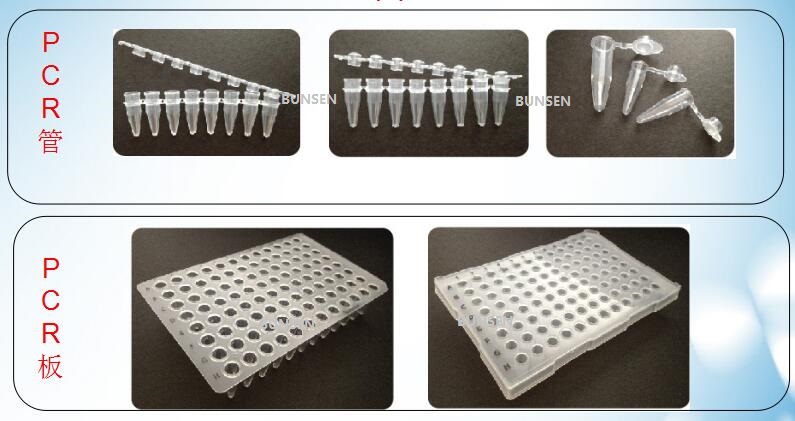
Specific uses for different specifications
Specification Type Application
96-well plate Routine molecular experiments, medium-throughput specimen Screening; suitable for the vast majority of scenarios involving manual pipetting and standard PCR instruments
384-well plate High-throughput drug screening, large-scale gene sequencing and batch specimen testing, significantly reducing reagent consumption and shortening the experimental cycle
Transparent plates; suitable for qPCR instruments with bottom-illuminated detection and conventional PCR amplification, facilitating visual inspection of the reaction mixture’s condition and sample loading
A qPCR instrument with a white plate and top-side light source detection, which improves the signal-to-noise ratio through a fluorescence reflectance of >90 per cent, significantly enhancing the detection of low-concentration targets sensitivity
full-skirted plate High-throughput processes utilising automated workstations and robotic arms, compliant with ANSI/SBS standards, to prevent board displacement and deformation
Application scenarios across all sectors
Basic research: Widely used in fundamental molecular biology research, including gene cloning, nucleic acid sequence analysis, gene mutation detection and genotyping; it serves as a consumable for gene editing and expression regulation experiments.
Medical Diagnostics: Conducts tests such as pathogen detection nucleic acid, human genetic polymorphism analysis and genetic disease screening, providing data support for the diagnosis of infectious diseases and personalised medicine.
Forensic analysis: DNA amplification of trace biological samples specimen collected from the scene is carried out to assist in forensic investigations such as individual identification and paternity testing.
Extended and Additional Uses
In addition to PCR reactions, the polypropylene material, which is suitable for a wide temperature range of –86 °C to 100 °C PCR plate, can also be used directly for nucleic acid specimen long-term storage at ultra-low temperatures, enzyme activity analysis, and micro-volume serum specimen batch aliquot experiments, enabling the entire ‘sample addition–amplification–storage’ process without the need for plate transfer, thereby reducing specimen loss and the risk of contamination.
Note: The above is for reference only and does not constitute actual data; experiments must be carried out in strict accordance with the instructions or in consultation with a technical instructor.
Note: The information on the scientific research products above is for reference only!
Related BUNSEN products
Browse the full product range, or request a sample or quotation.
Leave a Reply