Category: Tech Guide

  • The use and selection of PCR plates and sealing film

    PCR plate Key Considerations for Selection

    PCR plate serves as the medium for thermal cycling in molecular experiments; the choice of model directly determines the efficiency of heat transfer and the outcome of the experiment reproducibility.

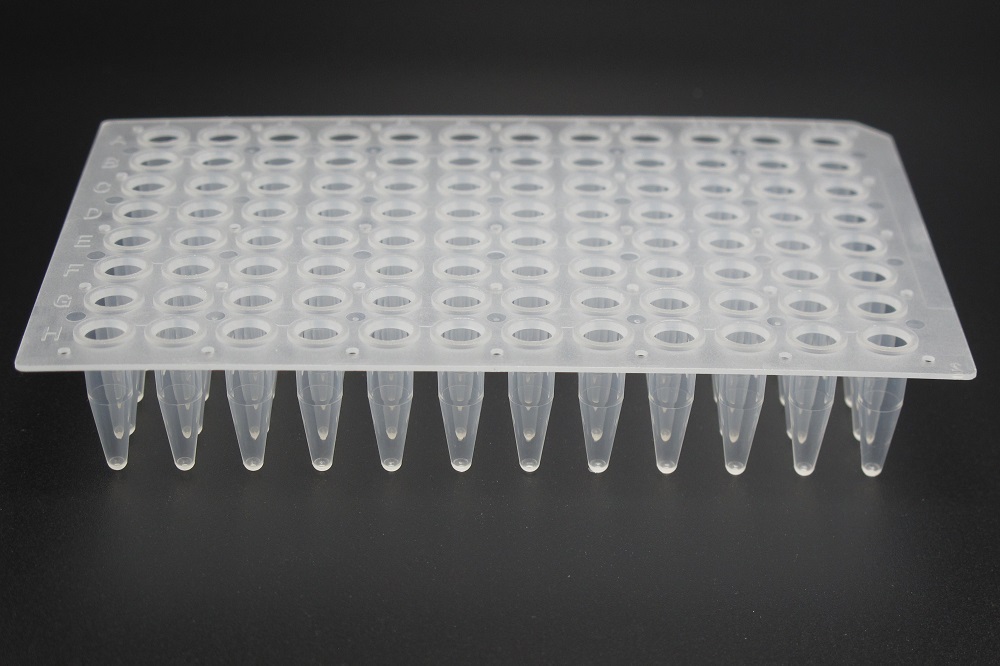
    Well type compatibility: non-skirted plate Compatible with metal wells in traditional PCR instruments; semi-skirted plate Compatible with the vast majority of qPCR instruments and automated workstations; full-skirted plate With a tab, suitable for high-throughput robotic handling to prevent well misalignment.

    Material and well type selection: Medical-grade polypropylene (PP) is the preferred choice; the thin-walled design ensures uniform heat conduction, with a thermal cycling speed 30 per cent faster than that of thick-walled plates; for routine experiments, select 96-well plate; for ultra-high-throughput screening, select 384-well plate; well volumes of 0.1 mL or 0.2 mL must be compatible with the instrument’s thermal module.

    Biosafety requirements: It must be confirmed that the plates are labelled as ‘DNase/RNase-free’, ‘pyrogen-free’ and ‘endotoxin’, to avoid false positives or CT value drift in qPCR caused by exogenous nucleic acid contamination.
    The use and selection of PCR plates and sealing film

    sealing film Selection logic

    The purpose of sealing film is to prevent evaporation and contamination; it must be matched to the type of experiment and the PCR plate parameter.

    Test Scenarios Recommendations sealing film Type Performance Requirements

    Standard PCR: Polypropylene (PP) adhesive sealing film / aluminium foil heat-seal film; temperature resistance: -40°C to 120°C; excellent sealing performance; withstands high-temperature cycling at 95°C

    High-transmittance, pressure-sensitive films for quantitative fluorescent qPCR: light transmittance >90 per cent, low autofluorescence, and no interference with fluorescence signal detection

    Long-term -80°C specimen storage Thickened adhesive sealing film with extremely low water vapour permeability; does not become brittle or delaminate at low temperatures

    High-throughput automated workstation; custom heat-seal film with a thickness tolerance of ≤±0.02 mm, suitable for use with fully automatic board sealing machines

    PCR experiments involving cell culture: Breathable sealing film Allows gas exchange whilst preventing liquid spillage and cross-contamination

    The Complete Process for Standardised Sealing Operations

    Following standard operating procedures is key to ensuring an effective seal and avoiding experimental failure; the following steps must be strictly adhered to throughout the process:

    Preparation: Disinfect the workbench with UV light for 30 minutes; wear powder-free gloves; immediately reseal the bag after removing a single sheet of film to ensure that the remaining consumables DNase/RNase-free remain free from contamination.

    Application: Gently peel off the backing along the tangent, align one end of the adhesive side with the edge marked PCR plate, and gradually smooth it onto the surface at a 30° angle, taking care not to touch the adhesive layer at any point to prevent air bubbles or creases from forming.

    Even lamination: Using a specialised laminating board or a card with smooth edges, press down twice horizontally and twice vertically, paying particular attention to the edges of the board and the gaps between the holes. Apply firm but not excessive pressure to prevent liquid from spilling out of the holes.

    Final quality control: Visually inspect each aperture to ensure there are no gaps around the edges and that the membrane surface is flat and free of creases; after sealing the membrane, leave it to stand for 10 minutes to allow the adhesive bond to strengthen fully, then centrifuge briefly at 500×g centrifugation for 1 minute to remove any air bubbles from the apertures before running the machine.

    Points to note for adaptation and avoiding pitfalls

    Under no circumstances should ordinary plastic cling film be used as a substitute for the specialised sealing film, as its temperature resistance and sealing properties do not meet the required standards. During thermal cycling, significant evaporation of the liquid will occur, leading to changes in the concentration of specimen and severe deviations in the CT value.

    Under no circumstances should opaque aluminium foil be used in qPCR experiments, as it will block the light path, preventing the instrument from detecting the fluorescent signal and resulting in the loss of experimental data.

    Where possible, use sealing film from the same brand as PCR plate. As there are tolerances in the hole spacing and flange dimensions of panels from different brands, using third-party, non-compatible films is highly likely to result in issues such as unsealed edges and localised curling.

    sealing film This is a single-use consumable; reuse is strictly prohibited. Re-adhesion will result in a significant reduction in bonding strength, which will compromise the seal and make the product highly susceptible to leakage during high-temperature cycling.

    If, following the thermal cycling test, the sealing film is found to be blistered or to show localised delamination, this indicates that the temperature resistance of that batch of film does not meet the required standards. It must be replaced immediately with a compliant product to avoid systematic errors in subsequent experiments.


    Note: The information on the scientific research products above is for reference only!


  • Applications, performance and characteristics of the 96-well round-bottom deep well plate

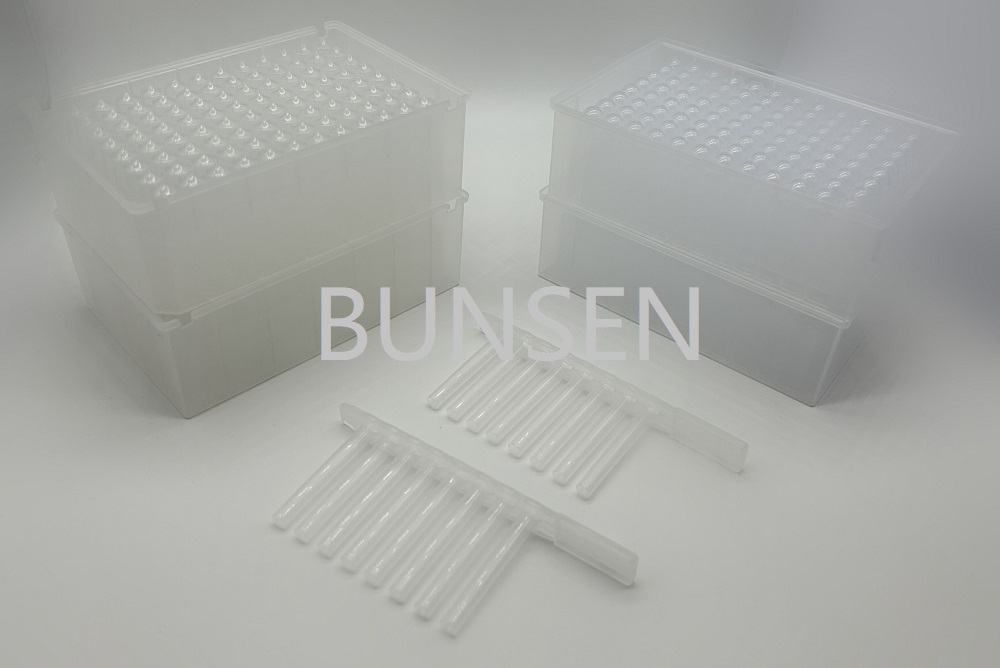
    The BUNSEN BUNSEN 96-well round-bottom deep well plate is a specialist laboratory consumable designed for high-throughput experiments. Its key advantage lies in the combination of a round-bottom design and a large-volume structure, which ensures both efficient sample processing and experimental stability.

    Purpose

    High-throughput specimen storage ‌: Can replace standard 1.5 mL tubes centrifuge tube, allowing for the neat storage of samples such as DNA, RNA, protein substances and compounds, thereby significantly saving storage space in -80°C freezers and facilitating specimen batch management of collections.

    Molecular biology experiments: These are core consumables for experiments such as automated magnetic bead-based nucleic acid extraction, plasmid extraction, NGS library preparation and immunoprecipitation, supporting high-throughput operations throughout the entire process—from lysis to washing and elution.

    Drug R&D Screening: Used for the storage, dilution and dispensing of compound libraries, supporting experiments such as high-throughput drug activity screening, siRNA library screening and hybridoma cell screening, thereby significantly improving screening efficiency.

    Sample preparation procedure: Working in conjunction with multi-channel pipettes or automated equipment, this system enables the batch processing of protein preparation steps—including precipitation, liquid–liquid extraction and solid-phase extraction. Following preparation, samples can be fed directly into a liquid chromatography autosampler, eliminating the need for tedious operations such as transferring samples between vials.

    Suspension cell and microbial culture: The round-bottomed design facilitates the growth of suspension cells, bacterial culture and subculturing; it ensures uniform mixing during shaking, thereby preventing dead zones residue.

    Applications, performance and characteristics of the 96-well round-bottom deep well plate

    Performance Features

    Exclusive round-bottom design: The U-shaped round-bottom structure promotes the efficient resuspension of sedimented cells or magnetic beads, ensuring uniform mixing during shaking and incubation, whilst eliminating the sharp corners found in V-bottom designs that are prone to residue liquid leakage; it is also compatible with the vast majority of pipette tips and automated liquid handling probe.

    Material and Resistance Properties: Manufactured from medical-grade polypropylene (PP), it is resistant to acids, alkalis, alcohols, DMSO and most other organic solvents. It can withstand prolonged exposure to temperatures ranging from -80℃ to storage, and is also suitable for high-temperature, high-pressure sterilisation at 121℃ sterilized.

    Compatible with high-throughput and automated systems: The entire plate can process 96 samples simultaneously; its dimensions strictly comply with the ANSI/SBS international standard, enabling seamless integration with liquid-handling workstations, robotic arms, multi-channel pipette guns and other equipment to achieve a fully automated experimental workflow.

    Biosafety assurance: Manufactured in a Class 100,000 cleanroom; third-party testing confirms the product is free from DNase, RNase, pyrogen-free, endotoxin-free; available in two versions—gamma-irradiated sterilized and non-irradiated sterilized—to meet sterile experimental requirements.

    Flexible sealing solutions: Supports a variety of sealing methods, including heat-sealable film (excellent airtightness, suitable for long-term cryopreservation), silicone gaskets (permeable for sampling) and specialised snap-on lids (convenient for repeated opening and closing), to suit different experimental scenarios.

    Excellent mechanical strength: it can withstand forces of 3,000–4,000 g centrifugation without breaking or deforming; the sheet is free from bubbles, streaks and liquid leakage, the wall thickness of the holes is uniform, and specimen the distribution is highly consistent.

    Note: The product information above is for reference only!

    BUNSEN BUNSEN offers a product range of over 10,000 items, which are widely used in research institutions, central laboratories and the field of molecular biology. The company’s extensive product range not only meets the specific requirements of R&D clients regarding product variety and packaging, but also caters to the comprehensive needs of manufacturing enterprises at every stage, from small-scale and pilot-scale trials through to large-scale production.


    Note: The information on the scientific research products above is for reference only!


  • Scientific applications of 15 ml centrifuge tube

    15ml centrifuge tube is a staple consumable in the fields of biopharmaceuticals, chemistry and scientific research. Thanks to its moderate capacity, high compatibility and safe, stable performance, it is suitable for the vast majority of routine experimental scenarios, ranging from cell culture to molecular testing.

    Applications in Cell Biology Experiments

    The 15 ml centrifuge tube is a frequently used consumable in cell-related procedures and is suitable for the vast majority of standard cell processing workflows:

    Collection and concentration of cell suspensions: After pancreatic enzyme digestion of adherent cells, centrifuge the suspension directly at a low speed of 1000–1500 rpm centrifugation, replace culture medium or resuspend the cells to avoid the risk of contamination from repeated aliquot use of 1.5 ml tubes.

    sterile System operation: DNase/RNase-free The pyrogen-free sterilized variant can be used directly in intermediate steps of cell passaging, primary cell isolation and immune cell culture, and is compatible with standard rotors for the vast majority of benchtop centrifugation machines.

    Mild specimen Protection: U-shaped base centrifugation Cell sediment at the back is distributed in a thin layer and is not excessively compacted by the pointed base structure, significantly reducing mechanical damage during resuspension and better maintaining cell viability.

    Scientific applications of 15 ml centrifuge tube

    General-purpose vectors for molecular biology experiments

    15ml centrifuge tube We undertake end-to-end processing for small and medium-sized specimen:

    protein Purification and processing: Following on from protein crude extraction and antibody purification, separation of the supernatant from immunoprecipitation, buffer elution and other steps; some ultrafiltration units with a 15 ml capacity centrifuge tube can also directly achieve protein rapid concentration by a factor of 25–50.

    enzyme Preparation of reaction mixtures: suitable for medium-scale PCR systems; enzyme preparation of premixes to facilitate reactions and brief incubation; the clear graduations on the tube body facilitate rapid volume adjustment.

    Biology specimen Application scenarios

    In testing and biological specimen library work, 15 ml centrifuge tube is the tool of choice for batch specimen pre-processing:

    specimen Separation: Directly performs the separation of plasma and blood cells from blood specimen, serum separation, and the precipitation of impurities in urine, cerebrospinal fluid and other fluids specimen, suitable for standard clinical centrifugation conditions of 3000–5000 x g centrifugation.

    specimen Short-term storage: PP material can withstand temperatures as low as -80°C; the markings on the walls of the frosted tubes will not become blurred or peel off even after repeated freeze-thaw, thus preventing specimen confusion.

    Multiple batches specimen aliquot : Batch aliquot culture medium, buffer, test reagents; the scale error on the tube body is controlled within ±2 per cent, enabling rapid quantification without the need for an additional measuring cylinder.

    Chemistry and general research support applications

    In addition to biology experiments, it also meets a wide range of basic requirements for standard chemistry experiments:

    Handling of corrosive reagents: High-purity PP material is resistant to corrosion by the vast majority of acids, alkalis and common organic solvents, and is used for the temporary storage, mixing and low-speed centrifugation purification of small to medium volumes of chemical reagents.

    General-purpose specimen centrifugation Centrifugation: Used for the precipitation of impurities in environmental water samples, the separation of layers in soil leachates, and phase separation following the extraction of small-molecule compounds; suitable for standard centrifugation centrifugation forces of 7500xg or higher.

    Universal compatibility with laboratory consumables: the standard outer diameter is compatible with rotors for almost all brands of benchtop centrifugation centrifuges, eliminating the need for additional adapters for specialised equipment and significantly reducing the cost of purchasing laboratory consumables.


    Note: The information on the scientific research products above is for reference only!

  • Different uses of 10ml round-bottom bottles with lids/screw caps conical-bottom centrifuge tube

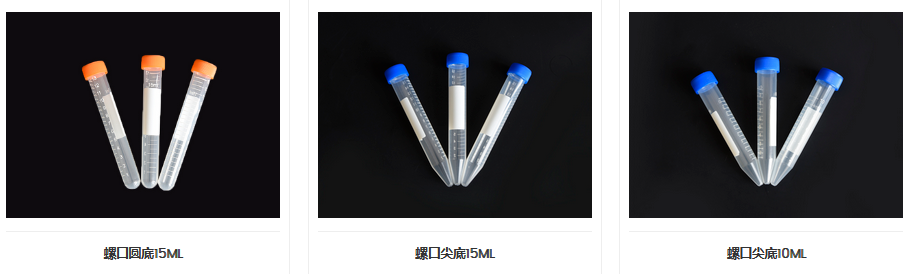
    The difference in application between the 10 ml round-bottomed flask with lid centrifuge tube and the screw-capped flask conical-bottom centrifuge tube is directly determined by the structure of the base and the tube cap design; each has its own specific area of application in experimental settings.

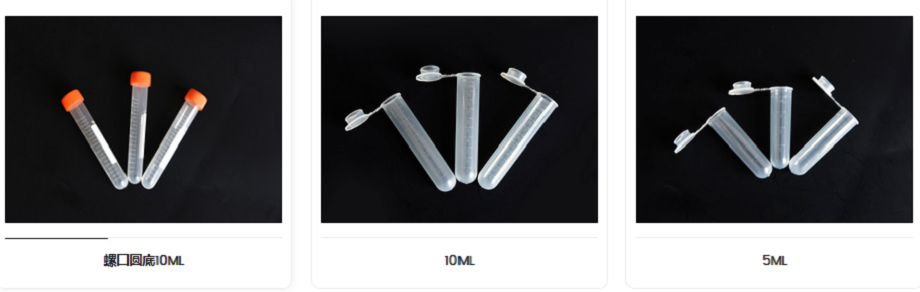
    Applications of the 10 ml round-bottomed bottle with lid centrifuge tube

    High Speed/Excessive Speed centrifugation Application: With a smooth, rounded base and uniform stress distribution, it can withstand higher centrifugation forces and is suitable for high-speed separation involving density gradients centrifugation and large volumes specimen, effectively minimising the risk of stress-induced cracking in the tube body.

    Large capacity specimen: With a wide base, it is suitable for bacterial culture media, large-volume reagents aliquot, mixing and routine centrifugation operations; solid particles are less likely to become lodged residue, making it easier to clean.

    High temperature sterilized and repeated use: Made from PP, it withstands high pressure at 121°C sterilized. The one-piece design, including the lid, ensures ease of use and is suitable for routine biochemical experiments, as well as the batch pre-treatment and temporary storage of environmental water samples.

    General-purpose specimen storage: Suitable for low-temperature environments down to -80°C; can be used for the short-term cryopreservation of standard biological samples specimen and reagents, and allows for routine storage without the need for additional sealing accessories.

    Different uses of 10ml round-bottom bottles with lids/screw caps conical-bottom centrifuge tube

    Applications of the 10 ml screw-top conical-bottom centrifuge tube

    Collection of trace precipitates: The conical, pointed-bottom design allows the precipitate formed after centrifugation to concentrate at the tip, significantly improving nucleic acid, protein, as well as the recovery rate of cell precipitates, making it particularly suitable for nucleic acid purification and protein precipitation experiments in molecular biology.

    Cell and micro-organism isolation: The tapered-bottom design facilitates the aspiration of supernatant by the pipette tip whilst minimising disturbance to cell/micro-organism pellets at the bottom, making it suitable for operations such as cell culture, micro-organism collection and specimen micro-organism isolation.

    Special high-seal experiment: The screw-cap design with a gasket provides a stronger seal, making it suitable for the extraction and purification of volatile reagents and samples, as well as for specimen transport scenarios requiring long-term sealing.

    Pipetting procedure: The pointed base facilitates insertion into a vacuum pump pipette tip, enabling the liquid within the tube to be drawn out; this makes it suitable for experiments in testing and micro-chemical analysis where high precision specimen recovery rate is required.


    Note: The information on the scientific research products above is for reference only!

  • Disposable culture dish – how do you choose? Material, specifications, sterilized method?

    When selecting disposable items culture dish, to ensure they are suitable for the experimental setting, choose the appropriate type based on three criteria—material, specifications and sterilized method—to strike a balance between experimental stability and value for money.

    Choice of materials

    Polystyrene (PS)‌: The preferred choice, offering high transparency and a smooth surface, which facilitates microscopic observation. Most have undergone TC hydrophilic modification, making them suitable for the vast majority of experimental scenarios, including adherent cell culture and routine microbial culture, whilst remaining reasonably priced. Please note that it is not resistant to organic solvents such as ethanol and acetone, nor can it withstand high temperatures and pressures sterilized on its own.

    Polypropylene (PP): Highly resistant to chemical corrosion; withstands high pressure at 121°C sterilized; offers good toughness and is not easily broken; suitable for contact with organic solvents, experiments requiring high-temperature or low-temperature storage conditions, and suspension cell culture. A disadvantage is its relatively low transparency, making it unsuitable for detailed observation under high-magnification objectives.

    Special materials: Polycarbonate (PC) offers high toughness and transparency, and is frequently used in specialised optical experiments; cycloolefin copolymer (COC) has low protein adsorption and high light transmittance, making it suitable for high-resolution sensitivity detection scenarios such as fluorescence imaging; as these materials are relatively expensive, they should be selected as required.

    Disposable culture dish – how do you choose? Material, specifications, sterilized method?

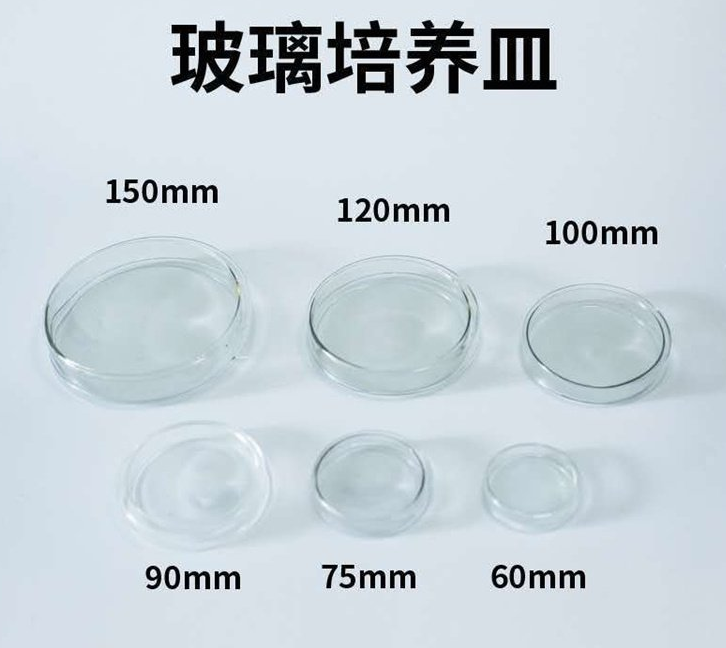
    Standard round sizes are commonly used in laboratories and can be selected to suit the scale of the experiment:

    Diameter Specifications Base Area Recommended Working Volume Typical Applications

    35 mm ~8 cm² 2–3 mL Small-scale cell observation, monoclonal screening

    60 mm ~21 cm² 4–6 mL Routine cell passaging, preliminary drug screening

    90 mm Standard model 15–20 mL For microbial colony counting and environmental settleable bacteria testing

    100 mm ~55 cm² 10–15 mL Large-scale cell expansion, virus culture

    150 mm ~145 cm² 25–30 mL High-throughput culture, large-scale strain expansion

    In addition, there are multi-well plates (6-well, 12-well, 24-well and 96-well) and special formats such as the square culture dish, which are suitable for applications such as high-throughput drug screening and high-density stacking.

    sterilized Selection of method

    Gamma rays sterilized ‌: Suitable for the vast majority of plastic materials, such as PS and PP, sterilized it delivers consistent results, effectively eradicates all types of microorganisms, contains no harmful substances residue, and does not damage culture dish the material; this type of product is the preferred choice for cell culture applications.

    Ethylene oxide sterilized: Suitable for special temperature-sensitive materials; sterilized delivers reliable results, but it is necessary to confirm that the ethylene oxide residue content of the product complies with national standards to prevent residue substances from affecting cell or microbial growth.

    A compliant single-use culture dish SAL (sterility assurance level) (SAL) must be 10⁻⁶, i.e. a contamination probability of one in a million; products used for cell culture must also meet the additional requirements set out in DNase-free, RNase-free and pyrogen-free to avoid interfering with experimental results.

    Note: The product information above is for reference only!

    BUNSEN BUNSEN offers a product range of over 10,000 items, which are widely used in research institutions, central laboratories and the field of molecular biology. The company’s extensive product range not only meets the specific requirements of R&D clients regarding product variety and packaging, but also caters to the comprehensive needs of manufacturing enterprises at every stage, from small-scale and pilot-scale trials through to large-scale production.


    Note: The information on the scientific research products above is for reference only!

  • BUNSEN An explanation of PET, PETG and HDPE reagent bottle ?

    PETG square reagent bottle

    Feature 1: High transparency

    PETG is a highly transparent plastic with a translucent ice-blue undertone that is in line with global trends, and its surface is exceptionally smooth. It boasts excellent optical properties, a high-gloss surface and low turbidity; its light transmittance is close to 90 per cent, which is very similar to that of acrylic (PMMA) and superior to that of polycarbonate (PC).

    Feature 2: High impact resistance

    BUNSEN An explanation of PET, PETG and HDPE reagent bottle ?

    Feature 3: An environmentally friendly material that withstands low temperatures

    The physical and mechanical properties of PETG remain virtually unchanged at low temperatures, and it is one of the few environmentally friendly plastic materials available to date. It is considered an environmentally friendly material because, when burnt, it produces only CO₂ and water, thereby helping to protect the natural environment; furthermore, containers made from it are non-cytotoxic and pyrogen-free.

    Feature 4: Top-of-the-range straw model

    Highly adaptable transfer caps, standard Luer connectors and TPE thermoplastic tubing, all produced using single-piece injection moulding, provide sterile transfer solutions for the pharmaceutical, biotechnology and laboratory sectors, enabling the sealed transfer of liquids.

    BUNSEN An explanation of PET, PETG and HDPE reagent bottle ?

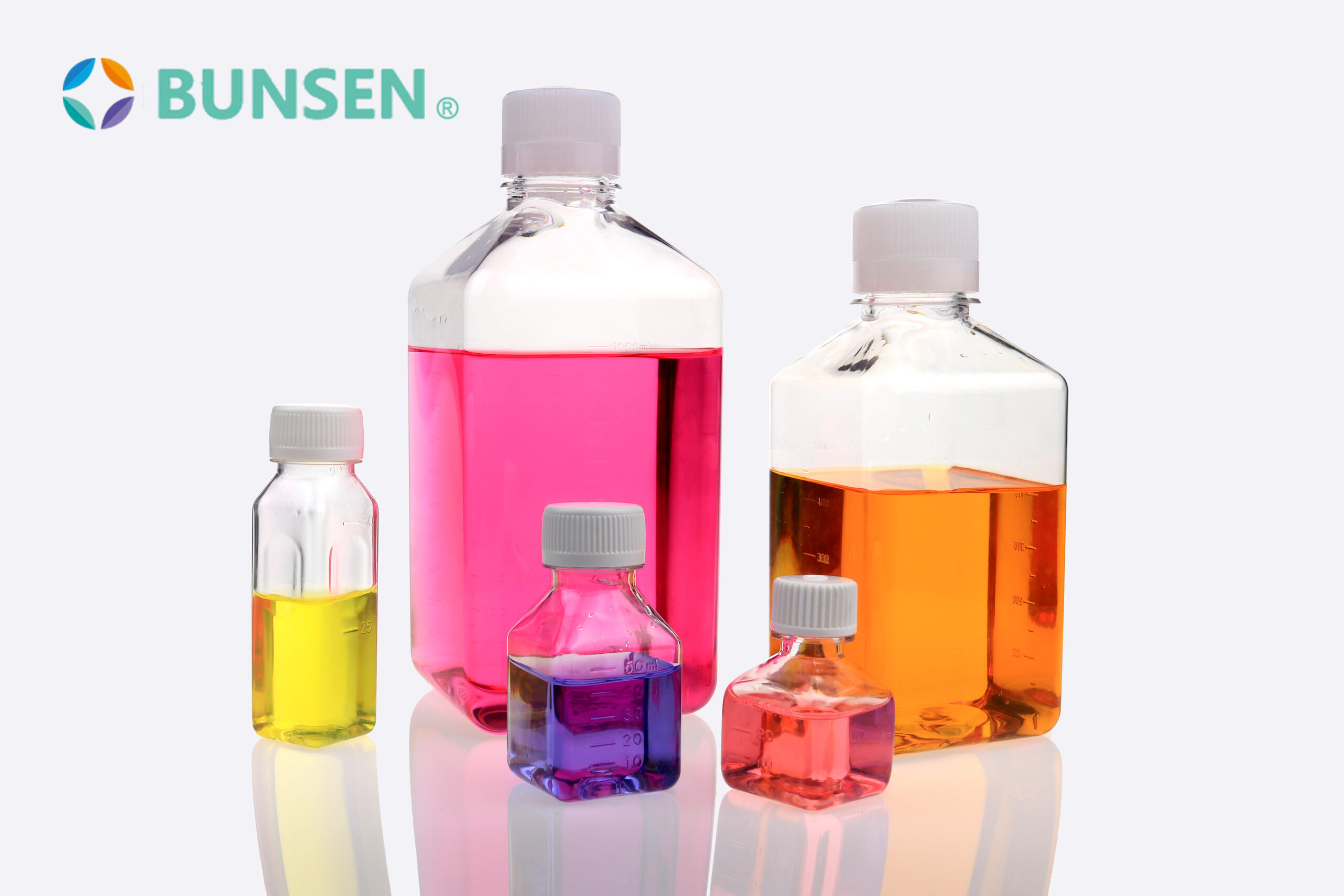
    PET square reagent bottle

    In fact, PETG is a type of PET; both are classified as ‘No. 1’ in the plastic classification system. Compared with PET, PETG simply replaces the hydroxyl group on the ethylene glycol chain with CHDM.

    BUNSEN An explanation of PET, PETG and HDPE reagent bottle ?

    Consequently, both share very similar material advantages:

    1. It has excellent mechanical properties, with an impact strength 3 to 5 times that of other films, and good resistance to creasing.

    2. Resistant to oils, fats, dilute acids, dilute alkalis and most solvents.

    3. It can be used within a temperature range of 55–60 °C; it can withstand temperatures of up to 65 °C for short periods and temperatures as low as –70 °C, and its mechanical properties are only minimally affected by high or low temperatures.

    4. It has low permeability to gases and water vapour, whilst offering excellent resistance to gas, water, oil and odours.

    5. It is highly transparent, blocks UV rays and has a good gloss.

    6. As the most affordable engineering plastic, PET offers excellent value for money.

    So what are the characteristics of HDPE reagent bottle?

    HDPE stands for high-density polyethylene

    1. As the polymerisation of ethylene is catalysed, very few branches are formed, resulting in a highly robust and dense structure that enables it to be used at 105 °C.

    2. High-density polyethylene resin is milky white in colour and has poor transparency.

    3. High-density polyethylene resin has good stiffness, tensile strength, mechanical strength and heat resistance; however, products made from it may only be used at temperatures not exceeding 80 °C.

    4. High-density polyethylene products also offer good electrical insulation, toughness and cold resistance, and can withstand low temperatures of down to –80 °C in cold storage.

    5. It has extremely low water absorption (no more than 0.03 per cent) and good chemical stability.

    Note: The product information above is for reference only!

    BUNSEN An explanation of: PET, PETG and HDPE reagent bottle ? BUNSEN The company’s product range now exceeds 10,000 items and is widely used in research institutions, central laboratories, molecular biology and other scientific fields. The company’s extensive product range not only meets the specific requirements of R&D clients regarding product variety and packaging, but also caters to the comprehensive needs of manufacturing enterprises at every stage, from small-scale and pilot-scale trials through to large-scale production.


    Note: The information on the scientific research products above is for reference only!


  • What can affect the shelf life of an ELISA kit?

    storage Conditional factors

    Temperature anomalies: Failure to store at 2–8 °C as required, resulting in freezing (≤0 °C) or prolonged exposure to high temperatures (≥30 °C), will directly lead to enzyme, antibody and other active protein to denature and lose their activity; the structure of pre-coated microplates may also be damaged, significantly shortening the shelf life.

    Repeated freeze-thaw ‌: kit within standard, enzyme complexes and other components, if subjected to repeated freeze-thaw, will result in the disruption of the protein spatial conformation and irreversible loss of activity, leading to a failure in performance well before the labelled expiry date.

    Excessive light and humidity: Prolonged exposure to direct sunlight or intense light may degrade the activity of fluorescent labels and TMB substrates; high humidity may cause the kit to become damp, compromise the integrity of the reagent seals, accelerate the deterioration of components and affect the validity of the quality assurance.

    Transport and operational factors

    Failure of the cold chain: During transport, ice packs may melt or the product may be exposed to high temperatures for prolonged periods; kit this can lead to a decline in potency before the stated expiry date, thereby falling outside the scope of the warranty.

    Improper handling after opening: Failure to store the product in a sealed container after opening, failure to use up the liquid reagent within one month, or continued use of the reagent after it has become cloudy, developed a precipitate or undergone abnormal colour changes will rapidly degrade the reagent’s performance, rendering it no longer compliant with the manufacturer’s quality assurance requirements.

    specimen Cross-contamination: During the experiment, specimen and consumables introduce exogenous contaminants, causing reagents to become contaminated or deteriorate; such issues arising from human error are not covered by the manufacturer’s warranty.

    Components and intrinsic properties

    Differences in component stability: enzyme Conjugates, biotin-labelled antibody and lyophilised standard components, amongst others, are inherently unstable and have shorter chemical half-lives; they are therefore more prone to loss of activity than other components and are key factors influencing the overall duration of quality assurance.

    Quality control deviations in batch production: Products that have not been subject to ISO 13485 system controls, lack complete batch Certificate of Analysis (COA) documentation kit, have inter-batch CV values exceeding the specified limits, and exhibit insufficient stability upon release; such products are also prone to performance fluctuations during their shelf life.


    Note: The information on the scientific research products above is for reference only!

  • Plastics for Scientific Research centrifuge tube 1.5ml/2ml/15ml/50ml, graduated

    Specifications and Basic Parameters

    This series of scientific-grade, graduated plastic centrifuge tube tubes are all made from medical-grade polypropylene (PP). The tubes are transparent and clear, with precisely printed graduations that are resistant to fading. They have a temperature resistance range of –80 °C to 121 °C and are suitable for a variety of experimental scenarios, including high-temperature, high-pressure sterilized and cryopreservation, making them essential general-purpose consumables for molecular biology and biochemistry experiments.

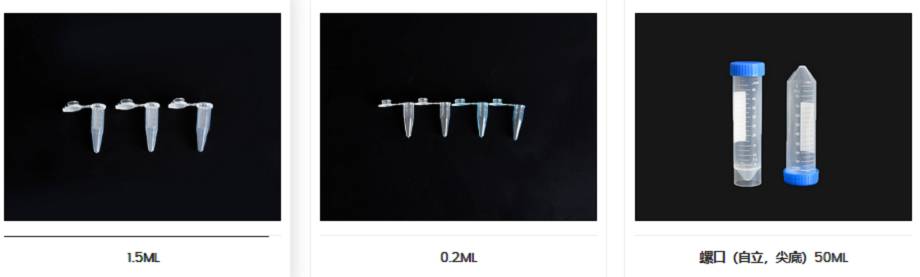
    1.5 ml/2 ml micro-volume version: features a pointed-bottom design with an integrated cap, compatible with standard micro-volume centrifugation rotor, suitable for applications such as extraction, micro-volume specimen and aliquot, and temporary storage of ELISA reagents

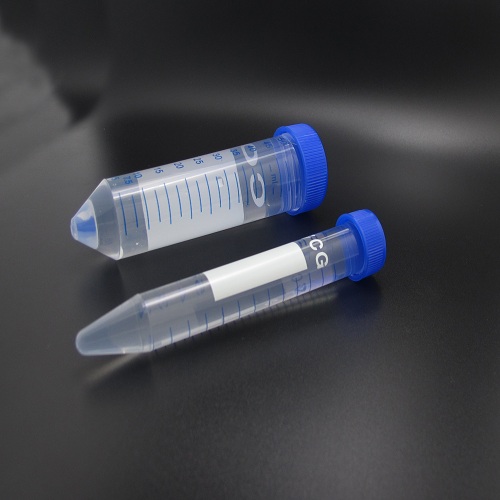
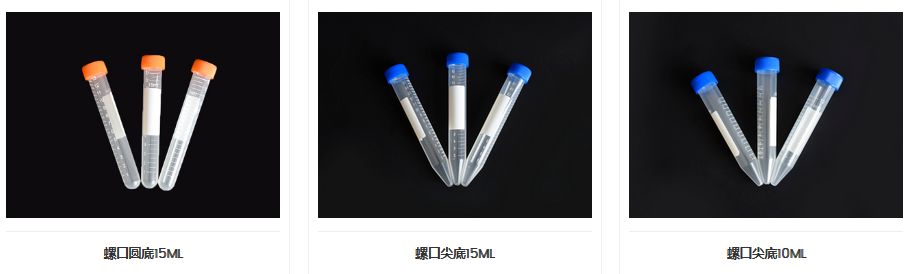
    15ml version: Screw-cap design with a pointed base, capable of withstanding forces of up to 12,000g centrifugation; the tube features clear graduations and a labelling area, is compatible with high-capacity centrifugation centrifuge rotors, and is suitable for medium-volume specimen centrifugation precipitates

    50ml version: Available with either a screw cap and pointed base or a flat base that stands upright; withstands forces of up to 9,500g centrifugation; the tube can be graduated up to 60ml, making it suitable for large-volume specimen enrichment, reagent preparation and cell suspensions centrifugation and similar applications

    BUNSEN BUNSEN centrifuge tube Category:

    Plastics for Scientific Research centrifuge tube 1.5ml/2ml/15ml/50ml, graduated
    Plastics for Scientific Research centrifuge tube 1.5ml/2ml/15ml/50ml, graduated
    Plastics for Scientific Research centrifuge tube 1.5ml/2ml/15ml/50ml, graduated

    Performance Advantages

    Safe and clean: The product has undergone electron beam sterilized treatment, strictly ensuring DNase-free, RNase-free and endotoxin-free contamination, and meeting the experimental requirements for sensitivity levels ranging from nucleic acid, protein and other sensitive specimen experimental requirements.

    Leak-proof seal: tube cap Features a double-threaded/spiral-grooved seal design, ensuring no liquid leakage during high-speed centrifugation or inverted operation, thereby preventing specimen cross-contamination and aerosol dispersion

    Corrosion-resistant and durable: Made from high-quality PP material, these tubes are resistant to acids and alkalis and are compatible with the vast majority of standard chemical reagents. The tube walls are of uniform thickness, ensuring they are unlikely to become brittle or deform during long-term storage at low temperatures.

    Compliance Certifications: All the brand’s products are certified to ISO 9001, ISO 13485 and the EU CE mark; some models also carry FDA food-contact certification, ensuring compliance for research applications.

    Key Points to Note When Using

    When filling with liquid, leave at least 10 per cent of the tube’s capacity free to prevent the liquid from spilling over at high speeds centrifugation, which could cause the rotor to become unbalanced.

    centrifugation Ensure the machine is carefully balanced beforehand; microcentrifuge tube the balancing error must be kept within 0.1 g to prevent centrifugation operational faults.

    Standard (non-cryopreservation grade) centrifuge tube Must not be placed directly at –80°C ultra-low temperature freezer for long-term storage, to prevent the tube from becoming brittle and leaking

    Give preference to the electron beam sterilized model to avoid issues such as tube deformation and blurred markings caused by high-pressure steam sterilized.

    Note: The product information above is for reference only!

    BUNSEN BUNSEN offers a product range of over 10,000 items, which are widely used in research institutions, central laboratories and the field of molecular biology. The company’s extensive product range is capable of meeting the specific requirements of R&D clients regarding product variety and packaging, whilst also fulfilling the comprehensive needs of manufacturing enterprises at every stage, from small-scale and pilot-scale trials through to large-scale production.


    Note: The information on the scientific research products above is for reference only!


  • What are the common issues in cell culture?

    Common issues encountered during cell culture primarily fall into three main categories: culture medium management, contamination control and abnormal cell growth. BUNSEN BUNSEN has compiled a list of these issues and the corresponding key points based on practical scenarios, as follows:

    culture medium Frequently Asked Questions

    Abnormalities caused by improper storage: Liquid culture medium—if not stored as required at 2–8 °C away from light, freezing may cause salt precipitation and abnormal osmotic pressure; prolonged exposure to air after opening may result in CO₂ release, causing culture medium to become alkaline and its colour to darken.

    Abnormal pH levels: A mismatch between the CO₂ incubator setpoint and the culture medium buffer system, as well as microbial contamination, can cause the pH to remain persistently below 6.8, thereby inhibiting cellular metabolism, or to rise above 7.6, thereby destroying enzyme viability, ultimately reducing cell viability.

    Degradation of key nutrients: Free L-glutamine degrades readily in solution; at 37 °C, the daily degradation rate can reach 10 per cent. The ammonia produced is toxic to cells and impairs their normal proliferation.

    Cell condition deteriorates after replacing culture medium: As the formulations of culture medium vary between manufacturers, it is more difficult to acclimatise passaged cell lines to a new medium; replacing culture medium directly in fragile, freshly thawed cells can lead to a sharp drop in viability.

    Frequently Asked Questions on Pollution

    Bacterial contamination: Outbreaks occur rapidly; within 1–2 days, culture medium becomes cloudy and develops an unpleasant odour. Under the microscope, regular spherical or rod-shaped motile particles are visible; these consume large amounts of nutrients and secrete toxins, leading to widespread cell death.

    Fungal contamination: In the early stages culture medium, it is difficult to detect; in the later stages, white or yellow, flocculent hyphae become visible to the naked eye. Spores can be transmitted through the air and are highly likely to spread and contaminate the entire laboratory.

    Mycoplasma contamination: Cannot be directly observed under a light microscope; culture medium the culture remains clear at all times, manifesting only as abnormal cell morphology and slowed proliferation. This is the most insidious type of contamination and can persistently compromise the reliability of experimental results.

    Misinterpretation of ‘black spot contamination’: Black spots observed under the microscope are not necessarily contamination; they may also be cellular metabolic by-products, cell debris, serum cold-induced precipitates or apoptotic bodies. A comprehensive assessment must be made in conjunction with the cells’ growth status to avoid mistakenly discarding normal cells.

    Frequently Asked Questions on Abnormal Cell Growth

    Improper subculturing techniques: Excessive digestion or excessive force when pipetting can cause significant mechanical damage to cells, resulting in a large amount of cell debris and a substantial reduction in cell viability in subsequent cultures.

    serum Batch-to-batch variation: There are fluctuations in the nutritional composition of different batches of serum; switching batches without first conducting a pilot test is likely to result in a precipitous decline in cell growth.

    Cell cross-contamination: When cells from different species or strains are cultured together, they cannot be accurately identified by morphological observation alone, which may lead to experimental results deviating from expectations; confirmation via STR analysis is therefore required.


    Note: The information on the scientific research products above is for reference only!

  • Elisa kit Summary of Research Questions

    Troubleshooting ELISA experiments hinges on controlling variables. Most ‘failures’ stem from variations in operational details. The following is a summary of common causes and solutions organised by problem type, to help you pinpoint the issue quickly.

    The calibration curve is poor (R² < 0.99)

    Standard curves form the basis of quantitative analysis; problems usually arise due to inaccurate gradients or uneven reactions.

    standard Dilution error: Insufficient dissolution or failure to mix thoroughly during ratio dilution. It is recommended to allow the solution to stand briefly centrifugation after dissolution, to use a new tip at each step, and to vortex thoroughly.

    Inaccurate dispensing: pipette Not calibrated, or inconsistent dispensing speed or angle. Ensure regular calibration and maintain a vertical, steady motion when dispensing.

    Fluctuations in incubation conditions: Failure to seal the plate may result in edge effects or temperature inconsistencies. Be sure to use sealing film and place it in a constant-temperature incubator (37°C ± 0.5°C).

    Excessively high background signal (high OD value)

    A high background level narrows the detection range, making it difficult to interpret weak positive results specimen.

    Incomplete cleaning: This is the most common cause. Ensure that each well is filled with cleaning solution, soak for 30 seconds to 2 minutes, pat dry, and repeat 3–5 times.

    Inadequate blocking: The blocking agent has failed to cover all non-specific binding sites. It is recommended to extend the blocking time (≥1 hour) or optimise the blocking solution (e.g. containing 5% skimmed milk powder + 0.1% Tween-20).

    Excessive colour development time: the substrate has reacted for too long. Control the reaction time; once the peak on the standard curve has developed fully, stop the reaction immediately.

    sensitivity Low, weak signal (low OD value)

    If the target substance is present but cannot be detected, this is usually due to a loss of activity or an insufficient reaction.

    Reagent inactivation or omission: enzyme Standard antibody or substrate repeatedly freeze-thaw failing, or omitted during the procedure. Reagents must be used by batch aliquot to avoid repeated use freeze-thaw, and the substrate must be strictly protected from light.

    specimen Degradation or the presence of inhibitors: specimen Repeated freeze-thaw leads to antigen degradation, or the presence of NaN₃ inhibits HRP enzyme activity. specimen Should aliquot be stored at –80 °C; the use of specimen or reagents containing NaN₃ is strictly prohibited.

    Insufficient incubation: the incubation period was too short or the temperature was too low. You may try extending the incubation time (e.g. overnight at 4 °C) or checking the temperature of the incubator.

    reproducibility Poor (high CV value for multiple holes)

    Variations in sample addition: Uneven addition rate or pipette tip loose fittings. It is recommended to use a calibrated pipette and to add samples from the same batch of specimen simultaneously to minimise time differences between wells.

    Inconsistent force when washing and drying: the force applied when drying by hand may be too strong or too light. The item should be patted dry vertically with moderate force to prevent the composite material from falling off or residue.

    Edge effect: Evaporation occurs more rapidly at the outer holes. Give priority to the central holes, or use sealing film sealing throughout.

    Key details to avoid pitfalls

    Beware of the ‘hook effect’: When the concentration of specimen is too high, it may actually lead to signal suppression (false negatives). If the result is abnormally low but the expected value is high, dilute specimen and retest.

    specimen Contraindications: haemolysis specimen (haem protein with peroxide-like enzyme activity), hyperlipidaemia specimen and samples containing NaN₃ specimen will all seriously interfere with the results.

    Consumables management: Any unused items (microplate) must be sealed with a desiccant to prevent moisture ingress; if crystals form in the concentrated washing solution, dissolve them in a 37°C water bath before use.


    Note: The information on the scientific research products above is for reference only!