Tag: 待审

  • PCR plate A Comprehensive Guide to Product Applications: Experimental Scenarios and Selection Guide

    PCR plate Product Application Guide

    PCR plate is a carrier material for enzyme chain reaction, providing a stable micro-reaction environment for DNA/RNA amplification reactions and covering a wide range of molecular biology applications, from basic research to clinical testing.

    Basic uses

    Reaction system components: As a dedicated container for PCR reactions, it holds primer, Taq enzyme, template nucleic acid, dNTPs buffer and all other components, whilst enabling the simultaneous amplification of multiple sets specimen through a standardised well layout.

    Temperature control optimisation: The uniform, thin-walled design ensures efficient heat conduction. In conjunction with the PCR instrument’s high- and low-temperature cycling programmes, this ensures uniform temperature distribution throughout the denaturation, annealing and extension stages, thereby preventing amplification variations between wells.

    Contamination Prevention and Sealing Assurance: When used in conjunction with sealing film / heat-seal film, this effectively prevents the evaporation of reaction solutions, specimen cross-contamination and the generation of aerosols, ensuring the reliability of results for low-abundance template detection.
    PCR plate A Comprehensive Guide to Product Applications: Experimental Scenarios and Selection Guide

    Specific uses for different specifications

    Specification Type Application

    96-well plate Routine molecular experiments, medium-throughput specimen Screening; suitable for the vast majority of scenarios involving manual pipetting and standard PCR instruments

    384-well plate High-throughput drug screening, large-scale gene sequencing and batch specimen testing, significantly reducing reagent consumption and shortening the experimental cycle

    Transparent plates; suitable for qPCR instruments with bottom-illuminated detection and conventional PCR amplification, facilitating visual inspection of the reaction mixture’s condition and sample loading

    A qPCR instrument with a white plate and top-side light source detection, which improves the signal-to-noise ratio through a fluorescence reflectance of >90 per cent, significantly enhancing the detection of low-concentration targets sensitivity

    full-skirted plate High-throughput processes utilising automated workstations and robotic arms, compliant with ANSI/SBS standards, to prevent board displacement and deformation

    Application scenarios across all sectors

    Basic research: Widely used in fundamental molecular biology research, including gene cloning, nucleic acid sequence analysis, gene mutation detection and genotyping; it serves as a consumable for gene editing and expression regulation experiments.

    Medical Diagnostics: Conducts tests such as pathogen detection nucleic acid, human genetic polymorphism analysis and genetic disease screening, providing data support for the diagnosis of infectious diseases and personalised medicine.

    Forensic analysis: DNA amplification of trace biological samples specimen collected from the scene is carried out to assist in forensic investigations such as individual identification and paternity testing.

    Extended and Additional Uses

    In addition to PCR reactions, the polypropylene material, which is suitable for a wide temperature range of –86 °C to 100 °C PCR plate, can also be used directly for nucleic acid specimen long-term storage at ultra-low temperatures, enzyme activity analysis, and micro-volume serum specimen batch aliquot experiments, enabling the entire ‘sample addition–amplification–storage’ process without the need for plate transfer, thereby reducing specimen loss and the risk of contamination.

    Note: The above is for reference only and does not constitute actual data; experiments must be carried out in strict accordance with the instructions or in consultation with a technical instructor.


    Note: The information on the scientific research products above is for reference only!

  • pipette FAQs: A Beginner’s Guide to Advanced Use

    Tags: pipette tip Manual pipette Electric pipette BUNSEN pipette

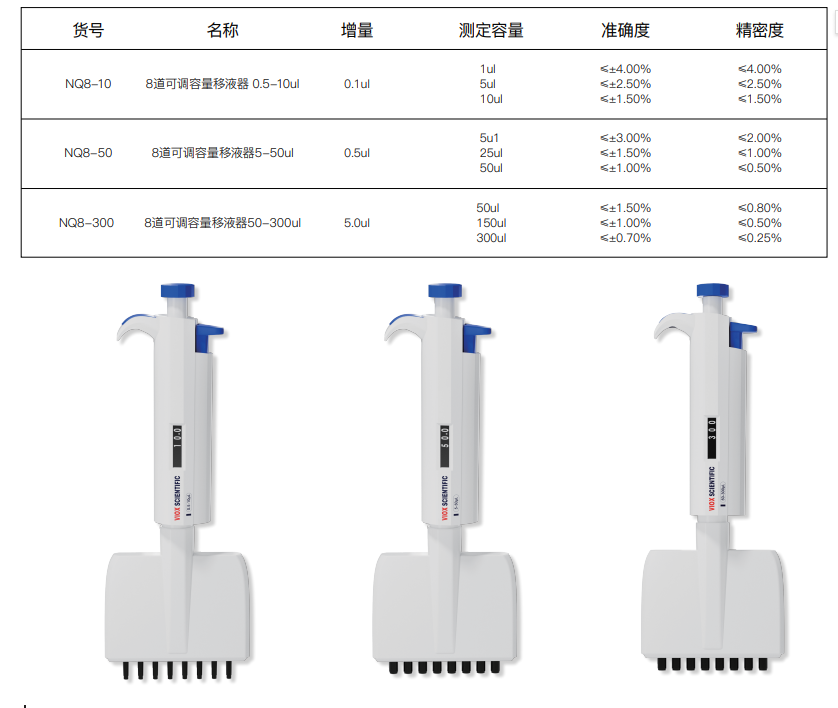
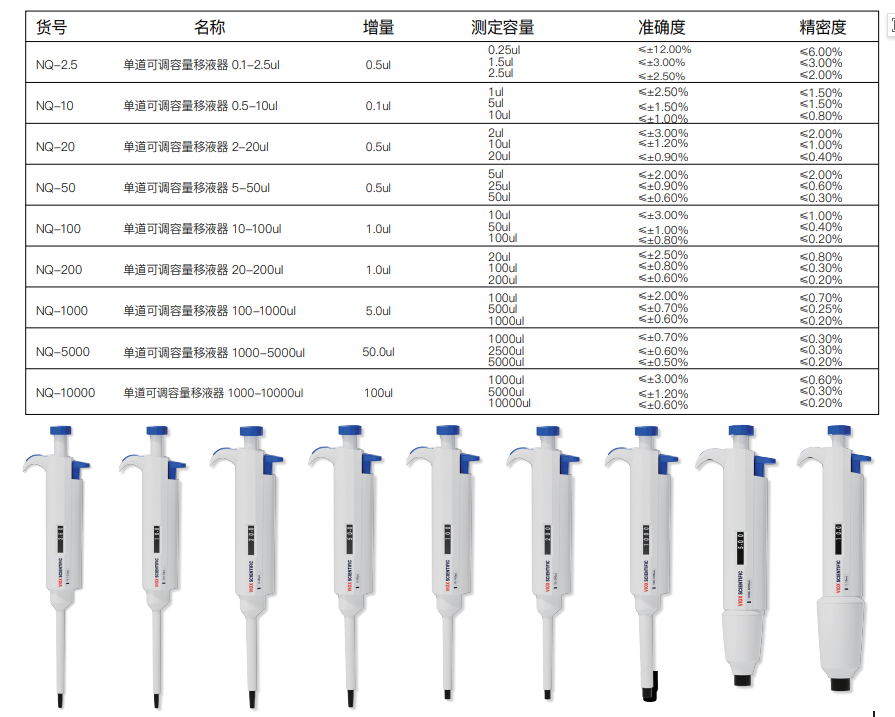
    pipette is a new type of laboratory instrument designed for dispensing small volumes of liquid; it is used in biochemical, molecular biological and biological experiments. pipette is a volumetric measuring instrument, available in two types: quantitative pipette and adjustable pipette. They are available in single-head and multi-head configurations. pipette There are two main types: manual pipette and electronic pipette.

    I. Standardising Practical Operations

    Suitable liquids: water, buffer solutions, diluents and aqueous solutions of strong acids and strong alkalis.

    1) Press the lever down and insert it vertically to the level marked in millimetres.

    2) Release the control button slowly; otherwise, if liquid enters pipette tip at excessive speed, it may be sucked back into pipette, reducing the internal suction volume.

    3) When the liquid is clinging to the sides of the container and at a certain angle, first press the button to the first setting; pause for 1 second, then, once the remaining liquid has pooled, press the button to the second setting to squeeze out all the remaining liquid.

    pipette FAQs: A Beginner’s Guide to Advanced Use
    pipette FAQs: A Beginner’s Guide to Advanced Use

    II. Transferring viscous or volatile liquids

    When pipetting viscous or volatile liquids, significant volume discrepancies can easily occur. To improve pipetting performance, the following methods are recommended:

    1) Before pipetting, pre-wet the interior of the pipette tip with liquid; that is, repeatedly aspirate and dispense the liquid several times to pre-wet the pipette tip. When aspirating or dispensing liquid, allow it to remain in the pipette for a few minutes. Particularly when handling large volumes of liquid (e.g. 1000–1), it is recommended to pre-wet the pipette tip before aspiration.

    2) Use the reverse pipetting method: when aspirating, press the control button to the second position and gradually release it; when dispensing, press the control button to the second position, leaving a small amount of liquid remaining in the pipette tip.

    III. Common Operational Errors

    1) When aspirating, pipette tilts, resulting in inaccurate pipetting (the pipette should be held vertically, and the liquid should be drawn up and dispensed slowly).

    2) When fitting pipette tip, excessive force was applied, resulting in pipette tip becoming impossible to remove (do not apply excessive force; select a pipette tip that is compatible with pipette).

    3) Place pipette containing residue of liquid pipette tip (pipette should be hung on the pipette rack).

    4) Use a pipette with a large number of chambers to remove small-volume samples (a pipette suitable for the measurement range should be selected).

    5) Immediately switch to the second suction setting (this should be carried out in accordance with the specified procedure).

    Note: The above is for reference only and does not constitute actual data; experiments must be carried out in strict accordance with the instructions or in consultation with a technical instructor.


    Note: The information on the scientific research products above is for reference only!

  • How to choose a suitable low-speed benchtop centrifugation machine for a laboratory

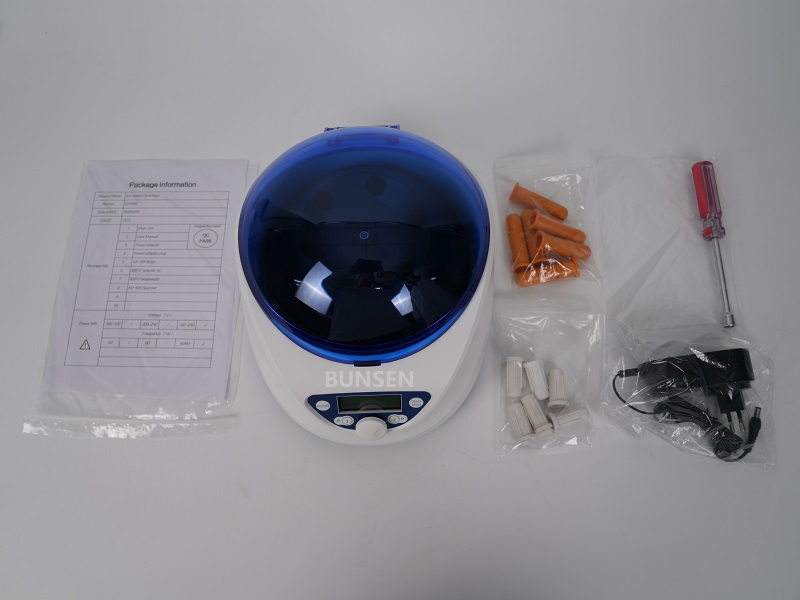
    How to choose a low-speed benchtop centrifugation machine suitable for a research laboratory

    When selecting a low-speed benchtop centrifugation machine for a research laboratory, focus primarily on the experimental context, prioritising suitability of specifications and long-term stability, and avoid the common pitfalls of focusing solely on low price or the highest rotational speed.

    Step 1: First, clarify the experimental requirements

    Let’s first outline the three common types of laboratory scenarios to narrow down the selection criteria straight away:

    Routine specimen Pre-treatment (serum Separation, urine sedimentation, standard solid–liquid separation): A standard low-speed benchtop centrifugation machine is sufficient; no additional cooling function is required.

    Live cell separation, heat-sensitive protein / enzyme specimen processing: it is essential to select a low-speed centrifugation freezer to avoid friction-generated heat during the centrifugation process, which could damage the viability of the samples.

    Batch specimen processing (e.g. 96-well plate, 50 mL centrifuge tube batches centrifugation): prioritise models that support large-volume horizontal rotors to minimise time lost due to batch processing.

    Step 2: Parameter matching

    These parameters directly determine the separation efficiency and the experiment reproducibility, and serve as the criteria for selecting the appropriate model:

    Prioritise the relative centrifugation force (RCF) rather than focusing solely on the maximum rotational speed‌

    The efficiency of separation is determined by the centrifugation force (in ×g), rather than simply by the rotational speed. At the same rotational speed, the actual centrifugation force generated by rotors of different radii may differ by a factor of more than two. Conventional cell harvesting requires 200–600×g, whilst standard solid–liquid separation can be adequately covered by 1000–3000×g. Models that support direct RCF setting should be prioritised, as this facilitates the transfer of experimental methods and the reproducibility of results.

    How to choose a suitable low-speed benchtop centrifugation machine for a laboratory

    Capacity and Rotor Compatibility‌

    Based on the laboratory’s maximum single-batch processing capacity of specimen, ensure that the rotor well positions are compatible with commonly used centrifuge tube sizes (15 mL/50 mL conical tubes, blood collection tubes, etc.) to avoid the problem of ‘purchasing a machine only to find it cannot accommodate standard consumables’. Prioritise a main unit that supports rotor replacement, allowing for subsequent expansion to include angle rotors and horizontal rotors as required, thereby catering to both rapid sedimentation and clear stratification requirements.

    Motor and Vibration Damping Performance‌

    You should definitely avoid models with brushed motors and prioritise brushless inverter motors, as these prevent carbon dust from contaminating samples and can reduce long-term maintenance costs by over 70 per cent. Also ensure that the equipment is fitted with a multi-layer vibration-damping structure, with noise levels below 60 dB during continuous operation and minimal vibration, to prevent the disruption of the specimen stratification caused by excessive vibration.

    Step 3: Verification of security and configuration details

    In research laboratories where equipment is used intensively and frequently over the long term, these configurations directly reduce experimental risks:

    Essential safety features must be included: unbalanced protection, overspeed protection and electronic door locks. It must also be ensured that the lid can be opened manually in the event of a power failure to prevent specimen from being accidentally trapped inside the chamber.

    Temperature rise control: For standard models, the temperature rise inside the chamber must not exceed 5 °C during 30 minutes of continuous operation; for refrigerated models, temperature control accuracy must be within ±1 °C to prevent temperature fluctuations from causing the inactivation of heat-sensitive samples.

    Ease of use: Give priority to models that support parameter presetting and digital displays, as these allow direct access to commonly used centrifugation programmes, thereby reducing human error caused by repetitive settings.

    Step 4: Assessment of long-term running costs and after-sales service

    Avoid low-priced models with reduced specifications: Some low-priced machines feature downgraded specifications in terms of rotor materials and drive systems, which can lead to rapid rotor wear and inconsistent separation results from batch to batch.

    Priority should be given to models with average annual operating and maintenance costs that are less than 8 per cent of the purchase price. It is essential to confirm that the supplier can provide a long-term supply of rotor spare parts and on-site maintenance services, in order to avoid prolonged downtime following equipment failure, which could disrupt the progress of experiments.

    Under the same specifications, reliable domestic models offer better value for money, costing 30–50 per cent less than imported equipment, whilst providing a faster after-sales response and meeting the precision requirements of routine scientific research experiments.


    Note: The information on the scientific research products above is for reference only!

  • Filtered Pipette Tips: Cross-Contamination Control

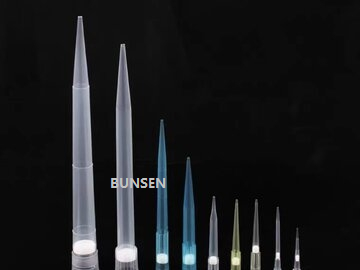
    BUNSEN pipette filter pipette tip are laboratory consumables specifically designed for experiments in molecular biology and other fields; their key advantages include protection against cross-contamination, DNase/RNase-free pyrogen-free, and a comprehensive range of sizes‌, making them compatible with the vast majority of brands’ single-channel and multi-channel pipette pipettes and automated pipetting workstations.

    What the filter actually does

    Featuring a built-in hydrophobic ultra-high molecular weight polyethylene filter cartridge, the uncoated design prevents contamination of specimen and effectively blocks the backflow of aerosols and droplets, thereby preventing cross-contamination between pipette and specimen at source.

    Produced entirely via automated processes in a Class 100,000 cleanroom; certified as DNase-free, RNase-free and free from endogenous pyrogens, meeting the stringent requirements of cleanliness for experimental scenarios such as qPCR and nucleic acid extraction.

    After packaging, the product undergoes irradiation pre-treatment sterilized, meaning it is ready for immediate use upon unpacking, thereby avoiding the risk of secondary contamination.

    Range and fit

    The product range covers volumes from 0.1 μL to 5,000 μL and is available in two versions: short and extended. The specifications are as follows:

    Catalogue details

    BS-10-S-L 10 μL extended-length, boxed filter pipette tip, DNase/RNase-free pyrogen-free sterilized 96 per box, 4,800 per case

    BS-20-S-L 20μL extended-length, boxed filter pipette tip, DNase/RNase-free pyrogen-free sterilized 96 per box, 4,800 per carton

    BS-200-S-L 200 μL extended-length, boxed filter pipette tip, DNase/RNase-free pyrogen-free sterilized 96 per box, 4,800 per case

    BS-1000-S-L 1000 μL extended-length, boxed filter pipette tip, DNase/RNase-free pyrogen-free sterilized 96 per box, 4,800 per case

    Note: We also supply bagged versions filter pipette tip with corresponding ranges to meet procurement requirements for different usage frequencies.

    BUNSEN pipette filter pipette tip: Cross-contamination prevention · DNase/RNase-free Pyrogen-free · Available in a range of sizes

    Material and handling benefits

    Manufactured from medical-grade virgin polypropylene (PP), the pipettes feature uniform walls free from impurities, ensuring consistent pipetting accuracy and excellent resistance to deformation.

    The extended design is more than 30 per cent longer than the standard pipette tip, allowing it to reach directly into the bottom of 96-well deep well plate and slender test tubes to draw up liquid, thereby preventing contamination caused by the hand coming into contact with the tube opening.

    low-binding The inner wall has undergone a special hydrophobic treatment, and viscous substances such as protein and nucleic acid specimen residue can be controlled to within 0.5 per cent, significantly enhancing the specimen of precious trace elements recovery rate.

    Where to use them

    Widely used in hospital laboratory PCR facilities, research institutes, third-party testing organisations, pharmaceutical manufacturers and other settings, it is suitable for a range of experimental procedures with high pipetting cleanliness requirements, including DNA/RNA purification, qPCR library preparation, cell culture medium transfer and environmental sample pre-treatment.


    Note: The information on the scientific research products above is for reference only!

  • Can PCR Tubes Be Reused? What Actually Happens

    Short answer: no, not in any experiment whose result you intend to rely on. PCR tubes are single-use consumables, and the three failure modes that appear on reuse — carry-over contamination, seal failure and loss of thermal contact — all produce the same outcome: a result you cannot trust and cannot easily troubleshoot.

    The longer answer is that reuse is technically possible in a narrow set of low-stakes qualitative situations, under a specific cleaning protocol. This page sets out both, so the decision is made with the mechanism in view rather than out of habit.

    Why reuse goes wrong: three separate mechanisms

    1. Amplicon carry-over

    A PCR reaction is designed to amplify vanishingly small numbers of copies, which makes it uniquely intolerant of residue. A tube that held a previous reaction can carry nanogram quantities of product on the wall and around the cap thread. That is enough to appear in the next run as a band, a signal, or a positive that should not be there — and it is the standard explanation when a no-template control amplifies.

    The problem is that you cannot see it, and once a laboratory has an amplicon contamination event, the remedy is not washing a tube. It is decontaminating surfaces, pipettes, racks and often the room.

    2. The seal stops being a seal

    Every cycle takes the cap through 95 °C. The cap and the tube rim are the parts that experience that heat while under mechanical load from the thermal cycler’s heated lid. After repeated cycles the fit between cap and rim loses precision, and the failure is gradual rather than dramatic: a small amount of liquid evaporates from each well.

    The consequence is not a leak you can see. It is a volume that no longer matches the other wells, a concentrated salt and primer mix, and an amplification efficiency that drifts. In qPCR the same loss shifts the baseline and the Cq value.

    3. Thermal contact degrades

    The ultra-thin wall of a PCR tube is what lets heat move quickly between the block and the reaction. Reuse deforms it slightly — enough that the tube no longer sits flush in the block. Localised contact differences become localised temperature differences, and temperature differences between wells show up as well-to-well variation. Published comparisons of reused tubes report Cq deviations beyond one cycle, which is more than most quantitative assays tolerate.

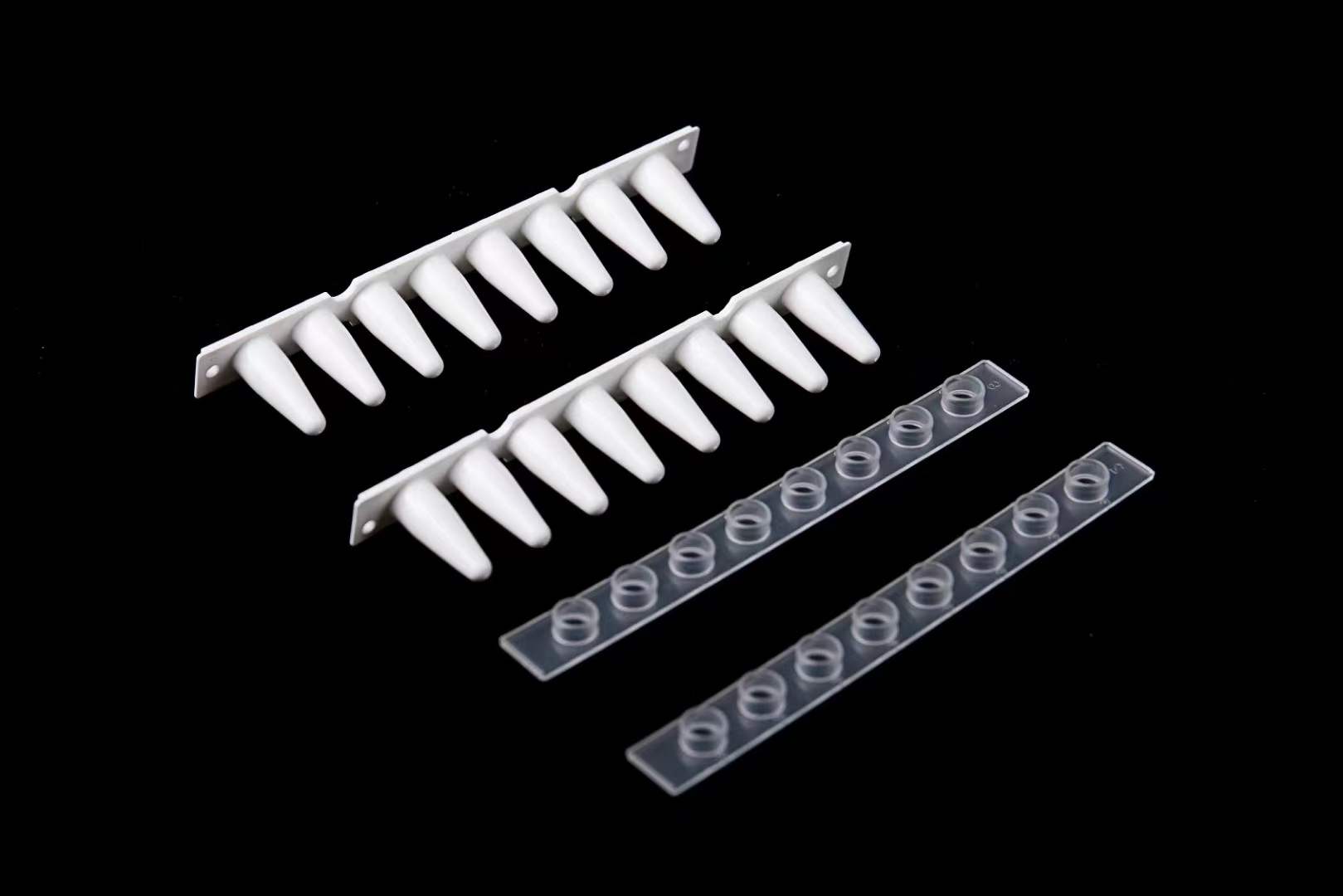
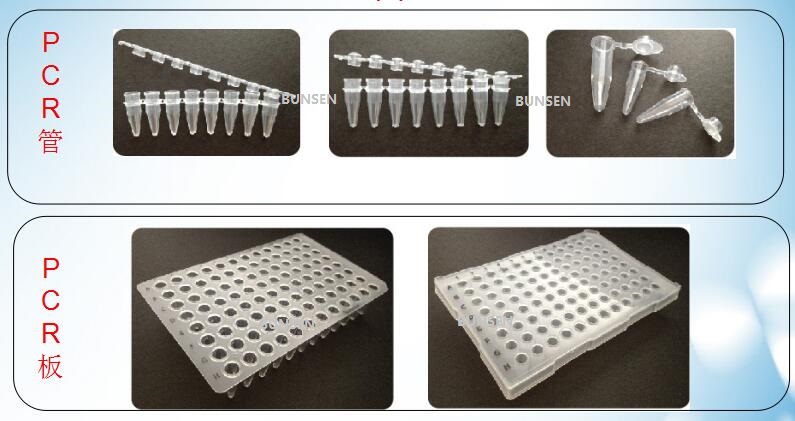
    Thin-walled PCR tubes in an 8-strip, showing the cap seal surface

    When limited reuse is defensible

    There is one narrow case: a rough qualitative check, with no high-value sample, where the answer only needs to be yes or no. Under those conditions a virgin medical-grade polypropylene tube can be cleaned and used once more — twice at the absolute limit — following a documented protocol:

    1. Rinse the tube three times with deionised water immediately after the run, before the residue dries.
    2. Soak overnight in 0.1 per cent DEPC solution to destroy nucleases.
    3. Autoclave at 121 °C for 30 minutes.
    4. Dry at 60 °C before use, and inspect for clouding or deformation. Discard anything that has changed shape.

    Note what this protocol cannot do: it will not remove amplicon from the cap thread reliably, and it does not restore the wall geometry. It reduces risk, it does not eliminate it.

    What must never be reused

    SituationWhy reuse is ruled out
    qPCR and any quantitative assayCq shift and well-to-well variation destroy comparability
    Clinical or diagnostic testingTraceability and validation requirements; a reused tube cannot be defended
    Low-copy template workCarry-over at that sensitivity is decisive
    Any run with a no-template control that must be cleanContamination shows up precisely where the control is judged
    Multiplex or sequencing library prepIndex cross-over is unrecoverable and often silent

    The arithmetic usually settles it

    Set the cost of one PCR tube against the cost of an amplicon contamination event: a repeat run, a wasted plate, a day of decontamination, and the risk that a result already reported was wrong. Even at the extreme, reuse saves a fraction of the consumable budget of a single experiment. The only situation where it makes financial sense is a teaching lab running non-critical demonstration reactions, and even there the habit is a bad one to teach.

    Reduce the need instead

    • Order the right format. Single tubes for small numbers of reactions, 8-strip and 96-well plates for batches; buying single tubes for a plate-scale experiment is what creates pressure to reuse.
    • Plan the master mix. Most “wasted” tubes are reactions set up and then not needed because the plate was not planned to fill.
    • Keep tubes out of the pre-PCR area once used. A used tube that returns to the clean bench is a contamination source regardless of whether it is reused.
    • Buy thin-walled tubes with a consistent wall thickness. Thermal contact depends on it, and a cheap tube with an uneven wall behaves like a reused one from the first cycle.

    Note: The information on the scientific research products above is for reference only!

  • Sterile Serological Pipettes, 1 mL to 50 mL, Individually Wrapped

    BUNSEN serological pipettes run from 1 mL to 50 mL, each one gamma sterilised and individually wrapped in paper-plastic film, so it can be opened inside a clean bench and used immediately. They are intended for cell culture and other work where both accuracy and sterility are part of the result.

    The range at a glance

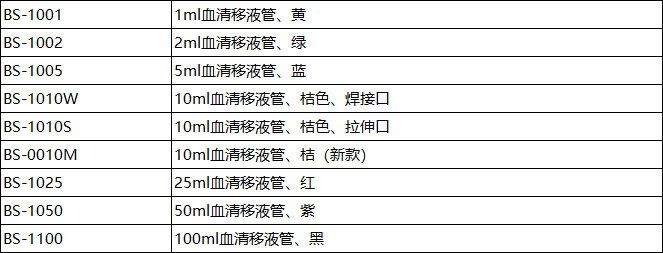
    Nominal volumeMoulding routeTypical use
    1 mLStretch-moulded bodySmall supplement additions, single-well work
    2 mLStretch-moulded bodyReagent addition to small flasks
    5 mLStretch-moulded bodyGeneral medium aliquoting
    10 mLStretch-moulded bodyStandard flask and tube filling
    25 mLUltrasonically welded tipLarger medium batches, viscous serum
    50 mLUltrasonically welded tipBulk dispensing, roller bottle work

    Every size is individually packaged and gamma irradiated. Nothing needs to be autoclaved before use, and nothing needs to be unwrapped outside the bench.

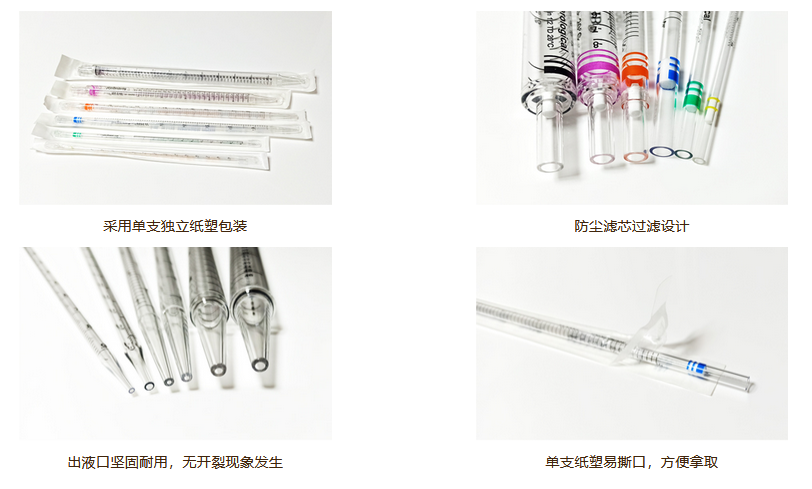
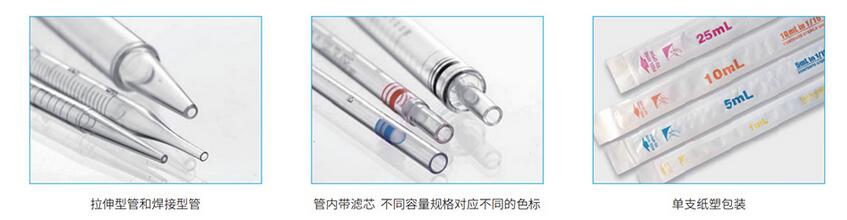
    BUNSEN sterile serological pipettes from 1 mL to 50 mL, individually wrapped

    What the accuracy figures mean

    The body carries bidirectional moulded graduations, so a volume can be read on the way up or on the way down, and the colour-coded band identifies the size at a glance across a crowded bench.

    Standard models are calibrated to within about ±2 per cent of the nominal volume. The high-precision, ink-free version holds the error to about ±1 per cent, and because there is no printed ink on the inside of the tube, there is no risk of pigment flaking into the medium — a real concern with older printed-scale pipettes used for sensitive culture work.

    Read the tolerance against the volume you are actually dispensing. Two per cent of 1 mL is 20 µL; two per cent of 50 mL is 1 mL. The relative error is the same, the absolute consequence is not.

    Two moulding routes, and why both exist

    Stretch-moulded bodies (1 to 10 mL). Formed in one piece so the inner and outer walls are smooth and free of seams. A smooth bore is what reduces liquid held on the wall after dispensing, which matters when the last few hundred microlitres of a serum addition are the expensive part.

    Ultrasonically welded tips (25 and 50 mL). At large volumes the draw force on the tip is high and the liquid is often viscous. An ultrasonically welded tip joint gives greater structural strength than a purely moulded taper, and keeps the tip concentric so dispensing a viscous serum or a dense cell suspension stays controllable.

    Sintered filter plug and universal end on a BUNSEN serological pipette

    The filter plug and the universal end

    Each pipette carries a sintered polyethylene plug near the top. Air passes through it; aerosols, fibres and liquid do not. That plug is what protects the pipettor, and protecting the pipettor is how a shared instrument stays usable for the next person.

    The top end is a universal design that fits the great majority of manual pumps and electric pipettors without an adapter. Before committing to a full case, fit one pipette to each pipettor in the lab and check two things: that it seats without force, and that it ejects cleanly.

    Cleanliness and safety claims

    • Produced on automated lines in a Class 100,000 cleanroom.
    • Free from DNase and RNase, pyrogen-free, and screened for endotoxin and cytotoxicity.
    • Suitable for primary cell culture and stem cell handling, where a trace of endotoxin or nuclease shows up as a failed experiment rather than a failed sterility test.

    Opening one aseptically

    1. Bring the unopened pipette into the bench and let it sit for a moment; the outer wrap is not sterile and does not belong above an open flask.
    2. Tear the paper-plastic wrap from the top end, keeping the tip inside the wrapper.
    3. Seat the pipette on the pipettor while it is still partly wrapped, then peel the rest away. The tip never touches the outside of the packaging.
    4. Never lay a loaded pipette down on the bench surface. If it must be set down, use a pipette stand or return it to the wrapper.

    FAQ

    Are these pipettes reusable?

    No. They are single-use sterile consumables. Washing and re-sterilising destroys the calibration and the plug, and there is no way to validate the result.

    Can the 50 mL pipette be used with a manual pump?

    Yes, provided the pump is rated for 50 mL. A pump sized for 25 mL will not hold the column steadily, and the draw will be uneven.

    Why choose individually wrapped over bulk?

    Because the wrap is the sterile barrier for the tip. Bulk-packed pipettes are cheaper per unit but cannot be opened inside a bench without exposing the tip to the outer packaging surface.


    Note: The information on the scientific research products above is for reference only!

  • Pasteur Pipettes vs Serological Pipettes: What Actually Differs

    The two are often stored in the same drawer and confused in the same sentence, but they are different instruments. A Pasteur pipette transfers liquid; a serological pipette measures it. That single difference decides which one belongs in a protocol, and using one in place of the other is the source of a surprising number of failed dilutions.

    The short answer

    A Pasteur pipette has no graduations. Volume is estimated by eye and experience, and the error on a transferred volume typically exceeds 30 per cent. A serological pipette (often sold as a “serum pipette”) carries moulded bidirectional graduations and is calibrated to within about ±1 to ±2 per cent, which makes it a measuring instrument rather than a transfer tool.

    Accuracy, plainly stated

    Pasteur pipetteSerological pipette
    GraduationsNoneMoulded, bidirectional, colour-coded by volume range
    Typical errorEstimated; over 30 per cent±1 to ±2 per cent as calibrated
    Fit for quantitative workNoYes, within its stated tolerance

    Note what “±1 to ±2 per cent” means in practice: at 10 mL, a 2 per cent error is 200 µL. That is acceptable for preparing buffer and unacceptable for a standard curve. Calibrated does not mean exact.

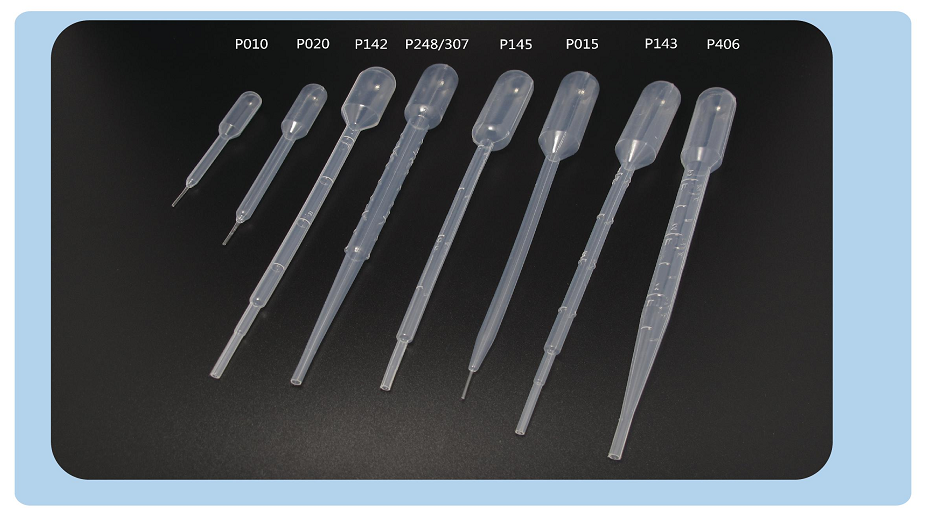
    Graduated serological pipette beside an ungraduated Pasteur pipette

    Construction and how the liquid moves

    Pasteur pipette. Blow-moulded in one piece from polyethylene, so the whole tube is flexible. You squeeze the bulb or the tube itself to create the vacuum, and the liquid follows. There is no separate bulb to lose and no filter plug at the tip. The design is cheap, robust and completely non-quantitative.

    Serological pipette. Made from rigid polystyrene (GPPS), which cannot be squeezed. It is used with a manual pipette pump or an electric pipettor, and the seal at the top is what makes aspiration controllable. Because the body is rigid and straight, the graduations can be moulded accurately along its length.

    Filter plug at the top of a sterile serological pipette

    The filter plug is not a minor detail

    Good serological pipettes carry a hydrophobic polyester or sintered polyethylene plug near the top. It passes air, blocks aerosols and stops liquid from reaching the pipettor. Without it, a single over-aspiration pulls medium into the pump body, and every subsequent use of that pump is a contamination risk. On a shared instrument used by six people, that is how a culture room gets an infection it cannot trace.

    Where each one belongs

    TaskCorrect toolWhy
    Removing spent medium before a washPasteurVolume is irrelevant; speed and reach matter
    Loading an agarose gelPasteur (fine tip)Needs a narrow tip and a steady squeeze, not a measurement
    Adding a few drops of reagentPasteurApproximate by design
    Aliquoting medium into flasksSerologicalEach flask needs the same volume
    Gradient dilution of a cell suspensionSerologicalThe dilution factor depends on an accurate transfer
    Dispensing serum or supplement into mediumSerologicalSmall volumes of expensive reagent, sterile handling

    Bulk versus individually wrapped

    Pasteur pipettes are usually supplied in bulk bags of 500, in 1 mL, 3 mL and 5 mL sizes, non-sterile by default. They are cheap enough to be treated as disposable transfer tools.

    Serological pipettes come individually wrapped and gamma sterilised when they are intended for cell work, in a range from 1 mL to 50 mL. The packaging is part of the product: an individually wrapped pipette can be opened inside a clean bench without the outer surface contaminating the tip.

    Two habits worth fixing

    • Using a Pasteur pipette to “measure” a small volume. The tip geometry makes drops inconsistent, and the error compounds across a dilution series.
    • Using a serological pipette to remove waste liquid. You pay for calibration and sterility on every unit, then use it as a spatula. Keep a bag of Pasteur pipettes next to the aspirator.

    Note: The information on the scientific research products above is for reference only!

  • Media Bottles: What to Check Before You Buy

    A media bottle fails in one of four ways: it leaks in transit, it contaminates the culture, it spoils the medium, or it breaks while someone is holding it. Each failure traces back to one decision made at purchase — material, cap, neck, or the certificate that came with the box. Here is what to check, in the order that matters.

    Material: choose it from the process, not the price

    The usual options cover different jobs, and no single resin is best at all of them.

    MaterialGood forWatch out for
    PETPrepared media, buffers, aqueous solutions; clear walls for visual inspectionPoor solvent resistance; deforms at autoclave temperatures
    PETGGeneral laboratory storage with better impact resistance than glassAlso single-use for practical purposes; not for autoclaving media inside
    HDPELong-term storage, opaque solutions, cheap bulk handlingTranslucent, so you cannot see the liquid; strong chemical resistance but weak optical check
    Borosilicate glassAutoclaving, heat-sensitive work, repeated useBreakage risk, weight, and cleaning validation if reused
    PolycarbonateReusable autoclavable bottles with high impact strengthAttacked by some solvents and by repeated alkaline cleaning

    Two checks decide between them. First, chemical compatibility with the actual solution — pH, salts and any organic solvent, not just “water-like”. Second, whether the bottle will be autoclaved: if yes, the polymer must be able to take 121 °C, and most transparent single-use resins cannot.

    For deep-freeze storage, check the manufacturer’s stated low-temperature limit rather than assuming. A bottle rated to −40 °C and a bottle rated to −80 °C look identical on a shelf.

    For clear media, reject any bottle that is visibly hazy, scratched or contains black specks. Light transmittance of roughly 90 per cent or better on a clean PET wall is the practical baseline for inspecting a culture by eye.

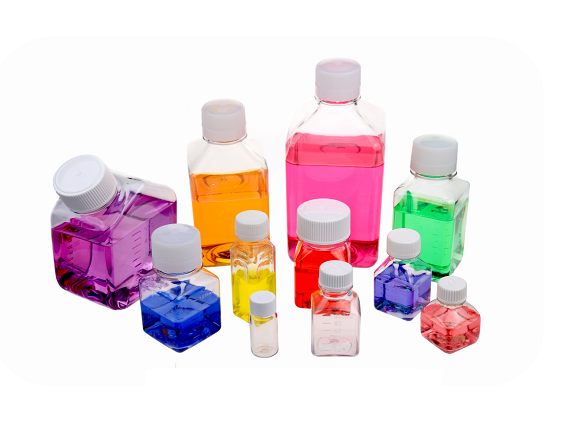
    Media bottle with vented cap for cell culture use

    The cap decides whether the culture breathes

    This is the most commonly mis-ordered part of a media bottle. A standard screw cap is leak-proof: it holds liquid and it holds gas, which means a culture inside it will consume the oxygen in the headspace and drift in pH as CO₂ accumulates.

    A vented cap carries a hydrophobic membrane, typically 0.22 µm, that passes gas but not organisms. That single component is what turns a storage bottle into a culture vessel, and it is what keeps the medium at the CO₂ level the incubator is trying to maintain.

    Cap typeUse it forDo not use it for
    Leak-proof screw capStorage, transport, freezing, aliquotsAnything that must exchange gas
    Vented cap, 0.22 µm hydrophobic membraneCell culture, media in the incubator, shaking culturesShipping or freezing — the membrane is not a liquid seal under pressure

    If a bottle is going to travel, ship it with a solid cap and swap to a vented cap at the point of use. Sending a vented bottle by courier is how media arrives leaking and how a whole consignment is written off.

    Neck and graduations: small details that decide daily usability

    • Wide neck admits a pipette, a serological pipette or a cell scraper without touching the wall. It is the practical choice where medium is aliquoted many times per week.
    • Narrow neck reduces the open area during handling and is easier to close aseptically, but it slows pipetting.
    • Graduations should be moulded, not printed. Printed scales wear off in an autoclave and, worse, flake into the medium.
    • Capacity range of 10 mL to 1000 mL covers most workflows; pick the smallest bottle that holds the batch so the headspace stays reasonable.

    Sterility and certification: read what is claimed

    Four claims appear on media bottle packaging and they are not interchangeable: sterile, DNase/RNase-free, pyrogen-free (endotoxin), and biocompatibility. Cell culture needs all four; plain buffer storage needs the first.

    • Sterilisation route. Gamma irradiation is the standard for single-use bottles because it leaves no ethylene oxide residue and requires no further handling. If the product is sterilised by ethylene oxide, ask for the residue declaration.
    • Endotoxin. Pyrogen-free matters for anything that touches cells or is injected downstream. A bottle that is sterile but not pyrogen-free can still ruin a primary culture.
    • Biocompatibility. ISO 10993 is the reference standard for material safety; if a supplier cannot name the part they comply with, treat the claim as marketing.

    Supplier checks before the first order

    CheckWhat a good answer looks like
    Cleanroom classA stated class (Class 100,000 / ISO 8 or better) for moulding and packing, not “clean workshop”
    Quality systemISO 9001 certificate with a current expiry date and a scope that covers labware
    Sterility documentationIrradiation dose and a certificate per lot, not a generic statement
    TraceabilityLot number on the carton that maps to a production record
    ConsistencySame mould, same resin, same cap across repeat orders — ask what changes between lots

    The five-minute pre-purchase checklist

    1. Does the material survive my sterilisation route and my storage temperature?
    2. Is the cap leak-proof or vented — and do I need both, on different bottles?
    3. Is the neck wide enough for the tool I actually use to fill it?
    4. Is the certification specific to the claim I need: sterile, pyrogen-free, DNase/RNase-free, biocompatible?
    5. Can the supplier show lot traceability and a cleanroom class in writing?

    Note: The information on the scientific research products above is for reference only!

  • Filtered and Low-Binding Pipette Tips: How to Choose

    Pipette tips look interchangeable and mostly are, right up to the moment a filter is needed, a low-copy sample is lost to the wall of a tube, or a tip fails to seal on the shaft. The four variants BUNSEN supplies — standard, filtered, low-binding, and filtered low-binding — exist because those three failures have different causes. This page sets out what each one does, so the choice comes down to the sample rather than the price list.

    What the four tip types actually do

    TypeWhat it addsTypical use
    StandardNothing beyond the moulded tip and rackGeneral reagent transfer, diluent make-up, non-critical work
    FilteredA hydrophobic barrier between sample and pipette shaftPCR and qPCR set-up, cell culture, infectious or hazardous samples
    Low-bindingA hydrophobic inner surface that resists protein and nucleic acid adhesionEnzymes, antibodies, DNA/RNA, low-copy templates, expensive reagents
    Filtered low-bindingBoth of the aboveLow-copy nucleic acid work where contamination and loss both matter

    Filter tips: what the barrier is and is not

    A filter tip carries a sintered plug of hydrophobic ultra-high molecular weight polyethylene (UHMWPE) seated above the liquid column. Aerosols and droplets travelling up the shaft hit the plug and stop; air still passes, so aspiration and dispensing feel unchanged. The plug has a uniform pore structure, which is what separates a working barrier from a decorative one — an uneven matrix leaks at the thin points.

    What the barrier does not do is make a non-sterile tip sterile. Filtering is about carrying contamination one way, from the sample into the pipette. Sterility is a separate claim, and both are separate again from DNase/RNase-free and pyrogen-free certification.

    When a filter tip is not optional

    • Any PCR or qPCR set-up. Amplification products from the previous reaction are the classic source of false positives, and they travel on aerosols.
    • Cell culture and sterile media handling, where a contaminated shaft ruins a flask rather than a tube.
    • Volatile, infectious or radioactive samples, where the concern is the operator and the pipette, not only the sample.
    • Shared instruments and multi-user benches, where the shaft itself is the weak link.

    Low-binding tips: where the sample actually goes

    In an untreated polypropylene tip, a fraction of a protein or nucleic acid solution stays on the inner wall after dispensing. The loss is invisible and, at 10 µL, it is a meaningful share of the volume — which is why low-copy work and enzyme master mixes are the two places people notice it.

    BUNSEN low-binding tips are surface treated so that residue is held to within about 0.5 per cent of the dispensed volume, a reduction of more than 90 per cent against conventional tips, with little measurable adhesion of DNA, RNA or protein to the wall. The treatment is on the inside only; the outside stays grippy enough for rack handling.

    ApplicationWhy low-binding helps
    Restriction digests, ligations, polymerase mixesEnzyme sticks to untreated walls; the next tube receives less than intended
    Low-copy template and standard curvesWall loss shifts the low end of the curve, which is exactly where it matters
    Antibody and protein standardsProtein adsorbs strongly to plain PP; concentrations drift downward over a series
    Costly reagentsRecovering the last microlitres from a high-value vial is a direct saving

    Fit and sealing: the part buyers underestimate

    A tip that does not seal leaks air, and a tip that seals too hard is worse: it fails to eject cleanly, then the user compensates by forcing it and the shaft takes the load. Two fit families cover most of the market — a universal taper that suits a wide range of shafts, and a light-touch style with a longer, narrower seal for low-force ejection.

    Two things decide whether a batch works on your instrument: the depth at which the tip seats, and the force needed to eject it. Both are measurable in less than a minute.

    A 30-second seal check before you commit to a batch

    1. Fit a tip, aspirate 200 µL of water, hold it vertically for 30 seconds. No meniscus drop means the seal holds.
    2. Dispense and watch for a residual film or a hanging droplet. A droplet means the surface is rejecting the liquid — acceptable for low-binding tips, a warning sign for standard ones.
    3. Eject. The tip should release with a single clean motion and no shaft flex.

    Sterility, certification and packaging

    Check what the certificate actually covers, because the four claims are separate: sterile, DNase/RNase-free, pyrogen-free (endotoxin), and cytotoxicity. For cell work, ask for all four. For PCR, DNase/RNase-free plus sterile is the practical minimum.

    • Sterilisation method: gamma irradiation leaves no ethylene oxide residue and needs no secondary handling; autoclaved tips in a rack are only as sterile as the rack.
    • Rack and refill format: refills cut plastic waste but only stay clean if the rack is washed and dried between fills; a wet rack contaminates the next stack.
    • Packaging: individually wrapped or rack-sealed is worth the premium only where the work is genuinely contamination-sensitive.

    Selection checklist

    QuestionIf yes
    Is the downstream step amplification?Filtered, plus DNase/RNase-free certified
    Is the sample enzyme, antibody or nucleic acid at low concentration?Low-binding
    Is the sample infectious, volatile or hazardous?Filtered, and consider a barrier tip with a tighter plug
    Is the tip used on more than one pipette model?Universal taper; test seal and ejection force on each model
    Does the protocol specify a volume below 20 µL?Check the tip’s stated minimum volume, not its maximum

    Common mistakes

    • Buying filter tips for sterility. Filtration stops aerosols; it does not sterilise. Buy both attributes if both are needed.
    • Using low-binding tips for everything. They cost more and, in some viscous reagents, hold a larger hanging drop than a standard tip.
    • Judging fit by brand name. Fit is about geometry. Test the batch on the instrument that will use it.
    • Reusing racks without drying. Residual moisture in a rack is a contamination route that no tip design can fix.

    Note: The information on the scientific research products above is for reference only!

  • Human IL-34 ELISA Kit: Specifications, Sample Types and FAQ

    The Human IL-34 ELISA kit is a double-antibody sandwich assay for quantitative detection of interleukin-34 in serum, plasma, tissue homogenates and cell culture supernatant. IL-34 signals through CSF-1R and is studied mainly in immune-inflammatory and tumour-related mechanisms, which is why most users need both a wide dynamic range and a low detection limit at the same time.

    Performance specifications

    ParameterValue
    Detection range23.5 – 1,600 pg/mL
    Limit of detection5.86 pg/mL
    Intra-assay CV< 8 %
    Inter-assay CV< 10 %
    Formats48T and 96T (96-well format: 80 sample wells plus 16 standard wells)
    Storage2–8 °C, protected from light; 6 months unopened; never freeze

    The range covers the great majority of physiological and pathological concentrations, and the 96-well format is built for throughput: 80 samples on one plate without splitting the run.

    Sample types

    • Body fluids: human serum, EDTA- or heparin-anticoagulated plasma, urine, pleural and ascitic fluid, cerebrospinal fluid.
    • Tissue: supernatant from tissue homogenised in pre-chilled PBS and centrifuged.
    • Cell work: cell culture supernatant and cell lysate supernatant.
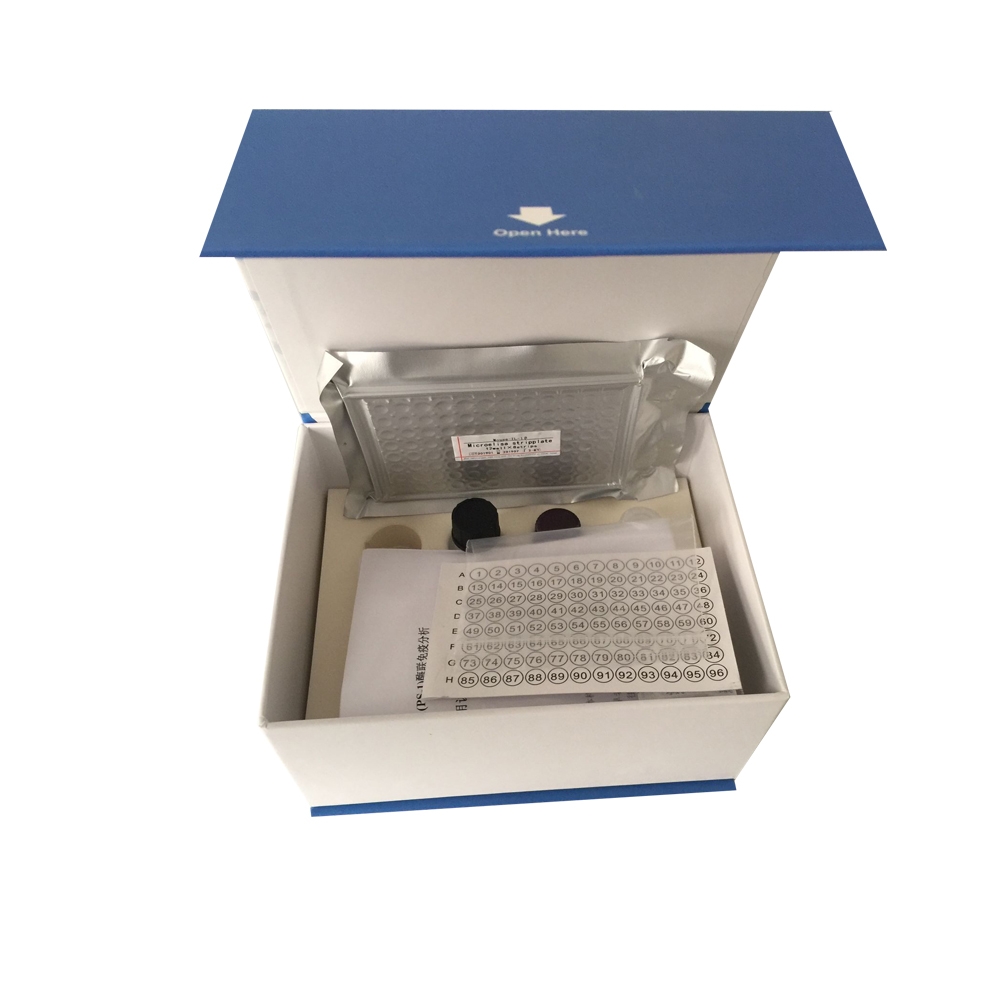
    Human IL-34 ELISA kit components and 96-well plate

    Handling samples before the assay

    Decide the storage route before you collect, not after. Whether the analyte survives your handling is a collection question, not an assay question.

    • Same-day assay: store at 4 °C.
    • Next-day assay: freeze at -20 °C; -70 °C is better where available.
    • Repeated freeze–thaw: avoid it. Aliquot at collection so each tube is thawed once.

    Questions we get most

    What should I look for in a plate reader?

    Reading speed, accuracy, reproducibility, measurable range and linearity. A good reader resolves to 0.001 with about ±1 % accuracy and 0.5 % reproducibility. Keep it out of direct sunlight, work at 15–30 °C room temperature, and preheat for 15–30 minutes before use — the last point is the one most often skipped, and it shows up as drift across a plate.

    How important is the washing step?

    It is not a reaction step, but it decides whether the run works. Washing is what separates bound from unbound enzyme label: it removes material that never bound to the solid phase, and interfering substances that adsorbed non-specifically during the reaction. Done carelessly, it produces high background and poor replicate agreement.

    How do I handle the different sample types?

    Serum, plasma, urine, pleural and ascitic fluid, cerebrospinal fluid and cell culture supernatant are all handled as liquids — clarify by centrifugation before assay and keep them cold while you work. Tissue has to be homogenised in pre-chilled PBS and centrifuged, and the supernatant is the sample.

    Do you offer a testing service?

    Yes. With a kit purchase, samples can be sent to us for testing at no charge: aliquot into EP tubes, label each by number, pack in a polystyrene box with dry ice and ice packs. The test report is issued within 7 working days of receipt and includes the instruction manual, the instrument models used, the data and the calibration curves.


    Note: The information on the scientific research products above is for reference only!