Author: BUNSEN

  • What can affect the shelf life of an ELISA kit?

    Every ELISA kit carries an expiry date, and almost every lab has a kit that failed well before that date. The printed date assumes the kit was stored, shipped and opened correctly. Break any one of those assumptions and the real shelf life is shorter than the box promises.

    Temperature is what kills fastest

    A kit held at 2–8 °C as specified is behaving. A kit that froze, or that sat at 30 °C for a weekend, is not — and it will not announce the fact. Enzymes, antibodies and other active proteins denature, the coated microplate structure can be damaged, and the loss shows up as a standard curve that develops weakly and never quite reaches the top standard.

    Repeated freeze-thaw cycles

    Standards, enzyme conjugates and other protein components lose activity every time they are frozen and thawed. The protein’s spatial conformation is disrupted, and the change is cumulative and irreversible — a kit can pass its expiry date on paper yet fail long before it, purely from handling.

    The fix is boring and effective: aliquot on first use, freeze the aliquots, and take out one single-use portion at a time.

    Light and humidity

    Prolonged exposure to direct sunlight or strong lighting degrades fluorescent labels and the TMB substrate. High humidity is a slower problem: it gets into the pouch through the seal, dampens the coated plate and accelerates deterioration of every component inside. Desiccant only works if the pouch is actually resealed.

    Cold chain during shipping

    Ice packs melt. If the product sat warm in a depot for a day, potency may already have declined before you signed for it — and damage of that kind usually falls outside the warranty. Photograph the packaging on arrival, and check for residual dry ice rather than trusting the label.

    What happens after you open it

    Three habits shorten shelf life more than anything else: leaving the pouch unsealed, keeping a reconstituted reagent for months, and continuing to use a reagent that has turned cloudy, thrown a precipitate or changed colour. Any of those moves the kit outside the manufacturer’s quality assurance.

    Cross-contamination counts too. Pipetting from a shared reagent reservoir, or reusing tips between samples, introduces exogenous material that degrades the reagent and is not a warranty issue.

    The components that expire first

    Not all parts of a kit age at the same rate. Enzyme conjugates, biotin-labelled antibodies and lyophilised standards are inherently less stable and have shorter half-lives than buffers or wash concentrates. That is why a kit can be “in date” while the conjugate is already the weak link.

    The part you cannot see: batch quality

    Kits produced outside an ISO 13485 system, without complete batch Certificate of Analysis documentation, or with inter-batch CV above specification, tend to lose performance during storage even when everything else is done correctly. The certificate is what lets you tell the difference between a handling problem and a product problem.

    How to notice a kit dying before the plate fails

    • The top standard no longer reaches its expected OD — the curve flattens at the high end.
    • Blank OD creeps up between runs using the same kit.
    • Replicates that were tight last month now spread beyond 15 % CV.
    • Colour develops noticeably faster or slower than the protocol says it should.

    Any one of those is worth a fresh positive control before you blame the samples.


    Note: The information on the scientific research products above is for reference only!

  • Centrifuge Tube Plastics Compared: PP, PS, PET and PC

    Specifications

    This series of scientific-grade, graduated plastic centrifuge tube tubes are all made from medical-grade polypropylene (PP). The tubes are transparent and clear, with precisely printed graduations that are resistant to fading. They have a temperature resistance range of –80 °C to 121 °C and are suitable for a variety of experimental scenarios, including high-temperature, high-pressure sterilized and cryopreservation, making them essential general-purpose consumables for molecular biology and biochemistry experiments.

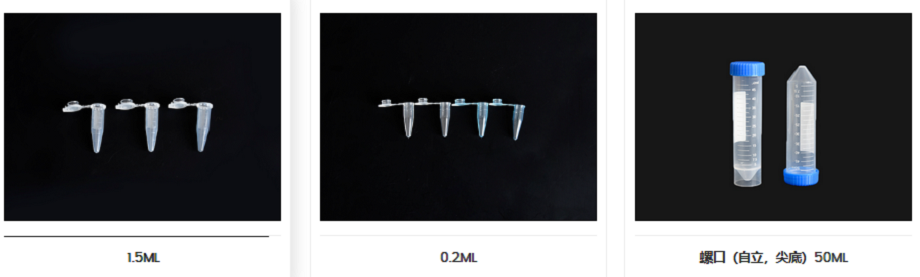
    1.5 ml/2 ml micro-volume version: features a pointed-bottom design with an integrated cap, compatible with standard micro-volume centrifugation rotor, suitable for applications such as extraction, micro-volume specimen and aliquot, and temporary storage of ELISA reagents

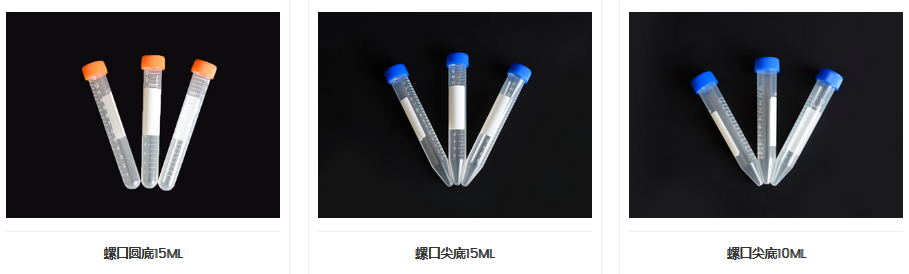
    15ml version: Screw-cap design with a pointed base, capable of withstanding forces of up to 12,000g centrifugation; the tube features clear graduations and a labelling area, is compatible with high-capacity centrifugation centrifuge rotors, and is suitable for medium-volume specimen centrifugation precipitates

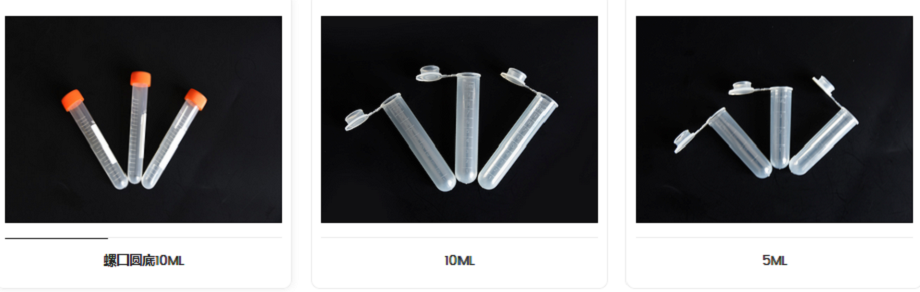
    50ml version: Available with either a screw cap and pointed base or a flat base that stands upright; withstands forces of up to 9,500g centrifugation; the tube can be graduated up to 60ml, making it suitable for large-volume specimen enrichment, reagent preparation and cell suspensions centrifugation and similar applications

    The tube range at a glance

    Plastics for Scientific Research centrifuge tube 1.5ml/2ml/15ml/50ml, graduated
    Plastics for Scientific Research centrifuge tube 1.5ml/2ml/15ml/50ml, graduated
    Plastics for Scientific Research centrifuge tube 1.5ml/2ml/15ml/50ml, graduated

    Where PP wins

    Safe and clean: The product has undergone electron beam sterilized treatment, strictly ensuring DNase-free, RNase-free and endotoxin-free contamination, and meeting the experimental requirements for sensitivity levels ranging from nucleic acid, protein and other sensitive specimen experimental requirements.

    Leak-proof seal: tube cap Features a double-threaded/spiral-grooved seal design, ensuring no liquid leakage during high-speed centrifugation or inverted operation, thereby preventing specimen cross-contamination and aerosol dispersion

    Corrosion-resistant and durable: Made from high-quality PP material, these tubes are resistant to acids and alkalis and are compatible with the vast majority of standard chemical reagents. The tube walls are of uniform thickness, ensuring they are unlikely to become brittle or deform during long-term storage at low temperatures.

    Compliance Certifications: All the brand’s products are certified to ISO 9001, ISO 13485 and the EU CE mark; some models also carry FDA food-contact certification, ensuring compliance for research applications.

    Practical cautions

    When filling with liquid, leave at least 10 per cent of the tube’s capacity free to prevent the liquid from spilling over at high speeds centrifugation, which could cause the rotor to become unbalanced.

    centrifugation Ensure the machine is carefully balanced beforehand; microcentrifuge tube the balancing error must be kept within 0.1 g to prevent centrifugation operational faults.

    Standard (non-cryopreservation grade) centrifuge tube Must not be placed directly at –80°C ultra-low temperature freezer for long-term storage, to prevent the tube from becoming brittle and leaking

    Give preference to the electron beam sterilized model to avoid issues such as tube deformation and blurred markings caused by high-pressure steam sterilized.

    Note: The product information above is for reference only!

    BUNSEN BUNSEN offers a product range of over 10,000 items, which are widely used in research institutions, central laboratories and the field of molecular biology. The company’s extensive product range is capable of meeting the specific requirements of R&D clients regarding product variety and packaging, whilst also fulfilling the comprehensive needs of manufacturing enterprises at every stage, from small-scale and pilot-scale trials through to large-scale production.


    Note: The information on the scientific research products above is for reference only!

  • Cleanliness Grades: DNase-Free, Pyrogen-Free, USP VI

    Short answer: these terms describe five different things, and suppliers often blur them together:

    TermWhat it actually describes
    USP Class VIThe material — a biocompatibility classification for plastics in contact with biological samples
    DNase-free / RNase-freeBiological cleanliness — no residual nuclease activity that would degrade DNA or RNA
    Pyrogen-freeAbsence of pyrogens (endotoxin), usually stated as a numeric limit
    SAL 10⁻⁶Sterility assurance — a probability, not a yes/no property
    100,000-classThe manufacturing environment, not the product’s cleanliness

    A product can legitimately be USP Class VI and non-sterile; conversely, a sterile product can still be contaminated with nucleases. Understanding which question each term answers is what lets you specify the right thing — and check it.


    1. USP Class VI — a material classification

    USP Class VI comes from the United States Pharmacopeia’s biological reactivity tests for plastics. Class VI is the most stringent of the classes and is the grade commonly required for materials intended to contact biological samples.

    Two things worth being clear about:

    • It is a property of the resin, not of the finished part’s cleanliness.
    • It says nothing about sterility or nuclease contamination.

    For lab consumables, USP Class VI polypropylene is the usual choice for tubes, vials and plates; polystyrene for culture ware; and PET / PETG for bottles where optical clarity and gas barrier matter.

    2. DNase-free and RNase-free — the one that ruins experiments

    Nucleases are enzymes that degrade nucleic acids:

    • DNase degrades DNA template
    • RNase degrades RNA

    Both are extremely stable and can persist on surfaces that look perfectly clean. For PCR and RNA work, a consumable that is not certified nuclease-free can destroy the assay without producing any visible sign of a problem — the reaction simply underperforms or fails.

    This is why “DNase-free and RNase-free” should be stated as a release criterion for the batch, not as a general marketing claim. Ask to see it on the CoA.

    3. Pyrogen-free and the endotoxin limit

    Pyrogens are substances that cause fever; bacterial endotoxin is the most common one. For consumables used with cell culture or injectable workflows, the requirement is normally expressed numerically — for example endotoxin < 0.1 EU/mL.

    Note the distinction from sterility. Sterilization kills organisms; it does not necessarily remove the endotoxin those organisms left behind. A product can pass sterility and still fail a pyrogen specification.

    4. SAL 10⁻⁶ — sterility as a probability

    SAL (Sterility Assurance Level) of 10⁻⁶ means there is a probability of fewer than one non-sterile unit in a million after sterilization. It is a statistical statement about the process, established through validation of the sterilization cycle.

    Gamma irradiation is the usual method for single-use plastic consumables because it penetrates sealed packaging and does not require heat. When you ask about sterility, the useful question is not “is it sterile” but “to what SAL, by which method” — and, for a specific batch, “which cycle was this lot run on”.

    5. Cleanroom class — the environment, not the product

    A 100,000-class cleanroom describes the manufacturing environment in terms of permitted particle counts per cubic foot of air. Under the older US FED-STD-209E naming, Class 100,000 is commonly equated with ISO 8 in the current ISO 14644 classification.

    Why this matters: a cleanroom class constrains how much particulate and microbial contamination can enter during moulding and assembly. But it is a factory-level condition, not a certificate about the item in your hand. That is what the batch-level release criteria are for.

    6. The additives nobody asks about

    Two formulation choices affect sensitive assays and are rarely volunteered:

    • Mold-release agents — used in moulding to help parts release from tooling. They can leave residue that inhibits PCR or affects cell growth.
    • Colour additives — masterbatch colours can fluoresce or interfere with optical readouts.

    For molecular and cell-culture work, the specification worth requesting explicitly is no mold-release agents and no colour additives.

    7. Which grade do you actually need?

    ApplicationMaterialCleanlinessSterility
    Routine sample handling, storagePP / PS, ideally USP Class VINuclease-free if downstream nucleic-acid workUsually optional
    PCR / qPCRPP, USP Class VIDNase-free and RNase-free requiredOptional, but must not introduce contamination
    Cell culturePS with TC treatment, USP Class VIPyrogen-free, low endotoxinSterile, SAL 10⁻⁶
    Cryogenic storage (LN2)PP, USP Class VINuclease-free where samples are nucleic acidSterile usual
    Buffer / reagent preparationPET / PETG / HDPENot usually criticalOptional

    8. How to verify any of this

    Claims are cheap. Ask for:

    1. A CoA from a specific recent batch — it should name the tests: sterility, endotoxin, cytotoxicity, RNase/DNase residues.
    2. The numeric endotoxin limit, not just the phrase “pyrogen-free”.
    3. The SAL and the sterilization method.
    4. The material grade declared for the resin, not just “medical-grade plastic”.
    5. Third-party test reports where an independent result is needed.

    If a supplier cannot supply a CoA on request, the other claims are not worth evaluating.


    Frequently asked questions

    Does USP Class VI mean the product is sterile? No. USP Class VI is a material biocompatibility classification. Sterility is a separate property, described by the sterilization method and the SAL.

    Is sterile the same as pyrogen-free? No. Sterilization kills organisms; it does not necessarily remove the endotoxin they leave behind. A product can be sterile and still fail an endotoxin limit.

    What does SAL 10⁻⁶ mean? It means a probability of fewer than one non-sterile unit in a million — a validated property of the sterilization process, not a per-unit inspection result.

    Why does DNase/RNase contamination matter so much in PCR? Because trace nuclease activity degrades the DNA template or RNA before or during amplification. The assay then underperforms or fails with no obvious physical indication of contamination.

    What does a 100,000-class cleanroom mean? It describes the permitted airborne particle count in the manufacturing environment — a factory condition, commonly equated with ISO 8. It is not a certificate about the cleanliness of an individual item; that comes from batch-level release criteria.

    Does BUNSEN publish ISO or CE certificates? No ISO or CE certificate number is published. Claims of that kind should be supported by a certificate number and issuing body — if a supplier cannot provide those, treat the claim as unverified.


    Related BUNSEN products

    BUNSEN consumables use USP Class VI polypropylene, polystyrene or PET/PETG, are produced in a 100,000-class cleanroom, and are released DNase-free, RNase-free and pyrogen-free (endotoxin < 0.1 EU/mL) with no mold-release agents or colour additives.

    Browse the full product range, or request a sample or quotation.

    Note: The information on the scientific research products above is for reference only!

  • Lab Consumables OEM/ODM: Quote to Delivery

    Short answer: OEM/ODM for lab consumables follows six stages — scope definition, specification freeze and MOQ quotation, sampling and approval, production and sterilization, documentation, then packaging and shipping. The two stages that decide whether the project goes smoothly are stage 2 (freezing the specification, because that is what fixes MOQ and lead time) and stage 3 (approving a physical sample before tooling and printing are committed).


    1. Scope definition — what is actually customisable

    Start by separating what can be changed from what cannot:

    Customisable

    • Colour — tube body and cap
    • Laser-printed logo — permanent marking, not a label
    • Barcode / QR code — including multi-code formats for biobanking
    • Individual packaging — bagged, racked, or blister configurations
    • Sterilization — sterile or non-sterile, and specific sterilization methods

    Not customisable (and should not be)

    • SBS footprint and well geometry for microplates — changing these breaks instrument compatibility and defeats the purpose of the product.
    • Material grade below the required biocompatibility class — the raw material determines whether the part is usable in cell culture or PCR.

    A supplier who offers to change the well geometry to suit your branding is offering to make the product unusable.

    2. Specification freeze and the MOQ quotation

    This is the stage buyers most often underestimate. MOQ is quoted per project because it is driven by setup costs, not by volume pricing alone:

    Cost driverWhy it sets a floor
    Mould / toolingExisting tooling is far cheaper than new tooling; a new geometry can require its own mould
    Print setupLaser programming and fixture setup are one-off per design
    Packaging runCustom bagging or racking has a minimum run
    Sterilization batchIrradiation is run in batches; a small order may be consolidated

    This is why a serious supplier will not publish a single MOQ number and will instead ask for your specification first. Be cautious of a fixed MOQ quoted before anyone has seen the artwork or packaging requirement.

    What to send at this stage

    • Target format and dimensions
    • Artwork file for the logo or print
    • Barcode / QR content and placement
    • Packaging requirement (individual bag, rack, bulk)
    • Sterile or non-sterile
    • Estimated annual volume, not just first order

    Annual volume is the single most useful number you can provide — it lets the supplier recommend existing tooling where possible, which is the main lever on both MOQ and unit price.

    3. Sampling and approval

    Never go from drawing to production. The correct sequence is:

    1. Pre-production sample made to your frozen specification.
    2. Physical approval by you — check colour, print position and legibility, cap fit, and packaging.
    3. On-instrument testing where the product interfaces with equipment (plates, strips, tips). Confirm fit and, for PCR, confirm Ct consistency rather than just that amplification occurred.

    Approving a sample is what converts an estimate into a committed lead time. Skipping it is the most common cause of a project that “finishes on time” but produces product you cannot use.

    4. Production and sterilization

    Look for the production environment to be stated concretely:

    • Manufacture in a 100,000-class cleanroom with automated injection moulding and assembly.
    • Materials at the required grade — USP Class VI polypropylene, polystyrene or PET/PETG for consumables in contact with samples.
    • Gamma irradiation to SAL 10⁻⁶ where sterile product is required.
    • Release criteria addressing DNase, RNase and pyrogen contamination, with no mold-release agents or colour additives.

    Colour additives deserve a specific note: if you request a custom colour, ask whether the masterbatch affects the release criteria. Additives are a legitimate concern in fluorescence-based assays.

    5. Documentation

    For each production batch, expect:

    • CoA — sterility, endotoxin, cytotoxicity, RNase/DNase residues
    • Third-party test reports — available per batch on request
    • Certificate of origin and the trade documents your destination customs authority requires

    Keep the CoA for each batch against the shipment, so a question raised months later can be traced to a specific production run.

    6. Packaging and shipping

    • Custom individual packaging is prepared as part of the production run.
    • Shipment from the factory is by international courier, air freight or sea freight, chosen on volume and urgency.
    • The method and estimated transit time are stated in the quotation, not decided after production.

    Realistic timeline expectations

    StageTypical duration
    Specification freeze and quotationDays, once artwork and volume are supplied
    Pre-production sampleDepends on tooling; existing tooling is much faster
    Sample approvalYour review time — the main variable
    ProductionCustom orders commonly quoted around 15 working days from approval
    Sterilization + documentationWithin the production window
    ShippingQuoted separately by method

    For stock items, none of the above applies: they are orderable from a single pack and typically ship in 1–2 working days.

    Common mistakes

    1. Requesting a quote without a specification. You will get a range, not a number.
    2. Omitting annual volume. It is the main input to tooling decisions.
    3. Skipping sample approval to save time, then discovering a print or fit problem after production.
    4. Changing the specification mid-project. Any change after tooling or print setup restarts the cost calculation.
    5. Assuming a custom colour is free of technical consequences.

    Frequently asked questions

    What is the MOQ for custom lab consumables? It is quoted per project, because it depends on tooling, print setup, packaging run and sterilization batch. Provide the specification and estimated annual volume and it can be quoted precisely.

    Can I order stock items in small quantities? Yes — stock items are orderable from a single pack with no minimum, typically shipping in 1–2 working days.

    Can my logo be printed on the tubes? Yes, via laser-printed marking, which is permanent. Barcode and QR codes can also be applied, including multi-code formats combining a laser-etched Data Matrix, a side barcode and a human-readable number.

    Can I get a sample before ordering? Yes. Trial samples are available, and for instrument-fit questions plates or strips can be sent for on-instrument testing before a production order.

    How long does a custom order take? Custom orders are tracked end-to-end and the fastest realistic delivery is around 15 working days; the exact lead time depends on specification and quantity and is confirmed in the quotation.


    Related BUNSEN products

    BUNSEN manufactures in its own 100,000-class cleanroom and offers OEM/ODM customisation — tube colour, laser logo, barcode / QR, individual packaging and special sterilization.

    Browse the full product range, or request a sample or quotation.

    Note: The information on the scientific research products above is for reference only!

  • PCR Plates and Tubes: SBS, Skirting and Compatibility

    Short answer: choose in this order — (1) confirm the SBS footprint, (2) pick the skirt type based on whether a robot handles the plate, (3) pick volume and format (0.1 mL vs 0.2 mL; single tubes vs strips vs plates), (4) pick the sealing film based on whether you read fluorescence, and (5) verify cleanliness (DNase/RNase-free) and instrument fit by model.

    Getting the order right matters, because the first two constraints eliminate most of the catalogue before price is even a factor.


    1. Start with the SBS footprint

    SBS (Society for Biomolecular Sciences) defines the standard microplate footprint — outer dimensions and well positions. Two consequences:

    • A plate that meets SBS will physically fit any SBS-compliant instrument.
    • A plate that nearly meets SBS may still seat, but with uneven contact between wells and the thermal block. That shows up as inconsistent Ct values across a plate — you get data that looks plausible but is not reproducible.

    SBS compliance is therefore non-negotiable, and it is the one specification worth verifying with the supplier’s own documentation rather than assuming.

    2. Skirt type: what it is actually for

    The skirt is the raised plastic edge around the plate. It is not cosmetic — it determines whether the plate can be handled by automation.

    Skirt typeBest for
    Non-skirtedManual pipetting only; lowest cost; unsuitable for robotic grippers and many plate stackers
    Semi-skirtedA middle ground — enough edge for many handlers, while still fitting instruments with tight clearances
    Fully skirtedAutomated workstations, robotic arms and plate stackers; the most rigid and the least prone to warping

    Rule of thumb: if a robot touches the plate, use fully skirted. If the plate is handled by hand and the instrument has tight clearances, semi-skirted is usually the right compromise. Non-skirted is for manual, cost-sensitive work.

    3. Volume and format

    Plate well count

    • 96-well — the default for most qPCR and endpoint PCR work.
    • 384-well — for high-throughput screening and reagent-limited assays.

    Tube format

    • 0.1 mL — low-volume reactions; sits higher in the block and suits instruments designed for low-volume tubes.
    • 0.2 mL — the most widely used size; the safe default.
    • Single tubes — flexible, for ad-hoc or low-count reactions.
    • 8-tube strips and 12-tube strips — the practical middle ground: fewer plastic items to handle than singles, less commitment than a full plate, and compatible with strip-cap formats.

    4. Sealing: match the film to the readout

    This is where a lot of avoidable failure happens. Films are not interchangeable:

    • Optically clear qPCR films — required for real-time fluorescence. A translucent or aluminium seal will block or distort the optical path.
    • Aluminium heat-seal films — excellent sealing for storage and endpoint work; not suitable where fluorescence must pass through.
    • Breathable films — for cell culture and long-term low-temperature storage, where gas exchange matters.
    • Low-temperature / heat-seal options — for workflows where the seal is applied under controlled heat.

    Ask two questions: does light need to pass through it? and does gas need to pass through it? The answers determine the film.

    5. Wall uniformity and heat transfer

    For PCR tubes and plates, ultra-thin, uniform walls are the point of the product. Thicker or uneven walls change the rate at which heat reaches the reaction, which shifts Ct values and can make replicate wells disagree.

    Uniform wall thickness is a manufacturing quality issue, not a design specification you can read off a datasheet — which is why the next section matters.

    6. Instrument compatibility: verify by model

    “Compatible with most real-time PCR instruments” is not a specification. The useful answer names models. Ask the supplier which platforms they have verified compatibility with, for example:

    • ABI — 7500, QuantStudio
    • Bio-Rad — CFX96
    • Roche — LightCycler 480
    • Eppendorf and other mainstream platforms

    Then validate on your own instrument before committing to a volume order — see below.

    7. Cleanliness: DNase/RNase-free is not optional

    PCR is an amplification technique. Trace nuclease contamination destroys the result: DNase degrades template, RNase degrades RNA. For PCR consumables, require:

    • DNase-free and RNase-free — stated as a release criterion, not a marketing phrase
    • Pyrogen-free, typically endotoxin < 0.1 EU/mL
    • No mold-release agents or colour additives, which can inhibit amplification
    • Gamma irradiation to SAL 10⁻⁶ where sterile product is required

    8. How to validate a new supplier without risk

    The lowest-risk sequence:

    1. Request free trial samples of the specific formats you use.
    2. Ask for plates or strips to be sent for on-instrument testing — run them on your own instrument before any production order.
    3. Compare Ct consistency across the plate, not just whether the reaction worked. A plate can amplify correctly and still be unusable if well-to-well variation is high.
    4. Only then place a volume order, and keep the CoA for that batch on file.

    Frequently asked questions

    Are BUNSEN PCR plates SBS standard? Yes — the 96-well and 384-well plates are manufactured to the SBS footprint in non-skirted, semi-skirted and fully skirted formats.

    Which is better, 0.1 mL or 0.2 mL PCR tubes? It depends on reaction volume and instrument. 0.2 mL is the most widely supported default; 0.1 mL suits low-volume reactions and instruments designed for it.

    Can I use an aluminium seal for qPCR? No. Real-time fluorescence has to pass through the seal, so an optically clear qPCR film is required. Aluminium seals are for storage and endpoint work.

    Do BUNSEN PCR consumables work with ABI, Bio-Rad and Roche instruments? They are verified compatible with mainstream platforms including ABI (7500 / QuantStudio), Bio-Rad (CFX96) and Roche (LightCycler 480). Because heat-transfer behaviour depends on the instrument’s block, trial samples can be supplied for on-instrument testing before a production order.

    Are the plates supplied sterile? PCR consumables are supplied DNase-free and RNase-free as a release criterion, with gamma irradiation to SAL 10⁻⁶ available where sterile product is required.


    Related BUNSEN products

    BUNSEN PCR consumables follow SBS international standards, are released DNase-free and RNase-free, and are verified compatible with ABI (7500 / QuantStudio), Bio-Rad (CFX96) and Roche (LightCycler 480).

    Browse the full product range, or request a sample or quotation.

    Note: The information on the scientific research products above is for reference only!

  • How to Choose a Lab Consumables Supplier in China

    Short answer: verify seven things in this order — (1) is it a real manufacturer with its own cleanroom, (2) what material grade is used, (3) how is sterility achieved, (4) does it hold dimensional standards, (5) what documentation ships with each batch, (6) what are the real MOQ and lead times, and (7) can it do private label. Everything else is secondary.

    Below is what each check actually looks like, and the specific answers a serious supplier should be able to give you without hesitation.


    1. Manufacturer or trading company?

    This is the single most common source of trouble. A trader can quote any product at any price, but cannot control the mould, the resin lot or the sterilization run — which is exactly where batch-to-batch variation comes from.

    Ask for:

    • Cleanroom class and location. A real producer will state the class (e.g. 100,000-class) and confirm the cleanroom is its own, not a subcontractor’s.
    • Moulding capability. Automated injection moulding and assembly lines in the same facility means the producer owns its tooling.
    • In-house sterilization. Gamma irradiation to a defined SAL is a process the manufacturer should be able to describe, not outsource blindly.

    Cross-check the legal entity name on the quotation against the name in the company’s published records. If the legal entity is a different company from the brand, ask which one is the manufacturer of record.

    2. Material grade: the difference between “PP” and “USP Class VI PP”

    “Polypropylene” on its own tells you nothing about whether the part is safe for cell culture or PCR. The grade that matters for lab consumables is USP Class VI, the biocompatibility classification used for materials in contact with biological samples.

    For PCR and cell-culture work you should also expect:

    • DNase-free and RNase-free — otherwise residual nuclease activity degrades your template or your RNA.
    • Pyrogen-free, typically stated as endotoxin < 0.1 EU/mL.
    • No mold-release agents and no color additives, both of which can leach and interfere with fluorescence readouts or cell growth.

    A supplier that can only say “medical-grade plastic” has not answered the question.

    3. Sterility: ask for the SAL, not the word “sterile”

    “Sterile” is a claim; SAL 10⁻⁶ is a specification. SAL (Sterility Assurance Level) of 10⁻⁶ means a probability of fewer than one non-sterile unit in a million. Gamma irradiation to SAL 10⁻⁶ is the common route for single-use plastic consumables.

    Also ask whether the product is supplied sterile or non-sterile as standard, and whether both options exist — many consumables are legitimately offered non-sterile at a lower price.

    4. Dimensional standards and instrument compatibility

    For microplates and PCR consumables, the governing standard is SBS (Society for Biomolecular Sciences) footprint. A plate that misses the SBS footprint by a fraction of a millimetre will still physically sit in the instrument but can produce uneven heat transfer — which shows up as inconsistent Ct values rather than an obvious error.

    Ask which instruments the supplier has verified compatibility with, by model — for example ABI (7500, QuantStudio), Bio-Rad (CFX96) and Roche (LightCycler 480). A vague “compatible with most instruments” is a warning sign.

    5. Documentation: what should ship with every batch?

    At minimum:

    DocumentWhat it should cover
    CoA (Certificate of Analysis)Sterility, endotoxin, cytotoxicity, RNase/DNase residues
    Third-party test reportAvailable per batch on request
    Certificate of originRequired by many customs authorities
    Trade documentsThose your destination market specifically requires

    If a supplier cannot produce a CoA on request, stop there.

    Note on certifications: ISO 9001 / ISO 13485 / CE claims should be backed by a certificate number and issuing body. If a supplier cannot give you those, treat the claim as unverified.

    6. MOQ and lead time: the numbers you should hear

    Realistic answers from a manufacturer with stock:

    • Stock items: no minimum, orderable from a single pack.
    • Stock lead time: typically 1–2 working days after order confirmation.
    • Custom / OEM orders: MOQ depends on the specification (colour, printing, packaging, sterilization), so it is quoted per project rather than published.
    • Custom lead time: the fastest realistic figure is around 15 working days, with the exact time confirmed in the quotation.

    Be suspicious of a custom lead time quoted as a fixed number of days before anyone has seen your specification.

    7. Private label and custom manufacturing

    If you intend to sell under your own brand, confirm the supplier can handle:

    • Tube and cap colour customisation
    • Laser-printed logo (permanent, unlike a label)
    • Barcode / QR and, for biobanking, multi-code formats
    • Individual packaging and custom sterilization options

    Ask whether they can supply trial samples before a production order, and whether they can send plates or strips for on-instrument testing — that final step is what actually derisks a switch of supplier.


    Questions to ask on the first call

    1. What cleanroom class do you produce in, and is it your own facility?
    2. Which material grade do you use — is it USP Class VI?
    3. What SAL do you sterilize to, and by which method?
    4. Can you send a CoA from a recent batch today?
    5. Which instrument models have you verified SBS compatibility with?
    6. What is your MOQ for a stock item, and for a custom print?
    7. Can you send a trial sample, and can we test it on our instrument first?

    A supplier who answers all seven concretely is worth a trial order. One who deflects on questions 1, 3 or 4 is not.


    Frequently asked questions

    Is it cheaper to buy lab consumables from a trading company? Often on the quoted unit price, rarely on total cost. Traders add margin and cannot control batch variation, so the cost appears later as inconsistent assay results or rejected lots.

    What is a normal MOQ for lab consumables from China? For stock items, a single pack is reasonable — that is the normal offer from a manufacturer holding inventory. For custom OEM work the MOQ is driven by the moulding and printing setup for your specific specification.

    How long does shipping take? Production lead time and shipping transit time are separate. Stock items ship in 1–2 working days; custom orders are typically around 15 working days. Transit depends on the method — international courier, air freight or sea freight — and is quoted with the order.

    Do I need an import licence for plastic lab consumables? Plastic laboratory consumables are generally not specially regulated, so most destinations require no additional licence. Specific customs and certification requirements should still be confirmed for your market, and a supplier with export experience can prepare the origin and trade documents.


    Related BUNSEN products

    BUNSEN is a registered manufacturer in Tianjin, China, producing in its own 100,000-class cleanroom with gamma sterilization to SAL 10⁻⁶. Every batch ships with a CoA covering sterility, endotoxin, cytotoxicity and RNase/DNase residues.

    Browse the full product range, or request a sample or quotation.
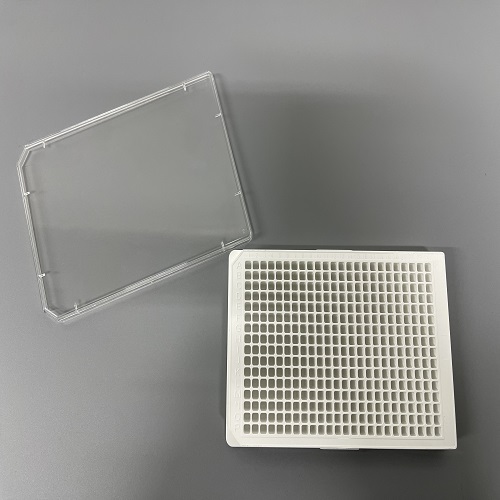

    Note: The information on the scientific research products above is for reference only!

  • What are the common issues in cell culture?

    Common issues encountered during cell culture primarily fall into three main categories: culture medium management, contamination control and abnormal cell growth. BUNSEN BUNSEN has compiled a list of these issues and the corresponding key points based on practical scenarios, as follows:

    Questions about culture medium

    Abnormalities caused by improper storage: Liquid culture medium—if not stored as required at 2–8 °C away from light, freezing may cause salt precipitation and abnormal osmotic pressure; prolonged exposure to air after opening may result in CO₂ release, causing culture medium to become alkaline and its colour to darken.

    Abnormal pH levels: A mismatch between the CO₂ incubator setpoint and the culture medium buffer system, as well as microbial contamination, can cause the pH to remain persistently below 6.8, thereby inhibiting cellular metabolism, or to rise above 7.6, thereby destroying enzyme viability, ultimately reducing cell viability.

    Degradation of key nutrients: Free L-glutamine degrades readily in solution; at 37 °C, the daily degradation rate can reach 10 per cent. The ammonia produced is toxic to cells and impairs their normal proliferation.

    Cell condition deteriorates after replacing culture medium: As the formulations of culture medium vary between manufacturers, it is more difficult to acclimatise passaged cell lines to a new medium; replacing culture medium directly in fragile, freshly thawed cells can lead to a sharp drop in viability.

    Questions about contamination

    Bacterial contamination: Outbreaks occur rapidly; within 1–2 days, culture medium becomes cloudy and develops an unpleasant odour. Under the microscope, regular spherical or rod-shaped motile particles are visible; these consume large amounts of nutrients and secrete toxins, leading to widespread cell death.

    Fungal contamination: In the early stages culture medium, it is difficult to detect; in the later stages, white or yellow, flocculent hyphae become visible to the naked eye. Spores can be transmitted through the air and are highly likely to spread and contaminate the entire laboratory.

    Mycoplasma contamination: Cannot be directly observed under a light microscope; culture medium the culture remains clear at all times, manifesting only as abnormal cell morphology and slowed proliferation. This is the most insidious type of contamination and can persistently compromise the reliability of experimental results.

    Misinterpretation of ‘black spot contamination’: Black spots observed under the microscope are not necessarily contamination; they may also be cellular metabolic by-products, cell debris, serum cold-induced precipitates or apoptotic bodies. A comprehensive assessment must be made in conjunction with the cells’ growth status to avoid mistakenly discarding normal cells.

    Questions about abnormal cell growth

    Improper subculturing techniques: Excessive digestion or excessive force when pipetting can cause significant mechanical damage to cells, resulting in a large amount of cell debris and a substantial reduction in cell viability in subsequent cultures.

    serum Batch-to-batch variation: There are fluctuations in the nutritional composition of different batches of serum; switching batches without first conducting a pilot test is likely to result in a precipitous decline in cell growth.

    Cell cross-contamination: When cells from different species or strains are cultured together, they cannot be accurately identified by morphological observation alone, which may lead to experimental results deviating from expectations; confirmation via STR analysis is therefore required.


    Note: The information on the scientific research products above is for reference only!

  • ELISA Kit FAQ: The Questions Researchers Ask Most

    Troubleshooting ELISA experiments hinges on controlling variables. Most ‘failures’ stem from variations in operational details. The following is a summary of common causes and solutions organised by problem type, to help you pinpoint the issue quickly.

    The standard curve is poor (R² below 0.99)

    Standard curves form the basis of quantitative analysis; problems usually arise due to inaccurate gradients or uneven reactions.

    standard Dilution error: Insufficient dissolution or failure to mix thoroughly during ratio dilution. It is recommended to allow the solution to stand briefly centrifugation after dissolution, to use a new tip at each step, and to vortex thoroughly.

    Inaccurate dispensing: pipette Not calibrated, or inconsistent dispensing speed or angle. Ensure regular calibration and maintain a vertical, steady motion when dispensing.

    Fluctuations in incubation conditions: Failure to seal the plate may result in edge effects or temperature inconsistencies. Be sure to use sealing film and place it in a constant-temperature incubator (37°C ± 0.5°C).

    Background too high (high blank OD)

    A high background level narrows the detection range, making it difficult to interpret weak positive results specimen.

    Incomplete cleaning: This is the most common cause. Ensure that each well is filled with cleaning solution, soak for 30 seconds to 2 minutes, pat dry, and repeat 3–5 times.

    Inadequate blocking: The blocking agent has failed to cover all non-specific binding sites. It is recommended to extend the blocking time (≥1 hour) or optimise the blocking solution (e.g. containing 5% skimmed milk powder + 0.1% Tween-20).

    Excessive colour development time: the substrate has reacted for too long. Control the reaction time; once the peak on the standard curve has developed fully, stop the reaction immediately.

    Sensitivity too low (weak signal, low OD)

    If the target substance is present but cannot be detected, this is usually due to a loss of activity or an insufficient reaction.

    Reagent inactivation or omission: enzyme Standard antibody or substrate repeatedly freeze-thaw failing, or omitted during the procedure. Reagents must be used by batch aliquot to avoid repeated use freeze-thaw, and the substrate must be strictly protected from light.

    specimen Degradation or the presence of inhibitors: specimen Repeated freeze-thaw leads to antigen degradation, or the presence of NaN₃ inhibits HRP enzyme activity. specimen Should aliquot be stored at –80 °C; the use of specimen or reagents containing NaN₃ is strictly prohibited.

    Insufficient incubation: the incubation period was too short or the temperature was too low. You may try extending the incubation time (e.g. overnight at 4 °C) or checking the temperature of the incubator.

    Poor reproducibility (CV above 15 %)

    Variations in sample addition: Uneven addition rate or pipette tip loose fittings. It is recommended to use a calibrated pipette and to add samples from the same batch of specimen simultaneously to minimise time differences between wells.

    Inconsistent force when washing and drying: the force applied when drying by hand may be too strong or too light. The item should be patted dry vertically with moderate force to prevent the composite material from falling off or residue.

    Edge effect: Evaporation occurs more rapidly at the outer holes. Give priority to the central holes, or use sealing film sealing throughout.

    Details that decide whether the plate works

    Beware of the ‘hook effect’: When the concentration of specimen is too high, it may actually lead to signal suppression (false negatives). If the result is abnormally low but the expected value is high, dilute specimen and retest.

    specimen Contraindications: haemolysis specimen (haem protein with peroxide-like enzyme activity), hyperlipidaemia specimen and samples containing NaN₃ specimen will all seriously interfere with the results.

    Consumables management: Any unused items (microplate) must be sealed with a desiccant to prevent moisture ingress; if crystals form in the concentrated washing solution, dissolve them in a 37°C water bath before use.


    Note: The information on the scientific research products above is for reference only!

  • Mouse ELISA Kits: Handling Precautions and Plate Washing

    A mouse ELISA kit fails for unglamorous reasons: haemolysed serum, a wash step shortened under time pressure, or a plate left to dry between steps. The assay itself is robust — most of the variability comes from handling before and after the incubation.

    Before you start: samples and reagents

    Serum and plasma should be separated cleanly and spun down before freezing. Haemolysis, lipaemia and repeated freeze-thaw all interfere with the readout, and none of them is recoverable once the sample is in the well. Aliquot on first thaw and never refreeze a working aliquot.

    Bring every reagent out of 2–8 °C at least 30 minutes before use so it reaches room temperature. Cold reagent added to a room-temperature plate binds unevenly across the plate. If crystals have formed in the concentrated wash buffer, dissolve them completely in a 37 °C water bath before diluting — crystals left in the buffer mean a wash concentration that varies from well to well.

    During the assay

    • Change tips between every reagent and every sample. Cross-contamination between adjacent wells is the most common cause of a single odd value on an otherwise clean plate.
    • Hold to the incubation temperature and time in the protocol. Extending the incubation “to be safe” increases non-specific binding and raises background directly.
    • Seal the plate properly. An imperfect seal lets liquid evaporate from the perimeter wells and concentrates the reaction there — the classic edge effect.
    • Put a humidification tray in the incubator. It costs nothing and removes most of the evaporation problem.

    Colour development and reading

    Keep the TMB substrate away from light throughout, and discard it if it has already turned pale blue before use. Add the stop solution in the same order and at the same rate as the substrate, then read within 30 minutes. The coloured product fades, and an OD read later than that is simply lower than the true value.

    Storage between runs

    Store unopened kits at 2–8 °C, protected from light, and do not freeze them. Return unused strips to the foil pouch with the desiccant, reseal it, and use them within a month. A strip that has been sitting in an open pouch for two months is the usual explanation for a plate that worked in September and does not work in November.

    Standard plate-washing procedure

    Washing is where backgrounds are made or lost. The protocol is short, and every step matters:

    1. Dilute the concentrate with fresh deionised water at the ratio stated in the instructions — 20-fold for most BUNSEN kits — and use it the same day.
    2. Fill each well with about 300 µL, right to the brim without overflowing.
    3. Soak 30–60 seconds so the buffer contacts the whole well wall, not just the bottom.
    4. Drain and blot: invert the plate over a sink, then tap it firmly face-down on a thick pad of absorbent paper. Do not wipe the wells with tissue — paper fibres left behind read as signal.
    5. Repeat five times. On the last cycle make sure no residual liquid remains in any well, because leftover conjugate raises background across the whole plate.
    6. Move straight on to the next reagent. A plate left to dry out blocks unevenly.

    Washing mistakes that raise background

    • Fewer than three cycles when the protocol says five.
    • Wash buffer diluted the day before, or made with tap water.
    • Blotting gently instead of firmly, leaving a film of unbound protein in the wells.
    • Letting the plate stand dry for more than a couple of minutes between washing and the next step.

    Note: The information on the scientific research products above is for reference only!

  • Low-Binding 96-Well U-Bottom Plates: What They Are Used For

    What low-binding actually changes

    The 96-well U-bottom low-binding culture plate is a specialised consumable designed specifically for 3D cell suspension culture. The well bottom features a covalently modified, electrically neutral, inert hydrogel coating that inhibits cell adhesion, whilst protein non-specific binding. Combined with the converging geometry of the U-shaped round bottom, this enables cells to aggregate spontaneously without external intervention, forming 3D cell spheroids of highly uniform morphology. This avoids the issues of cell adhesion and spreading, as well as uneven spheroid sizes, commonly encountered in traditional flat-bottomed culture plate plates.

    Where U-bottom low-binding plates earn their price

    3D cell spheroids

    The converging properties of the U-shaped bottom allow cells to settle naturally and aggregate at the centre of the well base; without the need for special coating or droplet formation techniques, tumour cell spheroids of uniform size can be produced in bulk, simulating the three-dimensional microenvironment of solid tumours in vivo.

    Stem cell and blastomere culture

    Super low-binding blocks the spontaneous differentiation signals triggered during the adhesion of stem cells, thereby maintaining their pluripotent state, it can efficiently induce embryonic stem cells and iPS cells to aggregate and form morphologically uniform blastocyst-like structures, significantly enhancing the success rate and uniformity of blastocyst-like formation, thereby providing stable starting material for subsequent directed stem cell differentiation experiments.

    Applications of 96-well U-bottom plates low-binding culture plate

    Long-term organoid culture

    Designed to meet the suspension culture requirements of a wide range of organoids, low-binding the coating does not bind non-specifically to the organoid’s extracellular matrix, whilst the spatial structure of the U-shaped base prevents deformation of the organoids upon attachment, supporting their long-term, stable growth within the wells. Furthermore, as frequent passaging and transfer are not required, this significantly reduces the specimen risk of damage during the procedure.

    High-throughput drug screening

    The 96-well layout, compliant with the ANSI/SBS standard, can be directly integrated with automated pipetting workstations, high-throughput enzyme analysers and high-content imaging systems, enabling an integrated ‘culture–dosing–assay’ workflow. There is no need to transfer cell spheroids, thereby avoiding mechanical damage caused by spheroid transfer and ensuring that experimental reproducibility is significantly higher than that of traditional methods.

    Immune cell function assays

    Designed for the suspension co-culture of immune cells, the low-binding surface does not trigger non-specific adhesion and activation signals in immune cells, whilst the U-bottom clustering effect enables efficient contact between immune cells and target cells; data stability is significantly superior to that of conventional suspension culture plate systems.

    Practical cautions

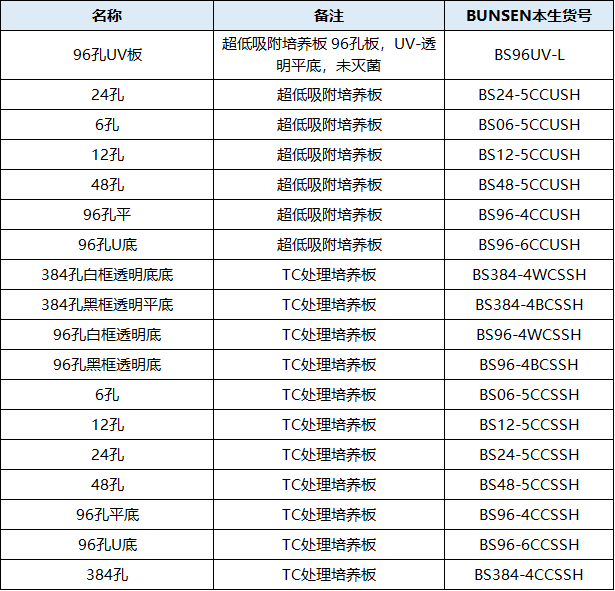
    The entire process of opening the lid must be carried out inside a cleanbench to avoid contact with the coating on the bottom of the wells and to prevent damage to the performance of the low-binding, which could lead to unintended cell adhesion.

    When dispensing the sample, ensure that the pipette tip does not come into direct contact with the bottom of the well, to prevent scratching the hydrogel coating, which could affect subsequent cell spheroid formation.

    When changing the culture medium during cultivation, proceed gently, using the ‘half-volume’ method to avoid directly aspirating the cell clusters from the bottom of the well, thereby ensuring that the clusters remain intact and do not disperse.

    If fluorescence imaging is required, the black-background, transparent version may be selected directly; this not only eliminates fluorescence crosstalk between wells but is also compatible with direct observation under an inverted microscope, eliminating the need for transfer specimen.

    Applications of 96-well U-bottom plates low-binding culture plate

    Note: The information on the scientific research products above is for reference only!