Blog

  • Pipette Tip Sizes Explained: 10, 200 and 1000 µL

    A pipette tip is the last thing between the sample and the experiment, so the volume range printed on the box is only the first of several decisions. The three sizes below cover almost all routine laboratory pipetting, but they are not interchangeable, and the grade you choose within each size matters just as much as the size itself.

    10 µL pipette tips (white)

    These are the tips used for the smallest volumes in the laboratory, matched to pipettes with a 0.5–10 µL range. The tips are finely drawn and most are extended-length, so they reach the bottom of a 0.2 mL PCR tube or a 0.2 mL microcentrifuge tube without the barrel of the pipette touching the rim.

    Applications. Setting up qPCR reactions, diluting primer and probe stocks, preparing single-cell sequencing libraries, and adding restriction enzymes to a digestion. At this scale the quality of the tip shows up directly in the pipetting CV, which can be held to within about 1 % — the difference between recovering a precious reagent and losing it to a systematic under-delivery.

    What to choose. For high-sensitivity nucleic acid work, take the extended-length filtered version, certified DNase-free, RNase-free and pyrogen-free, because an aerosol bridge is the classic route to a false positive. For routine dispensing where contamination is not a concern, the standard bagged tip is the cheaper option.
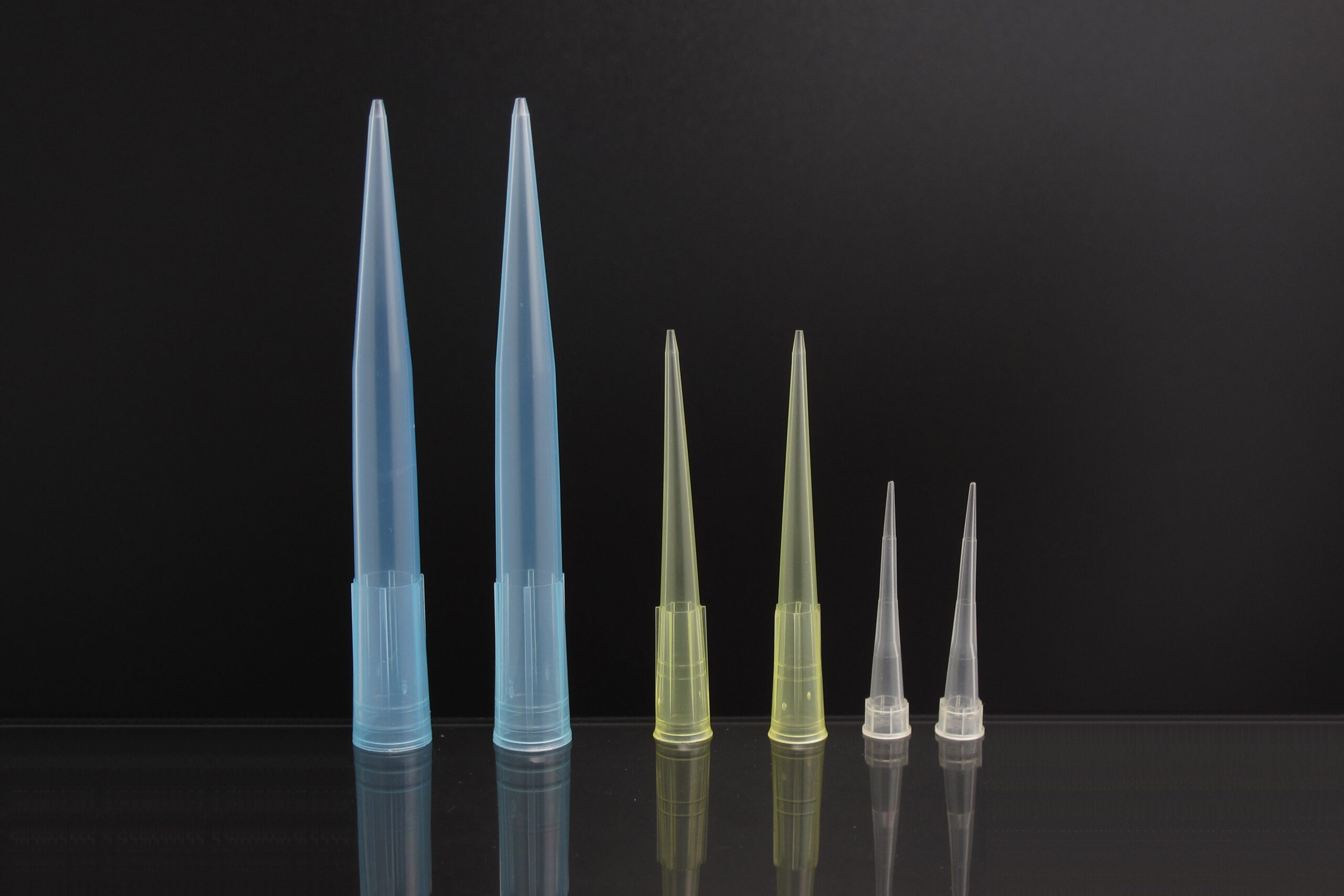
    10 uL, 200 uL and 1000 uL pipette tips — white, yellow and blue volume colour coding

    200 µL pipette tips (yellow)

    The workhorse size in most laboratories, matched to pipettes with a 20–200 µL range, and the tip with which most routine work in 96-well plates and centrifuge tubes is done.

    Applications. Filling ELISA plates, setting up routine PCR, serial dilution of serum samples, protein quantification, sample transfer, Western blot preparation and buffer make-up. The 200 µL tip is also the size that fits 8- and 12-channel multichannel pipettes, which is what makes 96-well work practical.

    What to choose. For high-volume routine handling, buy the bulk bag and keep the cost per tip low. For qPCR, cell culture and anything where an exogenous nuclease or endotoxin would matter, take the pre-sterilised racked version — it arrives ready to load, removes the contamination risk of repacking by hand, and drops straight into an automated pipetting platform.

    1000 µL pipette tips (blue)

    The large-volume standard, matched to pipettes with a 100–1000 µL range. The barrel is wide, most tips carry clear graduations, and some are available in an extended length.

    Applications. Aliquoting medium and buffer, transferring large volumes of lysis or wash buffer in nucleic acid work, gently adding medium during a medium change on adherent cells, and preparing bulk biochemical reagents. One 1000 µL delivery replaces a string of small-volume pipetting steps, and it is both faster and more reproducible.

    What to choose. For cell culture, take the sterile tip with a smooth, burr-free orifice so that the tip cannot scratch the cell monolayer. For nucleic acid extraction, viral testing and any other high-contamination-risk workflow, use a tip with a hydrophobic filter, which blocks aerosol and protects both the pipette barrel and the next sample.

    General rules for choosing pipette tips

    Fit matters more than volume. A tip has to be matched to the brand and model of the pipette it will be used on, not only to the volume range. A tip that merely fits can seal poorly, leak, or deliver outside tolerance.

    Material. Pipette tips are moulded from medical-grade polypropylene (PP), which resists acids and alkalis and withstands autoclaving at 121 °C, so it covers the great majority of standard laboratory applications.

    Low retention. Where the sample is a low-abundance protein or a rare nucleic acid, a low-retention tip is worth the extra cost: non-specific binding to the tip wall can be held below about 0.1 %, which is often the difference between recovering the sample and losing it.


    Note: The information on the scientific research products above is for reference only!
  • How to Choose Centrifuge Tubes: 15 mL, 50 mL or Micro

    How to choose a centrifuge tube

    Choosing a centrifuge tube is not a matter of picking a size off the shelf. The tube has to match the material you are spinning, the force the run requires, and the way the sample will be handled afterwards. Get it wrong and the failure mode is not a poor result — it is a cracked tube, a lost pellet, or an aerosol release into the rotor chamber.

    Start with the material

    For standard molecular work, polypropylene (PP) is the sensible default. It handles −20 °C to 120 °C, survives autoclaving at 121 °C, and resists most acids and alkalis, which is why it is the material most laboratory tubes are made from.

    Some applications need something else. Ultracentrifugation calls for thin-walled polycarbonate (PC), because the wall has to be light and strong enough to take very high g-forces. Liquid nitrogen storage calls for a tube rated for cryogenic service, such as polyethylene (PE). Strong organic solvents and aggressive reagents are better handled in PTFE or PFA. Glass tubes are for low-speed work only — they should never be run above their rated speed.

    Choose the bottom shape

    A conical bottom collects the pellet in a small, tight point, which makes it easy to see and easy to resuspend in a small volume; it is the right choice when you are recovering a nucleic acid or protein precipitate. A round bottom spreads the load more evenly around the wall and is less prone to cracking, which is why it is used for high-speed and ultracentrifuge runs. A self-standing tube has a moulded skirt that lets it stand upright on the bench, which suits temporary sample storage.

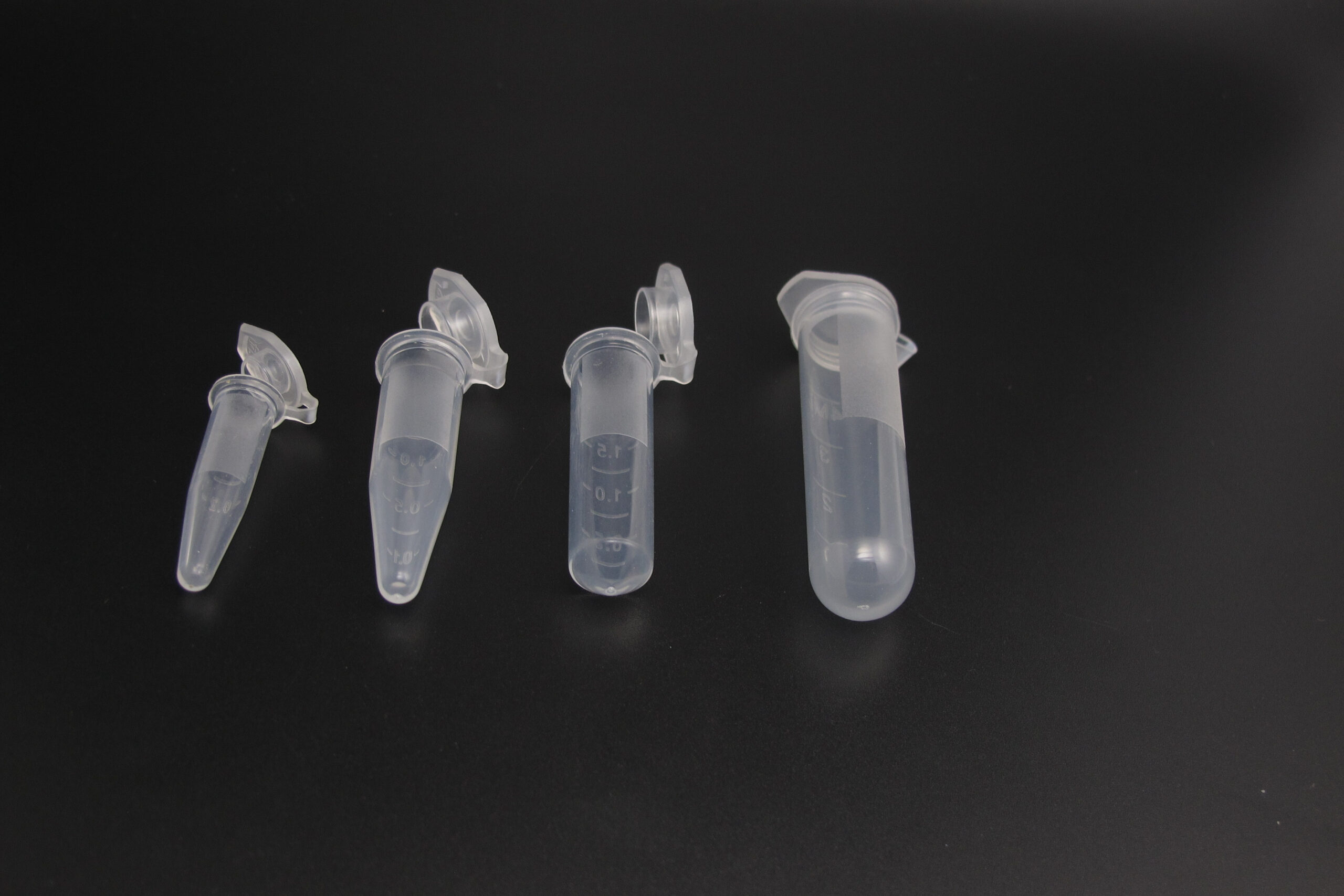
    Centrifuge tube selection — conical, round-bottom and self-standing formats with material and capacity options

    Capacity selection guide

    The table below lists what each common capacity is normally used for, and the minimum force a tube should be rated to before you put it in that role. These are application requirements, not a statement of any one product’s rating — always check the figure printed on the tube you are actually using.

    CapacityTypical useWhat to look for
    0.2 mL / 0.65 mL microtubesUltra-low-volume work: nucleic acid aliquots, holding PCR master mixRated to at least 15,000 × g; DNase-, RNase- and pyrogen-free
    1.5 mL / 2.0 mL microtubesNucleic acid extraction, routine protein precipitation, small-volume storageRated to at least 20,000 × g — the most common size in a molecular laboratory
    15 mL conicalMedium-volume bacterial culture, larger nucleic acid precipitates, reagent aliquotsConical bottom, fits standard benchtop rotor buckets, rated to at least 6,000 × g
    50 mL conicalHigh-throughput processing, cell suspension harvest, bulk medium preparationScrew cap, O-ring option for leak protection, rated to at least 12,000 × g
    250 mL / 500 mLLarge-scale cell harvest, industrial sample processingFor floor-standing centrifuges only; never run above the rated limit

    Operating practice

    Inspect before use. Check every tube for cracks, deformation and a cap that still seals. Confirm that the tube and cap actually fit the rotor bore you are about to use, and that any writing area or graduation is still legible.

    Fill and balance. Never fill above about two-thirds of capacity — the headspace is what stops liquid being forced against the cap as the rotor accelerates. Tubes placed opposite each other must match to within 0.1 g. With an odd number of samples, prepare a balance tube of the same type, filled to the same volume with buffer.

    rpm is not ×g. Rotational speed and relative centrifugal force are different quantities, and the same rpm produces a very different ×g on a rotor of a different radius. Work from the RCF rating on the tube, not from the number on the dial, and never exceed it.

    Let cold tubes equilibrate. A tube taken straight out of a freezer and loaded into a rotor can crack as the wall warms unevenly. Let it stand at room temperature for about five minutes first.

    High-risk handling

    For toxic or infectious material, use a screw-cap tube with an O-ring seal, and autoclave the tube at 121 °C for 30 minutes before disposal.

    If a tube breaks during a run, switch the centrifuge off and leave the lid closed for 30 minutes so that the aerosol can settle. Then put on double gloves and safety glasses, remove the fragments with forceps, and wipe the chamber down twice.

    In an ultracentrifuge, fill the tube as specified for that rotor — a partly filled tube can collapse under vacuum. Polypropylene tubes can be reused, but they should be retired once cumulative exposure approaches about 80 % of the rated force, because repeated loading fatigues the wall.


    Note: The information on the scientific research products above is for reference only!
  • Semi-Skirted vs Full-Skirted vs Non-Skirted PCR Plates

    What the skirt on a PCR plate actually does

    A PCR plate’s skirt is the raised plastic frame around the outside of the well array. It has nothing to do with sealing the wells — it exists to give the plate rigidity and to give instruments something to hold. The three formats you will find on a laboratory shelf (non-skirted, semi-skirted and full-skirted) differ only in how much of that frame is present, but that single difference decides which thermal cyclers, sealers and robotic handlers the plate will work with.

    Structure and parameter comparison

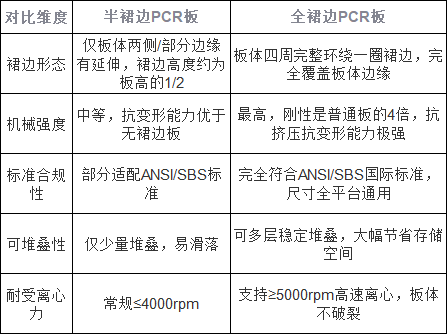
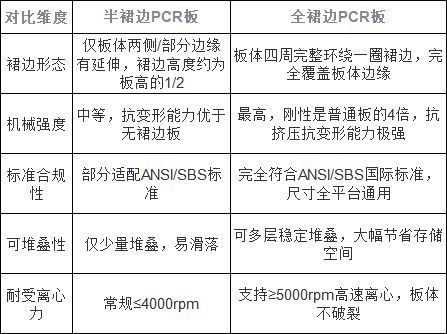
    96-well PCR plate skirt formats compared — semi-skirted and full-skirted
    96-well PCR plate skirt formats compared — semi-skirted and full-skirted

    The difference between a semi-skirted and a full-skirted 96-well PCR plate comes down to three things: how rigid the plate is, which instrument can grip it, and therefore what kind of workflow it suits. Both are among the most widely used 96-well formats in molecular biology laboratories, but they are not interchangeable.

    Differences in applicable scenarios

    Semi-skirted PCR plates — the manual and semi-automated workhorse

    A semi-skirted plate has a raised rim on two opposite sides only. That is enough to seat it firmly in the block of almost every standard PCR and qPCR instrument, including manual-loading models from ABI and Roche, which makes it the default choice for routine amplification and genotyping.

    The two skirted edges also give you somewhere to write. Sample IDs, dates and run conditions can be marked directly on the plate, or a QR label can be applied, so manual runs stay traceable without a separate log sheet.

    Some mid-range liquid handlers can grip a semi-skirted plate by its rim and pipette directly into the wells. That makes it a practical compromise for small to medium-throughput projects, where a lab wants some automation without committing to a fully enclosed workflow.

    Full-skirted PCR plates — built for fully automated platforms

    A full-skirted plate has a continuous frame around all four sides. The unbroken outer edge lets a robotic arm locate and grip the plate repeatably, which is why it is the standard format for automated nucleic acid extraction workstations and high-throughput screening systems.

    The frame also makes the plate considerably stiffer. It withstands the clamping force of press-fit caps and the heat and pressure of a heat sealer without warping, and it keeps its shape through long-term storage, so a full-skirted plate is the safer choice for a large specimen archive.

    For that reason it is the usual format in third-party testing laboratories, high-throughput sequencing centres and pharmaceutical screening groups, where plates have to be processed in unattended batches and daily throughput is the constraint that matters.

    Non-skirted PCR plates — the cheap option, and when it is enough

    A non-skirted plate is simply the well array with no frame at all. It is the cheapest of the three and fine for low-volume manual work in a benchtop thermal cycler, but it flexes more easily, offers nowhere to write, and cannot be gripped by a robot. It is also the format most likely to need a support frame or adapter before it can be centrifuged.

    Operating notes

    Semi-skirted plates. During high-speed centrifugation, seat the plate in a support frame or adapter. Without it the two unsupported edges can flex under load, and the plate will not sit flat afterwards.

    Full-skirted plates. Check that the thermal cycler block is designed to accept a full-skirted plate before loading it. On some instruments the skirt fouls the block, the plate sits slightly proud of the heating surface, and heat transfer to the wells drops — which shows up later as inconsistent amplification.

    Sealing. Both formats accept adhesive sealing film and optical flat caps. The full-skirted plate can additionally take aluminium foil heat seals and press-fit caps, because its frame gives the sealer and the cap something to bear against.


    Note: The information on the scientific research products above is for reference only!
  • How a Mini Centrifuge Works (and When to Use One)

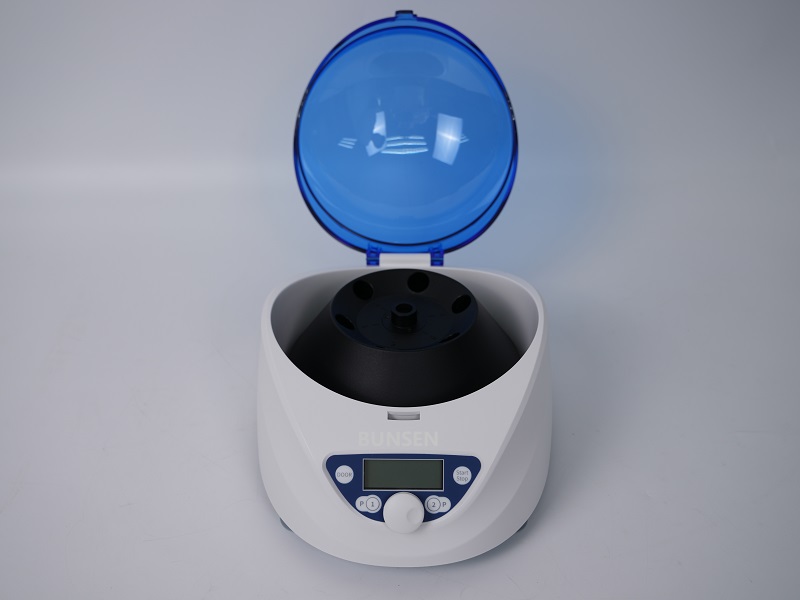
    Compact benchtop centrifugation The operating principle of this compact benchtop centrifugation unit is based on a miniature brushless DC motor driving the rotor to rotate at high speed, thereby generating a centrifugation force field far greater than gravitational force. This accelerates the sedimentation and stratification of components of different densities within the mixture, enabling highly efficient separation of trace amounts specimen within a compact footprint.

    The physics of separation

    By utilising inertial forces centrifugation in place of gravity, the settling process—which would otherwise take several hours under the influence of gravity—is completed in a matter of seconds to minutes, resulting in a several-hundred-fold increase in separation efficiency.

    The formula for calculating the relative centrifugal force (RCF) is: RCF = 1.118 × 10⁻⁵ × r × (RPM)², where r is the rotor rotation radius (in cm) and RPM is the rotational speed ( The formula for calculating the force (RCF) is: RCF = 1.118 × 10⁻⁵ × r × (RPM)², where r is the rotational radius of the rotor (in cm) and RPM is the rotational speed per minute. This directly reflects the actual separation efficiency and serves as the core basis for standardising the experiment.

    Components of different densities and particle sizes exhibit significant differences in their settling rates in the centrifugation force field: particles with higher density and larger particle size settle rapidly to the bottom of the tube to form a precipitate, whilst components with lower density remain in the upper layer to form a supernatant, thereby achieving stratification.

    How a small desktop centrifugation machine works

    How a mini centrifuge is built

    Drive system: Utilises a miniature brushless DC motor, accelerating to maximum speed in 13–20 seconds, with extremely rapid start-stop response and an operating noise level of ≤60 dB, making it suitable for deployment close to a desk.

    Rotor system: Mostly tool-free, quick-release composite rotors, compatible with the full range of laboratory micro-volume consumables, including 0.2 mL PCR tube, 1.5 mL/2 mL microcentrifuge tube and other laboratory microvolume consumables across the entire range; some models can be adapted for use with 96-well plates PCR plate via adapters.

    Safety control system: Features a built-in automatic imbalance detection module which automatically stops the machine and triggers an alarm when the weight difference between the symmetrical tubes exceeds the threshold; this works in conjunction with the electronic lid lock interlock to prevent safety risks caused by operation with an imbalance.

    Chamber structure: Features a stainless steel sealed centrifugation chamber with no hygiene dead zones; after experiments, it can be wiped down directly with 75 per cent ethanol to prevent specimen cross-contamination.

    How separation runs in practice

    centrifugation Sedimentation mode: This is a mode commonly used in small benchtop centrifugation machines. The drum wall is solid, and the mixture rotates with the rotor; particles with higher density settle directly to the bottom of the tube. It is widely used in nucleic acid extraction, serum separation, and instantaneous centrifugation in PCR systems, amongst other applications.

    Microfiltration mode‌: When used in conjunction with spin column and centrifugation, which contain filter media, a force drives the liquid through the filter membrane, whilst solid particles are retained on the membrane, enabling nucleic acid, adsorption and protein ultrafiltration and other micro-purification operations, serving as a core support mode for molecular biology experiments.


    Note: The information on the scientific research products above is for reference only!
  • PCR Plates and Sealing Film: How to Match Them to Your Protocol

    PCR consumables get treated as commodities, but two decisions determine whether a run works: whether the plate physically and thermally fits your instrument, and whether the seal survives 40 cycles at 95 °C. Everything else is packaging.

    Skirt style decides what the plate fits

    • Non-skirted — the cheapest, and compatible with the metal block of traditional PCR instruments. It flexes, so it is a poor choice for robotic handling.
    • Semi-skirted — fits the large majority of qPCR instruments and automated workstations. This is the practical default if you are unsure.
    • Fully skirted — rigid, with a raised tab that robotic grippers can locate, which prevents misalignment during high-throughput handling. Also the most stable choice if the same plate is used as a storage index.

    Material and well volume

    Medical-grade polypropylene is the standard because it is thin-walled and thermally uniform. Thin walls matter more than they sound: they transfer heat faster, and a well-made thin-walled plate cycles roughly 30 % faster than a thick-walled one, which shortens the run and reduces non-specific amplification.

    Choose 96-well for routine work and 384-well only when you genuinely need the throughput — the working volume drops and pipetting tolerance becomes tighter. Well volume must match the instrument’s thermal module: 0.1 mL and 0.2 mL formats are not interchangeable.

    Biosafety labels that matter

    Confirm the plate is stated as DNase-free, RNase-free and pyrogen-free. On a qPCR plate these are not marketing terms: exogenous nucleic acid produces false positives, and nuclease contamination causes Ct drift that looks like a biological effect and is not.

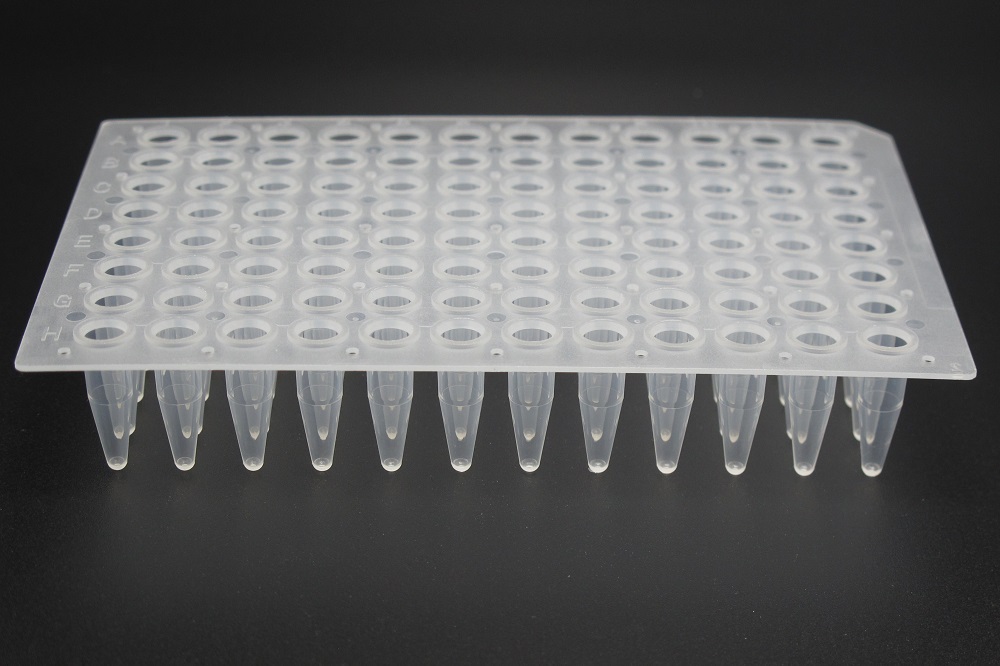
    PCR plates and sealing film: selection and correct sealing

    Matching the sealing film to the application

    The film exists to stop evaporation and contamination, but the wrong film can also block the optics or fail at temperature. Match it to the run, not to what is in the cupboard.

    ApplicationFilm typeWhat it must do
    Standard PCRPP adhesive or aluminium foil heat seal−40 to 120 °C, hold pressure through 95 °C cycling
    qPCROptical pressure-sensitive filmTransmission above 90 %, low autofluorescence
    Storage at −80 °CThickened adhesive filmVery low water-vapour transmission, no embrittlement
    Automated workstationsHeat-seal filmThickness tolerance ≤ ±0.02 mm for automated sealers
    Culture-adjacent PCRBreathable filmGas exchange without spillage or cross-contamination

    A sealing procedure that survives thermal cycling

    1. Prepare the bench. UV the work surface for 30 minutes and wear powder-free gloves. Reseal the bag immediately after removing one film — the rest of the pack has to stay nuclease-free.
    2. Apply at an angle. Peel the backing along the tangent, align one end with the plate edge, and smooth the film down at about 30° so you are pushing air ahead of the adhesive rather than trapping it.
    3. Do not touch the adhesive. Contact anywhere on the glue layer is how bubbles and creases start.
    4. Press evenly. Using a smooth-edged applicator or card, press twice horizontally and twice vertically, working the edges and the gaps between wells. Firm, not brutal — excessive pressure pushes liquid out of the wells.
    5. Inspect every well. No gaps at the edge, no creases across the surface.
    6. Let it set, then spin. Leave the sealed plate for 10 minutes so the adhesive bond strengthens, then brief-centrifuge at 500 ×g for one minute to bring liquid and bubbles down before the run.

    Common failure modes

    • Film lifting at one corner after 30 cycles — usually a plate that was not dry at the rim, or the wrong film for the temperature.
    • High fluorescence background in qPCR — an opaque or high-autofluorescence film instead of an optical one.
    • Film delaminating in the freezer — an adhesive film not rated for −80 °C.
    • Evaporation from edge wells — an incomplete seal that only shows up in the outer columns.

    Note: The information on the scientific research products above is for reference only!
  • 96-Well Round-Bottom Deep Well Plates: Performance and Uses

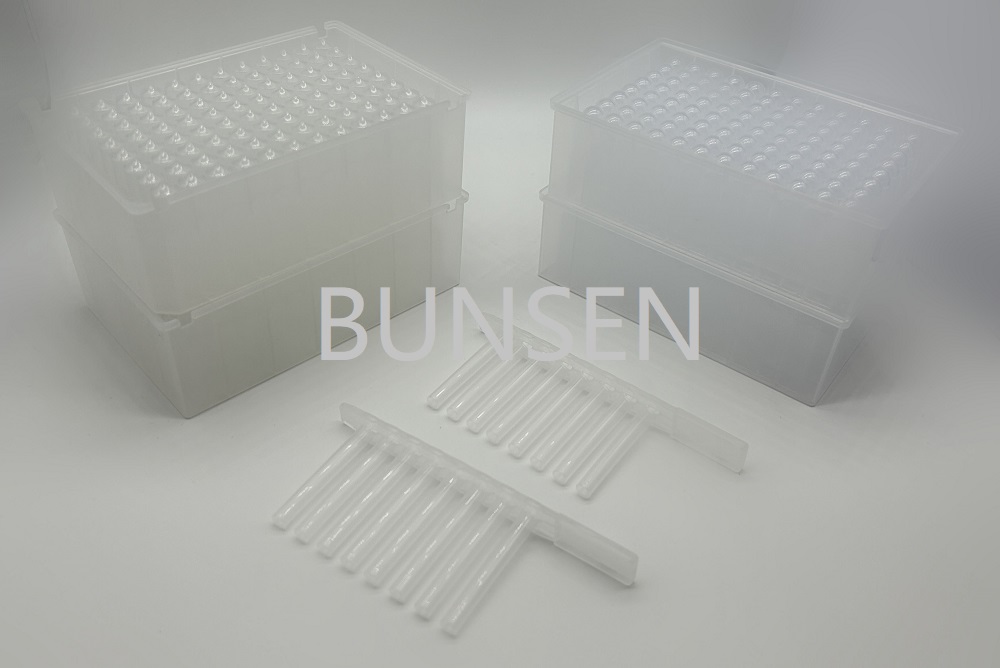
    The BUNSEN BUNSEN 96-well round-bottom deep well plate is a specialist laboratory consumable designed for high-throughput experiments. Its key advantage lies in the combination of a round-bottom design and a large-volume structure, which ensures both efficient sample processing and experimental stability.

    What these plates are for

    High-throughput specimen storage ‌: Can replace standard 1.5 mL tubes centrifuge tube, allowing for the neat storage of samples such as DNA, RNA, protein substances and compounds, thereby significantly saving storage space in -80°C freezers and facilitating specimen batch management of collections.

    Molecular biology experiments: These are core consumables for experiments such as automated magnetic bead-based nucleic acid extraction, plasmid extraction, NGS library preparation and immunoprecipitation, supporting high-throughput operations throughout the entire process—from lysis to washing and elution.

    Drug R&D Screening: Used for the storage, dilution and dispensing of compound libraries, supporting experiments such as high-throughput drug activity screening, siRNA library screening and hybridoma cell screening, thereby significantly improving screening efficiency.

    Sample preparation procedure: Working in conjunction with multi-channel pipettes or automated equipment, this system enables the batch processing of protein preparation steps—including precipitation, liquid–liquid extraction and solid-phase extraction. Following preparation, samples can be fed directly into a liquid chromatography autosampler, eliminating the need for tedious operations such as transferring samples between vials.

    Suspension cell and microbial culture: The round-bottomed design facilitates the growth of suspension cells, bacterial culture and subculturing; it ensures uniform mixing during shaking, thereby preventing dead zones residue.

    Applications, performance and characteristics of the 96-well round-bottom deep well plate

    Design and performance

    Exclusive round-bottom design: The U-shaped round-bottom structure promotes the efficient resuspension of sedimented cells or magnetic beads, ensuring uniform mixing during shaking and incubation, whilst eliminating the sharp corners found in V-bottom designs that are prone to residue liquid leakage; it is also compatible with the vast majority of pipette tips and automated liquid handling probe.

    Material and Resistance Properties: Manufactured from medical-grade polypropylene (PP), it is resistant to acids, alkalis, alcohols, DMSO and most other organic solvents. It can withstand prolonged exposure to temperatures ranging from -80℃ to storage, and is also suitable for high-temperature, high-pressure sterilisation at 121℃ sterilized.

    Compatible with high-throughput and automated systems: The entire plate can process 96 samples simultaneously; its dimensions strictly comply with the ANSI/SBS international standard, enabling seamless integration with liquid-handling workstations, robotic arms, multi-channel pipette guns and other equipment to achieve a fully automated experimental workflow.

    Biosafety assurance: Manufactured in a Class 100,000 cleanroom; third-party testing confirms the product is free from DNase, RNase, pyrogen-free, endotoxin-free; available in two versions—gamma-irradiated sterilized and non-irradiated sterilized—to meet sterile experimental requirements.

    Flexible sealing solutions: Supports a variety of sealing methods, including heat-sealable film (excellent airtightness, suitable for long-term cryopreservation), silicone gaskets (permeable for sampling) and specialised snap-on lids (convenient for repeated opening and closing), to suit different experimental scenarios.

    Excellent mechanical strength: it can withstand forces of 3,000–4,000 g centrifugation without breaking or deforming; the sheet is free from bubbles, streaks and liquid leakage, the wall thickness of the holes is uniform, and specimen the distribution is highly consistent.

    Note: The product information above is for reference only!

    BUNSEN BUNSEN offers a product range of over 10,000 items, which are widely used in research institutions, central laboratories and the field of molecular biology. The company’s extensive product range not only meets the specific requirements of R&D clients regarding product variety and packaging, but also caters to the comprehensive needs of manufacturing enterprises at every stage, from small-scale and pilot-scale trials through to large-scale production.


    Note: The information on the scientific research products above is for reference only!
  • 15 mL Centrifuge Tubes: What They Are Used For in the Lab

    15ml centrifuge tube is a staple consumable in the fields of biopharmaceuticals, chemistry and scientific research. Thanks to its moderate capacity, high compatibility and safe, stable performance, it is suitable for the vast majority of routine experimental scenarios, ranging from cell culture to molecular testing.

    Cell biology

    The 15 ml centrifuge tube is a frequently used consumable in cell-related procedures and is suitable for the vast majority of standard cell processing workflows:

    Collection and concentration of cell suspensions: After pancreatic enzyme digestion of adherent cells, centrifuge the suspension directly at a low speed of 1000–1500 rpm centrifugation, replace culture medium or resuspend the cells to avoid the risk of contamination from repeated aliquot use of 1.5 ml tubes.

    sterile System operation: DNase/RNase-free The pyrogen-free sterilized variant can be used directly in intermediate steps of cell passaging, primary cell isolation and immune cell culture, and is compatible with standard rotors for the vast majority of benchtop centrifugation machines.

    Mild specimen Protection: U-shaped base centrifugation Cell sediment at the back is distributed in a thin layer and is not excessively compacted by the pointed base structure, significantly reducing mechanical damage during resuspension and better maintaining cell viability.

    Scientific applications of 15 ml centrifuge tube

    Molecular biology

    15ml centrifuge tube We undertake end-to-end processing for small and medium-sized specimen:

    protein Purification and processing: Following on from protein crude extraction and antibody purification, separation of the supernatant from immunoprecipitation, buffer elution and other steps; some ultrafiltration units with a 15 ml capacity centrifuge tube can also directly achieve protein rapid concentration by a factor of 25–50.

    enzyme Preparation of reaction mixtures: suitable for medium-scale PCR systems; enzyme preparation of premixes to facilitate reactions and brief incubation; the clear graduations on the tube body facilitate rapid volume adjustment.

    Sample collection and transport

    In testing and biological specimen library work, 15 ml centrifuge tube is the tool of choice for batch specimen pre-processing:

    specimen Separation: Directly performs the separation of plasma and blood cells from blood specimen, serum separation, and the precipitation of impurities in urine, cerebrospinal fluid and other fluids specimen, suitable for standard clinical centrifugation conditions of 3000–5000 x g centrifugation.

    specimen Short-term storage: PP material can withstand temperatures as low as -80°C; the markings on the walls of the frosted tubes will not become blurred or peel off even after repeated freeze-thaw, thus preventing specimen confusion.

    Multiple batches specimen aliquot : Batch aliquot culture medium, buffer, test reagents; the scale error on the tube body is controlled within ±2 per cent, enabling rapid quantification without the need for an additional measuring cylinder.

    Chemistry and general lab support

    In addition to biology experiments, it also meets a wide range of basic requirements for standard chemistry experiments:

    Handling of corrosive reagents: High-purity PP material is resistant to corrosion by the vast majority of acids, alkalis and common organic solvents, and is used for the temporary storage, mixing and low-speed centrifugation purification of small to medium volumes of chemical reagents.

    General-purpose specimen centrifugation Centrifugation: Used for the precipitation of impurities in environmental water samples, the separation of layers in soil leachates, and phase separation following the extraction of small-molecule compounds; suitable for standard centrifugation centrifugation forces of 7500xg or higher.

    Universal compatibility with laboratory consumables: the standard outer diameter is compatible with rotors for almost all brands of benchtop centrifugation centrifuges, eliminating the need for additional adapters for specialised equipment and significantly reducing the cost of purchasing laboratory consumables.


    Note: The information on the scientific research products above is for reference only!
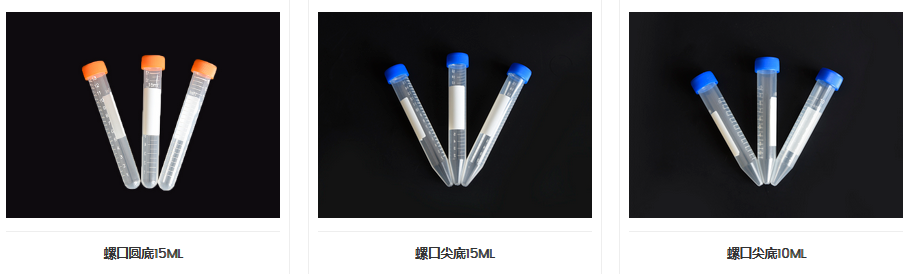
  • 10 mL Round-Bottom Tubes and Conical Tubes: Where Each Fits

    A 10 mL round-bottom tube and a 10 mL conical-bottom tube hold the same volume. They are not interchangeable, because the shape of the base decides what the tube is good at: one is built for volume and force, the other for recovering a pellet.

    The difference is the base

    A round base spreads stress evenly, so it tolerates higher g-force and larger volumes without cracking. A conical base concentrates solids into a tip, so you can pipette off supernatant without disturbing what you want to keep. Everything else — caps, material, graduations — is secondary to that one geometric choice.

    Round-bottom, screw cap: volume and force

    With a smooth base and uniform wall stress, round-bottom tubes tolerate higher centrifugation forces. That makes them the right choice for density-gradient work and for spinning down large sample volumes where a conical tube would concentrate everything into a tip you cannot easily resuspend.

    The wide base also helps in less obvious ways. Solids are less likely to lodge in a corner, so cleaning is easier, and mixing is more effective because there is no dead zone at the bottom.

    In PP they autoclave at 121 °C, and the one-piece design including the cap makes them convenient for routine biochemistry, batch pre-treatment of environmental water samples, and temporary storage. They also handle −80 °C, so short-term cryopreservation of standards and reagents works without extra sealing hardware.

    10 mL round-bottom tubes with caps and conical-bottom centrifuge tubes compared

    Conical bottom: pellets you can actually see

    The pointed base does one job extremely well: it collects the pellet at a single point. For nucleic acid purification, protein precipitation and cell pelleting, that concentration is the difference between recovering most of your sample and losing it against a large flat surface.

    It also makes aspiration cleaner. The pipette tip can reach the supernatant above a compact pellet without dragging through it, which is what you want for cell culture work, microorganism collection and isolation from clinical or environmental samples.

    The screw cap with an internal gasket seals harder than a push cap, so conical tubes are the better choice for extracting or transporting volatile reagents and for sample shipment where the seal has to hold for days.

    The tip is also useful at the bench: it fits into narrow openings, so liquid can be drawn out of the tube directly, which suits assays and micro-chemical work where recovery of a small volume matters.

    Side by side

    Round-bottom, screw capConical bottom
    Best atVolume, high g-force, mixingPellet recovery, clean aspiration
    Weak atRecovering small pelletsVery high g-force, large-volume mixing
    Typical useDensity gradients, water samples, reagent storageNucleic acid and protein prep, cell pelleting
    SealGoodBetter — gasket screw cap

    Choosing in practice

    If the experiment ends with “remove the supernatant and keep the pellet”, use conical. If it ends with “keep the liquid” or “spin a large volume fast”, use round-bottom. If you are storing rather than separating, round-bottom gives you more usable volume for the same tube length, and the flat base stands up on its own.

    The common mistake is buying one type for the whole lab to simplify ordering. It works until someone tries to pellet 10⁶ cells in a round-bottom tube and wonders where the pellet went.


    Note: The information on the scientific research products above is for reference only!
  • Disposable Culture Dishes: Material, Size and Sterilisation

    Choosing a disposable culture dish comes down to three things: the material, the size, and how it was sterilised. Get those right and the rest — surface treatment, stacking, packaging — usually sorts itself out.

    Material: polystyrene is the default

    Polystyrene (PS) is the standard for a reason. It is highly transparent, has a smooth surface that is easy to read under a microscope, and most dishes receive a TC (tissue culture) hydrophilic treatment that makes it suitable for adherent cell culture and routine microbiology at a reasonable price.

    Its limits are absolute: PS does not tolerate ethanol, acetone or other organic solvents, and it cannot be autoclaved. If the experiment involves either, you need a different material.

    Polypropylene and the speciality plastics

    Polypropylene (PP) is chemically resistant, survives 121 °C autoclaving, and is tough enough that it rarely cracks in handling. It suits organic solvents, work that needs high- or low-temperature storage, and suspension culture. The trade-off is optical quality — PP is noticeably hazier, so it is a poor choice for high-magnification observation.

    Beyond those two, materials become purpose-specific. Polycarbonate (PC) offers high toughness with good clarity and appears in optical work. Cycloolefin copolymer (COC) has low protein adsorption and high light transmission, which makes it the right answer for fluorescence imaging and other high-sensitivity detection. Both cost considerably more, so specify them only when the assay needs them.

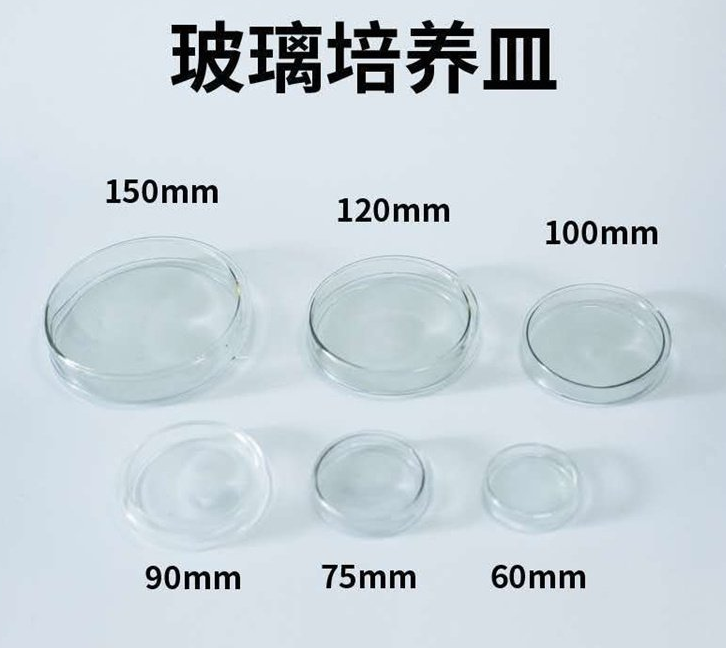
    Disposable culture dish selection: material, size and sterilisation method

    Standard sizes and working volumes

    Round dishes follow a small number of standard diameters. The working volume matters as much as the diameter: too little medium and the culture dries at the edges, too much and gas exchange suffers.

    DiameterGrowth areaWorking volumeTypical use
    35 mm~8 cm²2–3 mLSmall-scale observation, single-cell cloning
    60 mm~21 cm²4–6 mLRoutine passaging, preliminary drug screening
    90 mm~64 cm²15–20 mLMicrobial colony counting, settle plates
    100 mm~55 cm²10–15 mLLarger-scale expansion, virus culture
    150 mm~145 cm²25–30 mLHigh-throughput culture, strain expansion

    Multi-well plates (6-, 12-, 24- and 96-well) and square dishes cover the cases where you need many parallel conditions in one footprint.

    Sterilisation: gamma versus ethylene oxide

    Gamma irradiation suits almost every plastic used for dishes, penetrates the packaging, leaves no residue and does not degrade the polymer at normal dose levels. It is the default for cell culture.

    Ethylene oxide (EO) is reserved for materials that cannot take gamma. It works, but you must confirm that residual EO is within the limits set by the relevant standard — residue that stays on the plastic can affect cell growth just as surely as contamination would.

    What the labels should say

    A compliant single-use dish carries a sterility assurance level (SAL) of 10⁻⁶, meaning a theoretical probability of one non-sterile unit in a million. For cell culture you also want DNase-free, RNase-free and pyrogen-free stated on the certificate, not just on the box — those three are what stop a dish from quietly changing your results.

    Choosing in one minute

    1. Adherent cells, routine work → PS, TC-treated, gamma sterilised.
    2. Organic solvents or autoclaving → PP.
    3. Fluorescence or low-adsorption work → COC.
    4. Pick the diameter from the growth area you need, then set the medium volume from the table above.

    Note: The information on the scientific research products above is for reference only!
  • Reagent Bottle Materials: What Each Plastic Can and Cannot Hold

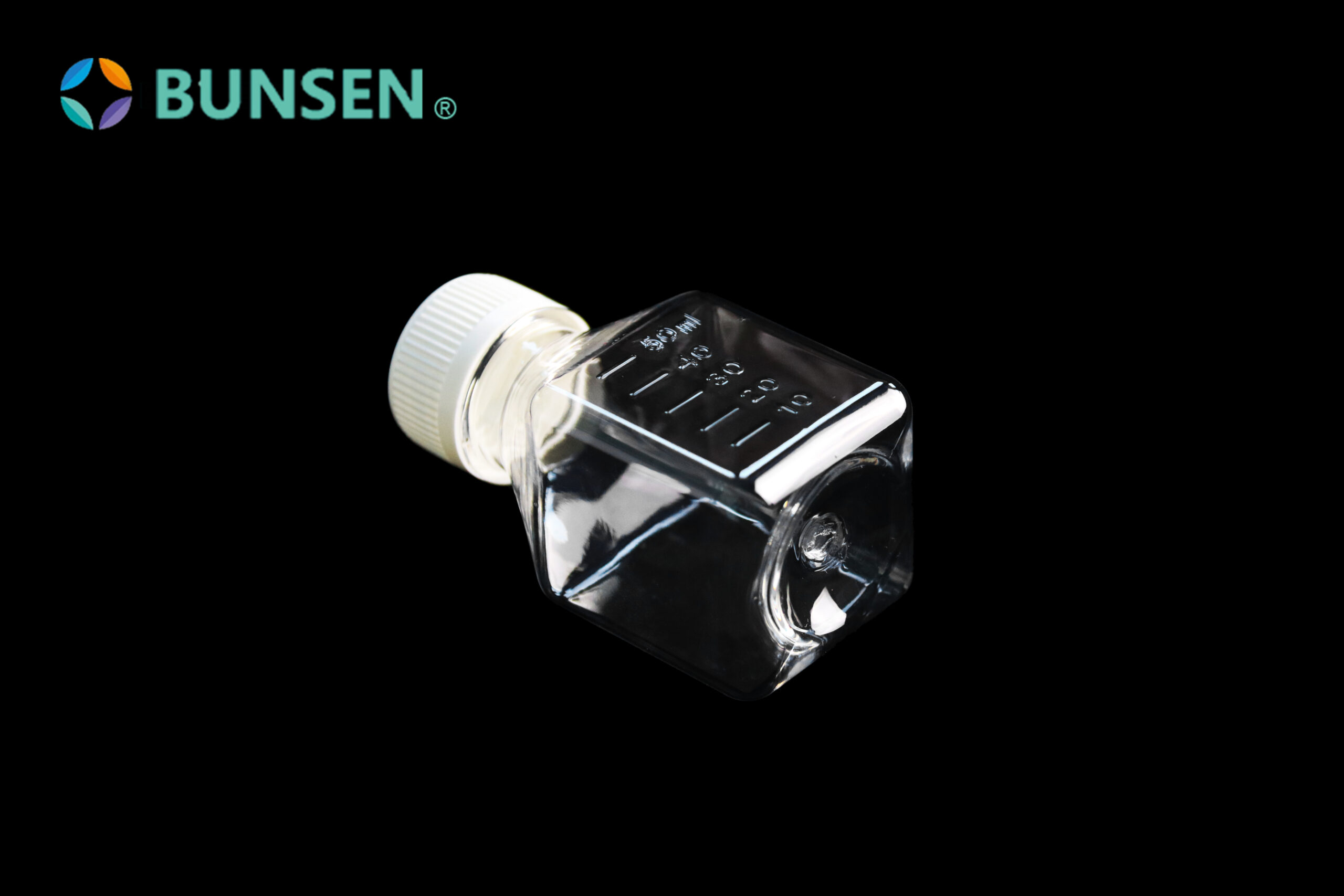
    PETG square bottles

    Feature 1: High transparency

    PETG is a highly transparent plastic with a translucent ice-blue undertone that is in line with global trends, and its surface is exceptionally smooth. It boasts excellent optical properties, a high-gloss surface and low turbidity; its light transmittance is close to 90 per cent, which is very similar to that of acrylic (PMMA) and superior to that of polycarbonate (PC).

    High impact resistance

    BUNSEN An explanation of PET, PETG and HDPE reagent bottle ?

    Low-temperature performance

    The physical and mechanical properties of PETG remain virtually unchanged at low temperatures, and it is one of the few environmentally friendly plastic materials available to date. It is considered an environmentally friendly material because, when burnt, it produces only CO₂ and water, thereby helping to protect the natural environment; furthermore, containers made from it are non-cytotoxic and pyrogen-free.

    Bottles with an integrated straw tube

    Highly adaptable transfer caps, standard Luer connectors and TPE thermoplastic tubing, all produced using single-piece injection moulding, provide sterile transfer solutions for the pharmaceutical, biotechnology and laboratory sectors, enabling the sealed transfer of liquids.

    BUNSEN An explanation of PET, PETG and HDPE reagent bottle ?

    PET square bottles

    In fact, PETG is a type of PET; both are classified as ‘No. 1’ in the plastic classification system. Compared with PET, PETG simply replaces the hydroxyl group on the ethylene glycol chain with CHDM.

    BUNSEN An explanation of PET, PETG and HDPE reagent bottle ?

    Consequently, both share very similar material advantages:

    1. It has excellent mechanical properties, with an impact strength 3 to 5 times that of other films, and good resistance to creasing.

    2. Resistant to oils, fats, dilute acids, dilute alkalis and most solvents.

    3. It can be used within a temperature range of 55–60 °C; it can withstand temperatures of up to 65 °C for short periods and temperatures as low as –70 °C, and its mechanical properties are only minimally affected by high or low temperatures.

    4. It has low permeability to gases and water vapour, whilst offering excellent resistance to gas, water, oil and odours.

    5. It is highly transparent, blocks UV rays and has a good gloss.

    6. As the most affordable engineering plastic, PET offers excellent value for money.

    HDPE bottles

    HDPE stands for high-density polyethylene

    1. As the polymerisation of ethylene is catalysed, very few branches are formed, resulting in a highly robust and dense structure that enables it to be used at 105 °C.

    2. High-density polyethylene resin is milky white in colour and has poor transparency.

    3. High-density polyethylene resin has good stiffness, tensile strength, mechanical strength and heat resistance; however, products made from it may only be used at temperatures not exceeding 80 °C.

    4. High-density polyethylene products also offer good electrical insulation, toughness and cold resistance, and can withstand low temperatures of down to –80 °C in cold storage.

    5. It has extremely low water absorption (no more than 0.03 per cent) and good chemical stability.

    Note: The product information above is for reference only!
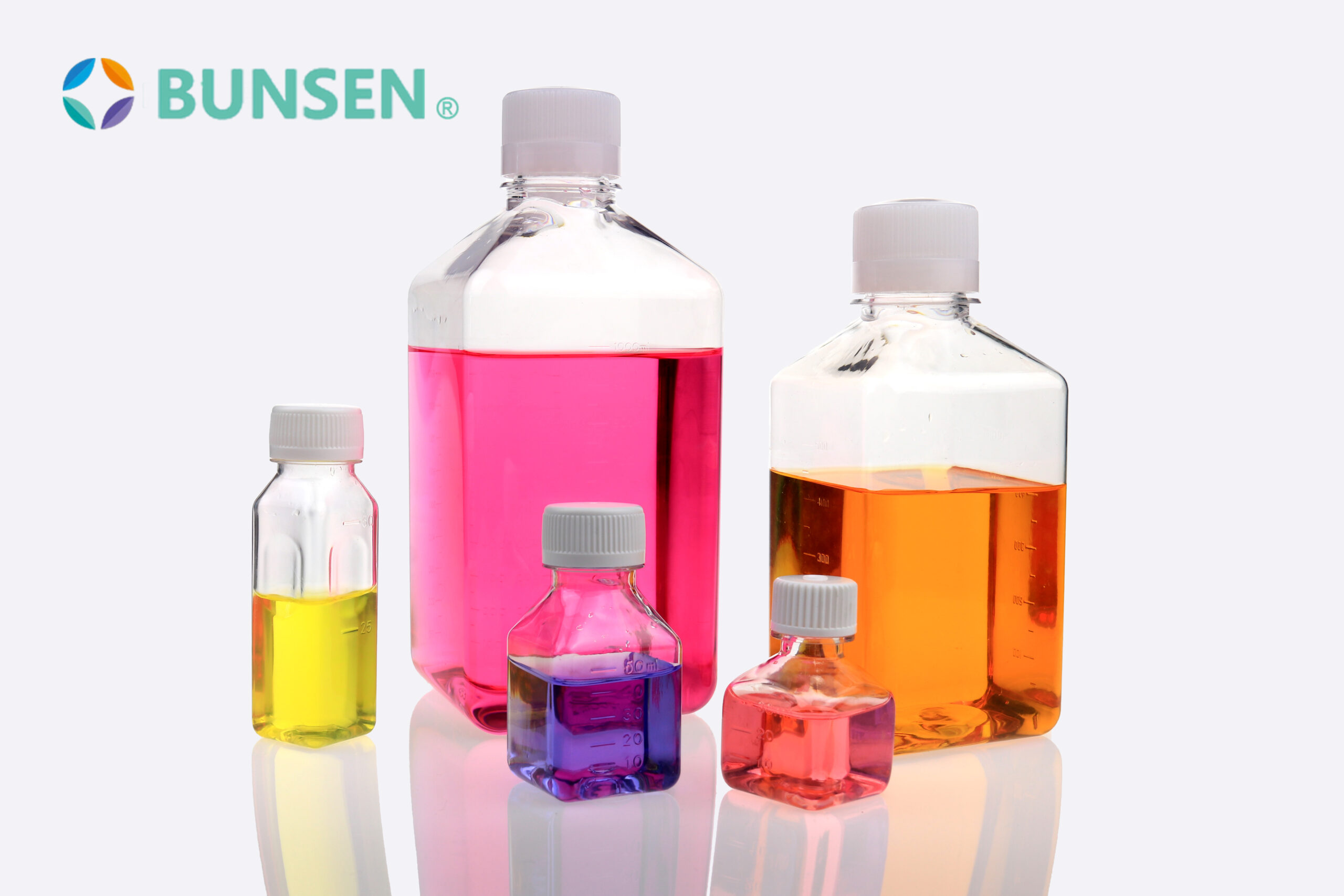
    BUNSEN An explanation of: PET, PETG and HDPE reagent bottle ? BUNSEN The company’s product range now exceeds 10,000 items and is widely used in research institutions, central laboratories, molecular biology and other scientific fields. The company’s extensive product range not only meets the specific requirements of R&D clients regarding product variety and packaging, but also caters to the comprehensive needs of manufacturing enterprises at every stage, from small-scale and pilot-scale trials through to large-scale production.


    Note: The information on the scientific research products above is for reference only!