BUNSEN — Life Science Journal
Life-Science Lab Consumables
Selection · Applications · Industry Insights
A content platform for researchers, laboratories and the life-science industry.
Featured Article
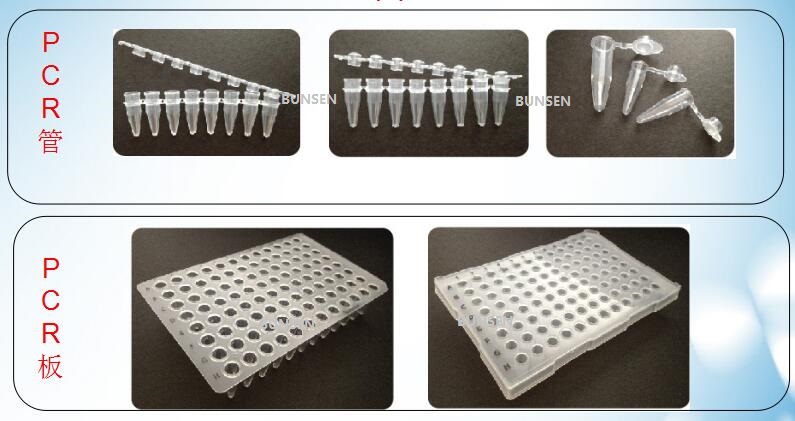
PCR plate A Comprehensive Guide to Product Applications: Experimental Scenarios and Selection Guide
PCR plate Product Application Guide PCR plate is a carrier material for enzyme chain reaction, providing a stable micro-reaction environment for DNA/RNA amplification reactions and
Latest Articles
Recent Articles
- PCR plate A Comprehensive Guide to Product Applications: Experimental Scenarios and Selection Guide
- pipette FAQs: A Beginner’s Guide to Advanced Use
- How to choose a suitable low-speed benchtop centrifugation machine for a laboratory
- Filtered Pipette Tips: Cross-Contamination Control
- Can PCR Tubes Be Reused? What Actually Happens
- Sterile Serological Pipettes, 1 mL to 50 mL, Individually Wrapped
- Pasteur Pipettes vs Serological Pipettes: What Actually Differs
- Media Bottles: What to Check Before You Buy
- Filtered and Low-Binding Pipette Tips: How to Choose
- Human IL-34 ELISA Kit: Specifications, Sample Types and FAQ
- How Long Does a Sandwich ELISA Take? Stage-by-Stage Timing
- U-Bottom Low-Binding 96-Well Plates for ELISA Pre-Incubation
- Mini Benchtop Centrifuge: Five Everyday Lab Applications
- Sterile Filtered Pipette Tips, 10 µL Extended: Uses and Fit
- How to Assess qPCR Sealing Film Quality: Five Practical Checks
- 15 mL and 50 mL Centrifuge Tubes: Maximum RCF and Seal Testing
- Centrifuge Tube Selection Guide: Capacity, Fit, Material and Seal
- 96-Well Deep Well Plates: Volume, Dimensions and Uses
- Paper vs Plastic Cryopreservation Trays Compared
- Filter Pipette Tips: Fit, Sealing and Aerosol Control
- Pipette Tip Sizes Explained: 10, 200 and 1000 µL
- How to Choose Centrifuge Tubes: 15 mL, 50 mL or Micro
- Semi-Skirted vs Full-Skirted vs Non-Skirted PCR Plates
- How a Mini Centrifuge Works (and When to Use One)
- PCR Plates and Sealing Film: How to Match Them to Your Protocol
- 96-Well Round-Bottom Deep Well Plates: Performance and Uses
- 15 mL Centrifuge Tubes: What They Are Used For in the Lab
- 10 mL Round-Bottom Tubes and Conical Tubes: Where Each Fits
- Disposable Culture Dishes: Material, Size and Sterilisation
- Reagent Bottle Materials: What Each Plastic Can and Cannot Hold
- What can affect the shelf life of an ELISA kit?
- Centrifuge Tube Plastics Compared: PP, PS, PET and PC
- Cleanliness Grades: DNase-Free, Pyrogen-Free, USP VI
- Lab Consumables OEM/ODM: Quote to Delivery
- PCR Plates and Tubes: SBS, Skirting and Compatibility
- How to Choose a Lab Consumables Supplier in China
- What are the common issues in cell culture?
- ELISA Kit FAQ: The Questions Researchers Ask Most
- Mouse ELISA Kits: Handling Precautions and Plate Washing
- Low-Binding 96-Well U-Bottom Plates: What They Are Used For
- How to correctly store interleukin ELISA kits after aliquoting
- 200 uL Pipette Tips: Pouch vs Box Packaging and How to Choose
- BUNSEN: Common Issues and Precautions in ELISA Experiments
- BUNSEN: How should cryovials be thawed?
- FAQ: What should you bear in mind when you receive serum?
- PET, PETG and HDPE Reagent Bottles: Which One for Which Job
- Tabletop Centrifuge 300-5000 rpm, 6 x 15 mL
- Pipette Tip Types Explained: A Buyer’s Classification Guide
- New Product Launch: Roche Analyser Cup & Tray Set
- Standard vs Low-Binding 8-Strip PCR Tubes: What Changes